Did you know that watering your lawn too often could actually get you fined? In California, for example, drought regulations introduced in 2022 prohibit outdoor watering within 48 hours of measurable rainfall — break the rule, and you could face a fine of up to $500.
But that’s not all. The state is also limiting the types of grass homeowners can plant, encouraging a shift toward drought-tolerant, low-water landscaping. These days, having a lush green lawn isn’t just about looks, it’s also about compliance.
That said, it does raise the question: Is there a better way to keep your yard looking great, without wasting time, effort, or water?
The answer: absolutely.
With today’s smart tech and shifting landscaping trends, it’s easier than ever to get close to that dream of a no-fuss, great-looking yard, ideal for the so-called “lazy gardener” who just wants to simplify.
If you're aiming for a lawn that’s low on maintenance but high on impact, you’re in the right place. Let’s explore a few low-maintenance front yard landscaping ideas that turn your front yard into a stunning, low-effort oasis — no weekends wasted.
1. Swap the Grass for Gravel or Ground Covers
Let’s face it; dealing with HOA landscaping rules can be a headache. From what plants you're allowed to grow to how often you need to mow, it can feel like you're always playing by someone else's rules. That’s why for some folks, cutting back on lawn space, or ditching it altogether isn't just about saving on water and energy bills, it's also a smart way to stay compliant and simplify life.
But what about keeping your yard looking good?
If you're a true low-maintenance type, like, allergic to lawn care kind of lazy, you can go full gravel. Cover the yard with decorative stones and add a few drought-tolerant plants for texture and color. Just a quick tip: be mindful of what kind of rock you use. Just like wearing a black shirt in the summer makes you hotter, dark stones like basalt soak up a ton of heat (up to 170°F or 76.7°C!), which can scorch nearby plant roots.

Lighter materials like white limestone or quartz gravel are much better. They reflect heat (with reflectivity over 65%) and pair beautifully with sun-loving, low-water plants. Install drip irrigation underneath the gravel, and you’re set.
Now, if you're thinking, “But I actually like having a green lawn, and I’ve got the water to keep it going,” don’t worry. If you want that lush, healthy look without all the work, keep reading for tip #2.
2. Add Some Function with Hardscaping
If going full gravel feels a bit too drastic, you’re not alone. A great middle ground is mixing in some functional hardscaping, such as patios, garden paths, or even a firepit area, while still keeping 30–50% of your lawn. It’s all about balance.
Try combining different sizes of pavers, bricks, or decorative stones. Toss in a few succulents or alpine plants here and there, and you’ve suddenly got a peaceful, low-maintenance corner of zen that won’t freak out if you forget to water it for a week... or three.

And yes, you still get to enjoy that lush patch of green. It becomes more of a “green island” in your yard, surrounded by textures and structure that make the space feel way more interesting.
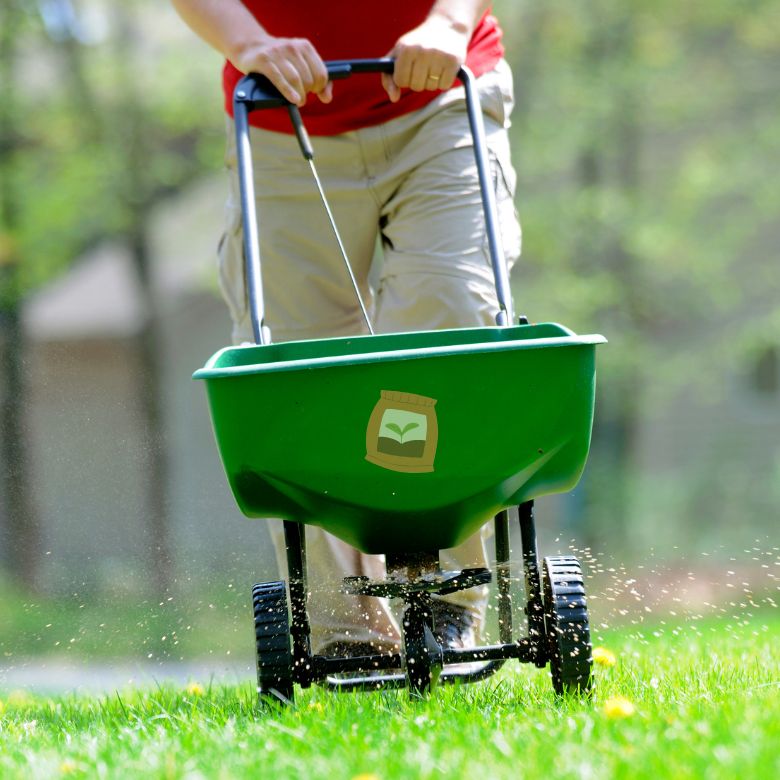
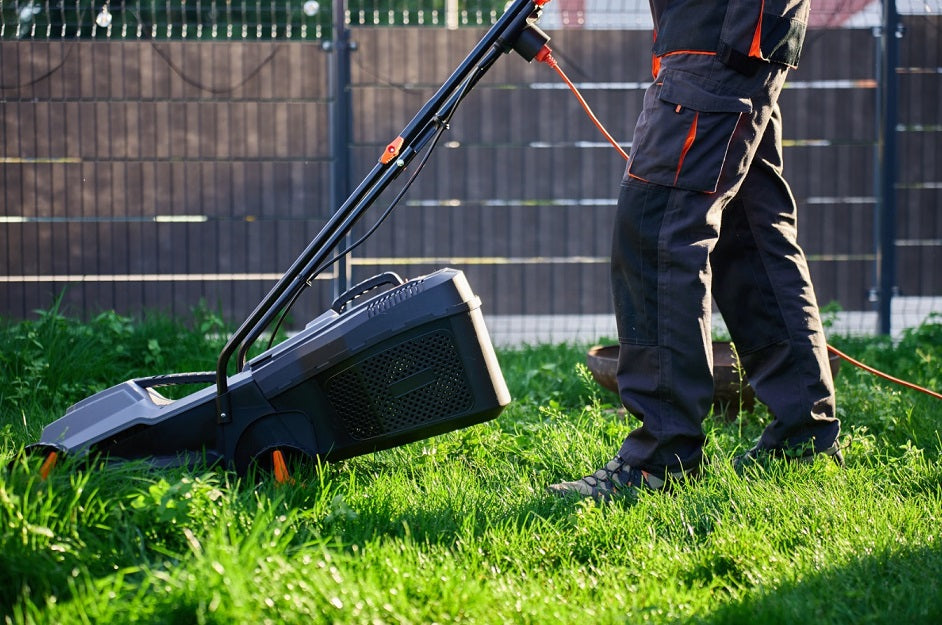
Now, let’s be honest, even a smaller lawn still needs some love. Grass doesn’t mow itself (yet), and whether you're doing it by hand or pushing around a mower every weekend, it eats up time and energy. On average, people spend about 2 hours a week just on lawn care.
So... what’s the smarter way to keep it green without burning through your Saturday mornings?
3. Use Native, Drought-Tolerant Plants for Easy-Care Color
If your goal is to spend as little time as possible on landscaping, native and naturalized plants are your best friends. Since they're already adapted to your local climate, they tend to be more resistant to pests and diseases, and they require far less water, fertilizer, and maintenance than imported species.

For example, if you have a sunny garden with dry soil, lavender or other drought-tolerant perennials will thrive with minimal effort. To find the best varieties for your area, check out your state’s Agricultural Extension Service website, it's a goldmine of region-specific planting advice.
Want an easier way to keep weeds in check? Ground cover plants are a great solution. Take Persicaria bistorta, for instance, it's a low-maintenance ground cover that also adds visual interest. You can also lay down mulch (like bark, gravel, or homemade compost) around and between your plants. Not only does it suppress weeds, but it also helps retain moisture. Just remember: bare soil invites weeds, so fill in those gaps before they do.
4. Add Structure with Low-Growing Evergreens
If you love a clean, polished look but don’t want to spend your weekends pruning and fussing, low-growing evergreens are your go-to solution. Think dwarf boxwoods, creeping juniper, or Japanese holly. These compact, low-maintenance plants stay green all year and rarely need trimming. Use them to line walkways, frame flower beds, or fill those awkward corners near your porch.

Similar as tip#3, add a layer of mulch underneath to lock in moisture and block out weeds. Less watering, zero weeding—what’s not to love?
5. Create Visual Interest with Raised Beds
Got a sloped front yard or an odd-shaped patch of lawn you never know what to do with? Raised beds or rock gardens can turn that “meh” spot into a striking focal point with way less maintenance than you’d think. Raised beds elevate your plants (literally and visually) while saving your back from constant bending. Build yours with wood, metal, or stone, then fill it with hardy, low-fuss plants like lavender, sedum, or ornamental grasses. The result? A neat, layered look that works with your space instead of against it.

6. Install a Smart Irrigation System (and Forget About Watering)
Watering the yard is another kind of a pain except for law mowing. One minute it’s raining for days, the next it’s bone dry and you’re dragging hoses around like it’s a full-time job. If you’re tired of plants dying because you were too busy or just forgot to water, consider installing a smart irrigation system.

With a basic timer or app-connected sprinkler setup (some even sync with your phone), your garden gets exactly the right amount of water, right when it needs it. No overwatering. No crispy leaves. No guilt while you’re at work or away on vacation.
you can also pair it with a rain sensor or a weather-based controller for extra efficiency, If Mother Nature’s already doing the watering, your system takes the day off. Smart, right?
7. Use a Robotic Lawn Mower for Truly Low-Maintenance Grass
Earlier, we talked about using functional hardscaping to replace part of your lawn, but the thing is, whatever lawn you keep still needs regular care. Without consistent upkeep, it’s only a matter of time before weeds and dead patches creep back in.
So how do you keep your remaining grass looking fresh without adding more chores to your weekend? Take a look at Navimow robotic lawn mower for a low-maintenance lawn.

All you need to do is plan for a 20cm-wide path during your initial landscape layout to allow the robot to move around easily, plus install the mower according to the setup guide. After that, just set it up via the Navimow app and it’ll mow the lawn automatically each week.
Here’s how Navimow makes low-maintenance lawn care a reality:
Quick Installation with Advanced Antenna Finder
Unlike traditional robotic mowers that require complex setup, Navimow simplifies the process using its proprietary Advanced Antenna Location Finder. It helps you discover the ideal placement for your antenna and charging dock, offering personalized recommendations for a fast and hassle-free installation.
AI-Assisted Mapping, Wire-Free Setup
With AI-powered Assist Mapping in the Navimow app, setup becomes smarter and easier. The system automatically identifies the edges of your lawn, maps the entire mowing area, and allows you to set up virtual boundaries effortlessly, no physical wires required.
Ultimate Multi-Zone Management
How does it handle multiple patches of grass? The robot lets you easily define separate mowing zones, mark off-limit areas, and create safe paths between zones. Whether you’re working with a complex yard or split-level lawn, mowing becomes highly flexible and fully tailored to your layout.
Customizable, Autonomous Mowing Schedules
Designed for the truly "lazy gardener," Navimow lets you create and automate a mowing schedule directly from the app. Once set, the mower sticks to your routine, so you never have to remember to mow again.
Intelligent Weather Responsiveness
Worried about sudden rain damaging your lawn or your mower? Navimow actively monitors real-time weather forecasts and adjusts its schedule accordingly. If it detects poor weather, it pauses mowing and returns to the charging dock, helping to prevent damage to wet grass and keeping your lawn in top shape.
Smart Home Integration
Yes, Navimow works with Alexa and Google Home too. If you’re already using smart devices at home, Navimow integrates smoothly with them, letting you control your mower with simple voice commands. Now your indoor and outdoor smart systems work seamlessly together.
Bottom Line
Low-maintenance landscaping isn’t just a dream, it’s a smart lifestyle upgrade. By adding some function with hardscaping, choosing native plants, adding structural evergreens, and letting tech like smart irrigation and robotic mowers do the heavy lifting, you can finally enjoy a beautiful yard without the weekend grind.
And when it comes to your lawn maintenance, Navimow can be your secret weapon. With intelligent mapping, multi-zone control, weather-responsive planning, voice assistant integration, and more cutting-edge tech, it's built for modern homeowners who want results without effort. Go check it for yourself!