



Summer's finally here. A time when the days are long, the sun is high, and the sweet smell of freshly cut grass hangs languidly in the air.
For many of us, a lush, green lawn is the centerpiece of summer, an enviable backdrop for barbecues, family games, and quiet evenings spent sitting and watching the fireflies. But keeping that patch of green heaven looking its best when the heat is on can feel like a full-time job, with your beautiful spring lawn quickly turning into a sad, brown, crunchy mess if you're not careful.
The good news is that you don't need a degree in horticulture to achieve a lawn you can be proud of all season long. With a few smart adjustments to your routine, you can help your grass not just survive the summer, but truly thrive. In this guide, we'll walk you through the essential summer lawn care tips to help make your neighbors green with envy (even greener than that gorgeous lawn!).
Watering: Go Deep, Not Daily
While the sun is beating down, your first instinct might be to douse your lawn with water every single day. It seems logical, since more heat means more water.
However, this approach (one of the most misguided summer lawn care tips!) can actually do more harm than good, as frequent, shallow watering encourages your grass to develop a shallow root system. When the roots are close to the surface, they're more vulnerable to heat stress and drought, so your lawn becomes dependent on that daily sprinkle. Miss a day, and it suffers immediately.
The secret to a resilient lawn is deep, infrequent watering. The goal is to train the roots to dig deep into the soil where it's cooler and where moisture is more readily available.

How Much to Water
A good rule of thumb is to give your lawn about one to one and a half inches of water per week, including any rainfall (though, of course, there are some variations here depending on what type of grass you have growing on your lawn).
To measure the rainfall your lawn has received already, an easy trick is to place a few empty tuna cans (or any straight-sided container) on your lawn before you turn on the sprinkler. Time how long it takes to collect an inch of water in the cans (which should be evenly spaced on the yard), and you'll know exactly how long you need to run your sprinkler each time.
For most lawns, this means one to two deep watering sessions per week instead of a little bit every day. This will give the soil time to partially dry out between waterings, which also helps prevent fungal diseases that thrive in constantly damp conditions.

Timing is Everything
When you water is just as important as how much you water. You need to figure out the best time to water grass.
The absolute best time to water your lawn is in the early morning, between 4 A.M. and 10 A.M. The air is cooler at this time, and the wind is usually calmer, which means less water will be lost to evaporation and more will soak down to the roots where it's needed.
In general, watering in the middle of the day is the least efficient option. You can lose a significant amount of water to evaporation before it even hits the ground.
Watering in the evening might seem like a good alternative, but it, too, can create problems. When the grass blades stay wet overnight in the cool, still air, it creates the perfect breeding ground for fungus and other lawn diseases. Waking up to problems like brown patch or dollar spot rearing their ugly heads definitely isn't a great way to start your day.
Mowing for Maximum Health
Put away the super-short crew cut mindset you might have for your lawn! Mowing is one of the most important aspects of summer lawn care, but far too many homeowners fail to get it right. A few small changes can make a big difference.
Raise the Blade
One of the biggest mistakes homeowners make in the summer is cutting the grass too short. You might think you're saving yourself some time, but the reality is that longer grass blades provide more shade for the soil, which helps keep it cool and retain moisture. This shade also helps to crowd out pesky weeds that might be trying to invade your turf.
Longer blades also mean a larger surface area for photosynthesis, which is how the grass creates its food. A healthier, well-fed grass plant is a stronger grass plant, better equipped to handle the stresses of summer. Thus, you can neither go too short nor too long. Learn what is the best height to cut grass.
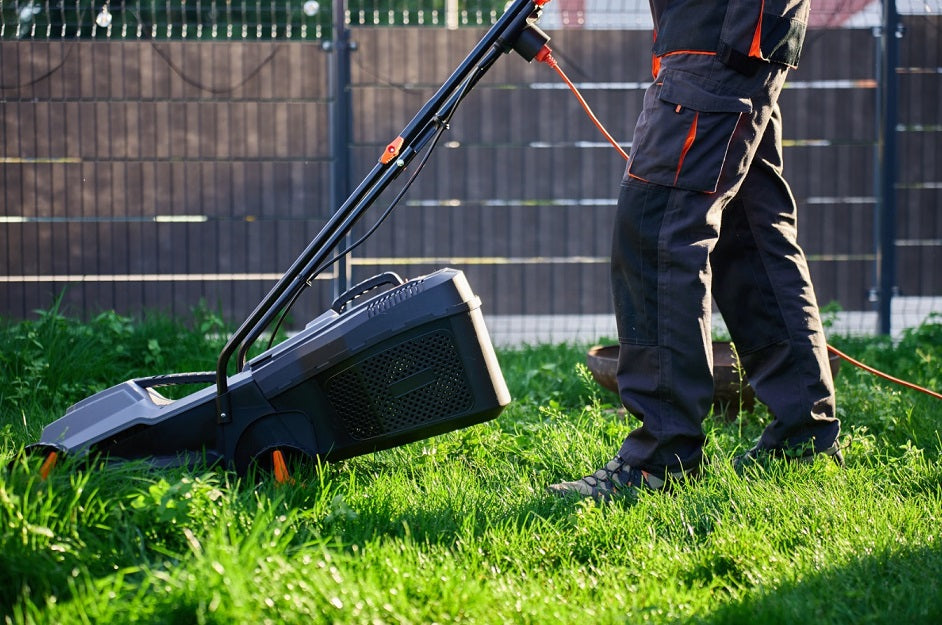
As a general rule, you should raise your mower deck to about three or four inches, and never remove more than one-third of the grass blade in a single mowing.
Keep Your Blades Sharp
Dull mower blades don't cut the grass. They tear it. These ragged tears create a much larger wound on the grass blade, making it more susceptible to disease and causing it to lose more water. The torn, brownish tips can also make your entire lawn look frayed and unhealthy. In contrast, a sharp blade makes a clean, precise cut, which helps the grass heal quickly and maintain its nice green color.

As a result, you should set a goal of sharpening your mower blades at least twice per year, once at the beginning of the season and once mid-summer. If you have a large lawn or notice the quality of your cut declining, you might need to do it more often. Here is a complete guide on how to sharpen lawn mower blades.
To Feed or Not to Feed?
Fertilizing your lawn is wise, but doing it in the summer can be a bit tricky, as applying the wrong kind of fertilizer (or doing it at the wrong time) can burn your lawn, creating ugly brown or yellow patches. Many cool-season grasses, like Kentucky bluegrass and fescue, naturally go dormant during the peak of summer heat, and pushing them to grow with a high-nitrogen fertilizer during this time can stress them out.
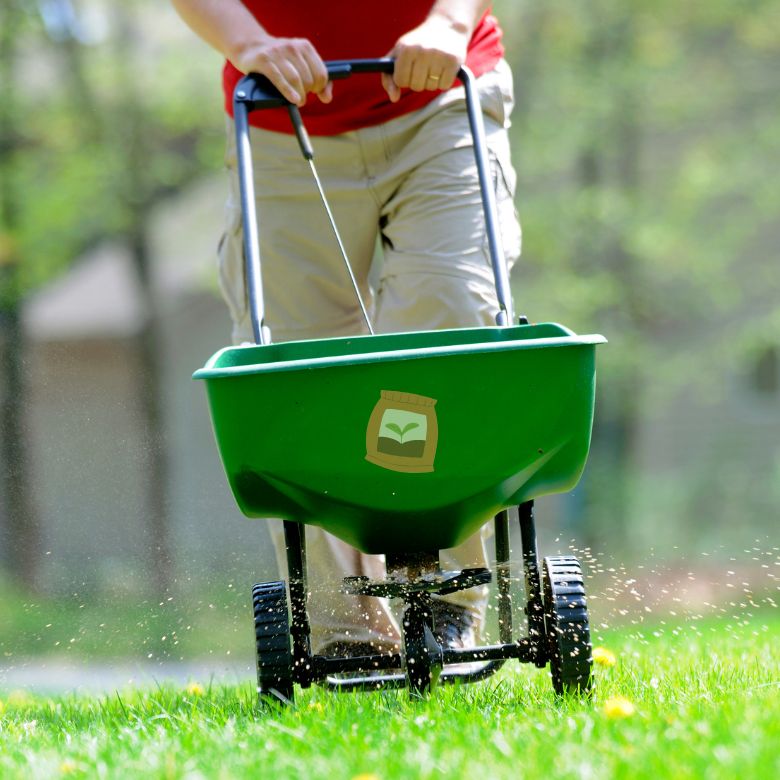
If you have cool-season grasses, the best time to fertilize is in the fall and spring. If you feel you must feed your lawn in the summer, opt for a light application of a slow-release, low-nitrogen formula, or even better, use an organic fertilizer like compost, which nourishes the soil without the risk of burning the grass.
Warm-season grasses, like Bermuda, Zoysia, and St. Augustine, are actively growing in the summer, so they can benefit from fertilization during these months. Just be sure to follow the package directions carefully and water the fertilizer in thoroughly to avoid burning your lawn.

Winning the War on Weeds
A healthy, thick lawn is your number one defense against harmful weeds. When your grass is dense, there's simply no room for weeds like crabgrass and dandelions to gain a foothold, which is why the mowing and watering strategies we've already discussed should be your go-to weapons.
For occasional weeds that still manage to pop up, hand-pulling tends to be the most effective and environmentally friendly option, especially after a good rain when the soil is soft. If you're facing a larger invasion, you might want to consider a post-emergent herbicide, but be very careful when applying chemicals in the summer heat. Many herbicides can damage your grass when temperatures climb above 85°F, so always read the label and apply in the cooler morning hours.
Check out our lawn care calendar to see when and what to do with your lawn.
Managing Pests and Foot Traffic
Summer means more time spent enjoying your lawn, but all that fun can, unfortunately, take a toll. Heavy foot traffic can compact the soil, making it difficult for water, air, and nutrients to reach the roots. If you notice paths forming where people walk most often, try to reroute the traffic, and remember: lawn aeration in the fall can go a long way to relieving compaction.

Also, keep an eye out for signs of insect damage, with grubs being the most common culprit by far. These beetle larvae live in the soil and feast on grass roots, causing large, irregular brown patches that you can often roll back like a carpet.
If you suspect grubs, your best bet is to apply a targeted grub control product. That said, it's worth noting that a healthy lawn can often tolerate a decent grub population, since strong roots can withstand some nibbling. Healthy, adequately watered turf can support a population of five to ten grubs without significant problems.
Lean Into the Future of Lawn Care
Keeping up with all these lawn care tasks can feel overwhelming, especially when you'd rather be relaxing and kicking back with a cold drink. Mowing, in particular, is a constant chore, but fortunately, technology can step in and lend a helping hand.
With a robotic lawn mower, you can get a perfectly manicured lawn every single day, without you having to ever break a sweat.

These smart devices handle the mowing for you, trimming just a tiny amount off the top each day in a "a little, all the time" approach that's fantastic for your lawn's health. It creates tiny clippings (barely visible to you) that fall back into the soil, acting as a natural fertilizer. This process, called mulching, returns valuable nutrients to the earth, providing as much as 25% of your lawn's annual fertilizer needs.
You get a healthier lawn and more free time to actually enjoy your summer. Your lawn gets the nutrients it needs to thrive. Finally, you can sit back and watch your robot do the work while you prep for your next barbecue.
If you're ready to achieve the best-looking lawn on the block this summer, beyond these summer lawn care tips, it's time to let technology handle the hard work. Explore what Navimow has to offer and find the perfect robotic mower for your lawn today!



Share