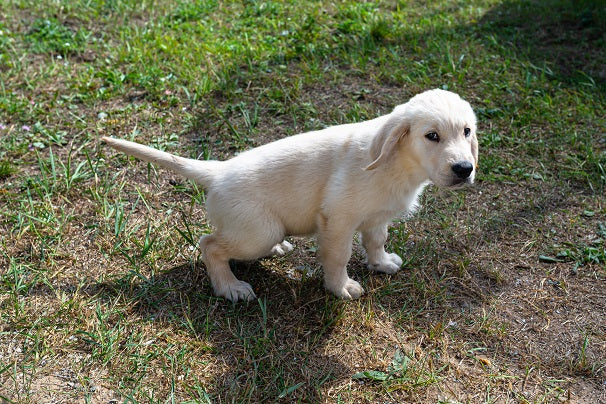
Dog owners often witness dark green, yellow, and brown spots in their lawns. It usually happens because of the dog's urine.
But the question is, what does dog urine do to the grass? Does it kill it? At the same time, lawn owners also need to know how they can fix the affected area on their own.
This article is all about the effects of dog pee on your lawn. Not only will we explain the science behind it and what it does to the lawn, but we will also go through the step-by-step process to fix it. Moreover, we will also share some methods and tips to prevent it from happening again.
Does Dog Pee Kill Grass?
Yes, dog pee can kill the grass.
Wherever a dog pees in your lawn, the color of the grass changes and appears distinct.
Not only the color, but there is a visual pattern, which is called the Halo Effect. The central area where the dog has peed is brown or straw-colored because of a high concentration. This is actually the dead spot.
Following the dead grass, there is a circular ring surrounding it, which has a dark green color. It looks like you have added extra fertilizer to the area. It happens because the pee is in low concentration in that area, and the grass isn't dead.

Why Does Dog Pee Kill Grass?
Now the question is, what's the science behind the dog pee killing the grass? Is it too acidic?
The burning of the grass isn't because of the acidity. It is actually a nitrogen burn. A dog's pee contains a very high level of nitrogen, which is harmful to the turf.
Undoubtedly, nitrogen is an essential macronutrient your grass needs for growth. But if you do it too much, it will burn the grass. It will do more harm than any good.
Your fertilizer also contains nitrogen, but that's much less concentrated. It is evenly spread across the entire yard in a controlled and tiny amount.
The dog empties its bladder on a very small area, which causes the concentration of nitrogen to be tremendously high. The sudden introduction of nitrogen in very high amounts creates a toxic environment for the roots. And the grass can't process that much quantity and dies.
Along with the nitrogen, a dog's urine also contains a high concentration of mineral salts. And it's the main culprit behind the brown color.

Normally, the grass roots have lower moisture compared to the surrounding soil. So, it absorbs water. But when a dog urinates, it reduces water levels and increases nitrogen and salt levels in the soil. Now, the water is drawn from the grass roots to the soil. This reverse process dehydrates the grass in no time, which is why the grass turns brown.
The concentration of nitrogen and salts decreases as you move away from the spot. The dark/bright green ring is the area where the nitrogen concentration is much less than that of the urine spot. That's where the nitrogen acts like a fertilizer. It turns the grass green and promotes its growth.
Factors that Affect the Severity of Damage
A dog's pee doesn't always burn your grass. Sometimes, it just makes the grass greener.
Similarly, sometimes, the pee burns the grass within a day. But it could also take days to kill the grass.
Thus, there are a few factors that govern the severity of damage.
Dog's Gender
Female dogs do more severe damage than male dogs. The reason isn't the nitrogen or any other element in the urine; it's actually the urinating pose.

Female dogs squat to urinate, which is why they empty their bladder on a small spot. It results in quicker grass burning.
In contrast, male dogs lift their legs around vertical surfaces. Thus, the urine isn't concentrated in a single spot. It spreads to a wider area.

Dog Size
The dog's size is directly related to the volume of urine.
The urine volume of large dogs is high, which translates to more nitrogen. Thus, it will affect the grass faster and cause severe damage. Within a day, it will burn the grass.
On the other hand, smaller dog breeds deposit only a few ounces of urine at a time. The nitrogen concentration is low, which usually does not kill the grass. You might notice a dark green area.
The Diet
The diet of your dog is also responsible for the nitrogen content. Basically, the nitrogen in urine comes from protein.
When you feed protein to your dog, the body converts it into amino acids. Then the liver processes them and turns them into urea, which is filtered out by the kidneys through urine. Urea contains a high amount of nitrogen, which damages your lawn.
If your dog has eaten protein-rich food today, the urine will have more nitrogen. However, it does not mean you should lower the amount of protein in your dog's diet. It's not recommended at all.
But if you are feeding too much protein than your dog needs, you could bring it to safe levels by consulting a vet.
How to Fix Dog Urine Burn on the Lawn?
As a dog parent, you will encounter urine burns once in a while, even if your dog is potty-trained. Thus, you should know how to deal with it.
Water the Lawn
As soon as you see a dog urine spot on your lawn, water the area without delay. By doing so, you dilute the high nitrogen concentration. It prevents any further harm as it brings nitrogen levels to a safe point.

Mow the Area
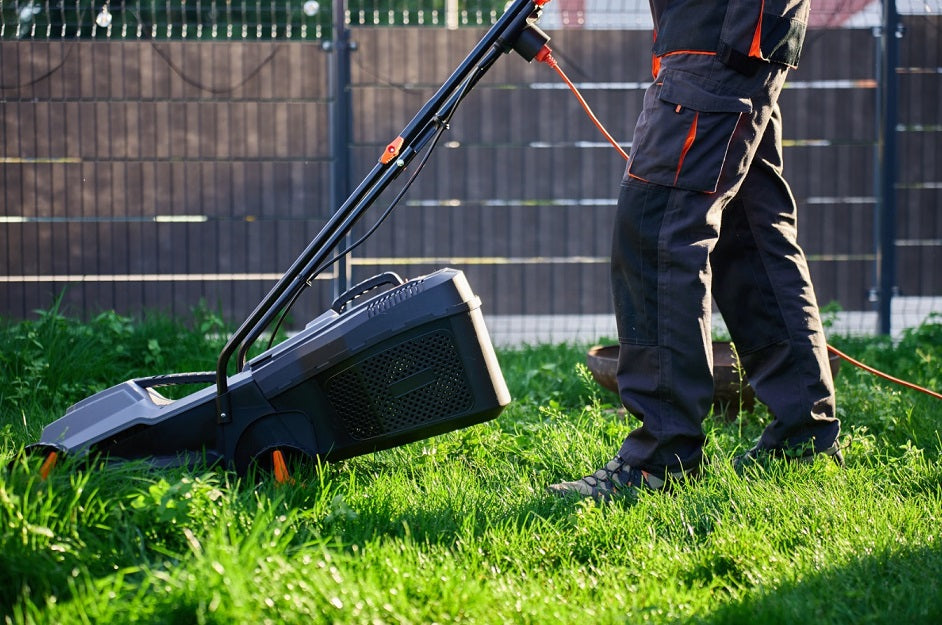
Before you do anything, it is better to mow the area. Short grass allows you to work without any hassle, and it offers better results.
You don't need to mow the whole lawn. Just mow the specific area. However, if you think the whole lawn needs mowing, you can give a nice cut from one corner to the other.
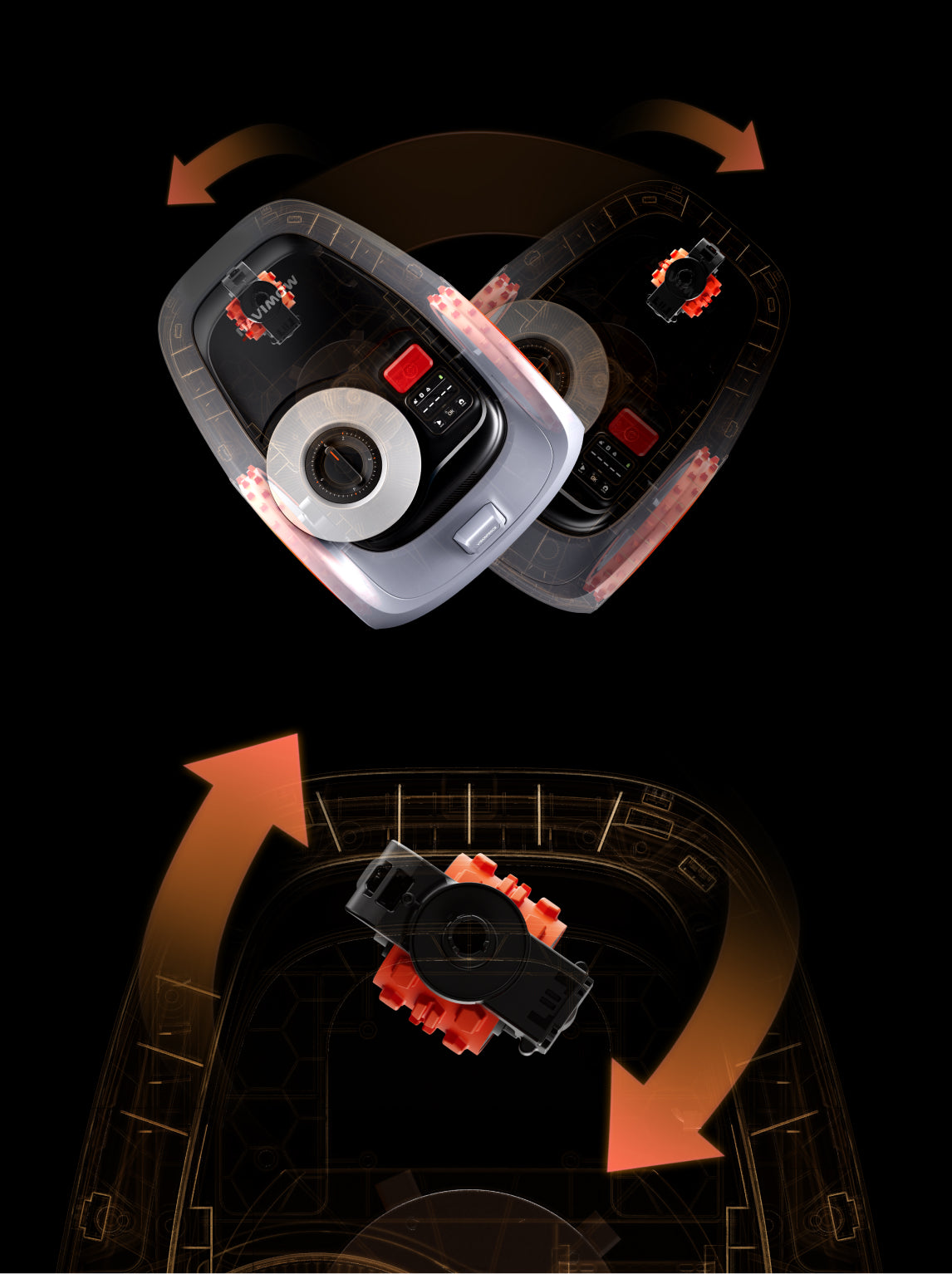
For hassle-free mowing, you can opt for a robot lawn mower. It automatically mows your lawn according to the schedule and desired mowing height. It not only saves you time but also money, as it is a cost-effective option.
If you have a small lawn up to 0.25 acres, you can go with the Navimow i2 AWD series. It's an affordable and compact mower with incredible features. For large lawns, the best option is the Navimow X4 series. It works on uneven terrain, steep slopes, and handles thick and long grass without any hassle.

Get Rid of Dead Grass
The brown grass is actually the dead grass. You have to get rid of it and plant new grass seeds in the soil. Therefore, take a rake and scratch away the dead grass from the area. After raking, you should be able to see the soil.
Do not rake the dark green grass because it's not dead. Leave it as it is.

Prepare the Soil
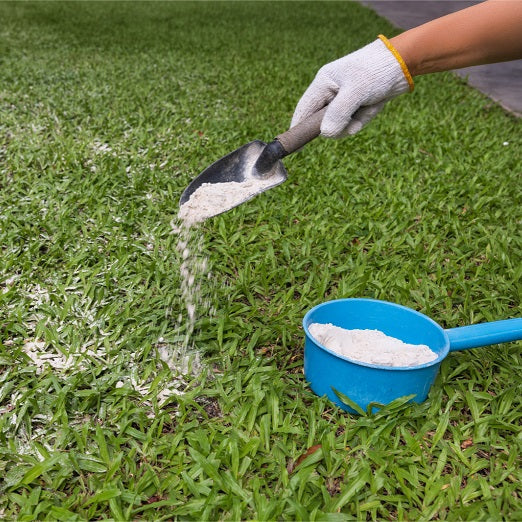
Before seeding, you have to prepare the soil. Water the area again to further reduce the nitrogen concentration. After that, use a rake to soften the soil for better seed-to-soil contact. You may add some compost to provide nutrients and add an extra layer to the soil for better germination.
Reseed the Area
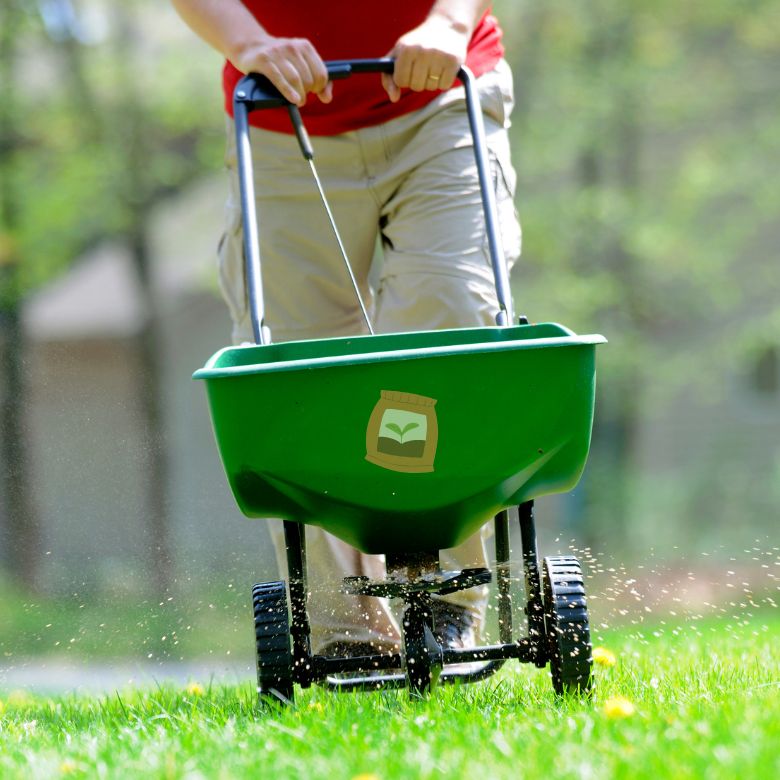
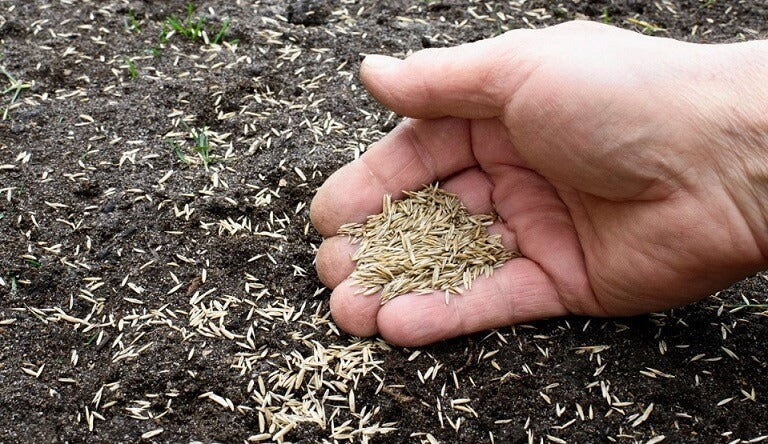
Spread the seeds in the area with your hands. It's better to apply the seeds of the same grass. The seeding rate is also mentioned on the seed bag.
Once you spread the seeds, rake the area to improve the seed-to-soil contact. It will bury the seeds in the soil. Lastly, put a layer of compost.

Keep the Area Moist
After seeding, water the area. It will settle down the topsoil and grass seeds.
You have to make sure the soil stays moist, as it is necessary for germination. Sprinkle water 2-3 times a day to keep the soil moist. You have to do shallow and frequent watering. Do it for a few weeks until the grass blades reach 1-inch height.
Keep in mind that if you miss watering and the soil gets dry, it will kill the seeds. They will not germinate, and you will have to reseed the area.
How to Prevent a Dog from Ruining Your Lawn
Here are a few effective ways to save your lawn from dog pee.
Water Immediately
Even if your dog has peed on your lawn, you should water the area immediately. It will quickly dilute the nitrogen concentration.
By doing so, nitrogen will still be present in the soil, but in a lower amount. It will not burn the grass. Instead, it will act as a fertilizer.
Thus, it is an excellent way to save your grass. But you must do it right away. If you don't act immediately, the nitrogen will burn the grass and turn it brown.

Train Your Dog
The best way to protect your lawn is to train your dog. Designate a specific pee spot, preferably other than your lawn.
Once your dog is properly potty-trained, it will not ruin your lawn. It will reduce the chances of urine burns.
Increase Hydration
By increasing water intake, the nitrogen content in a dog's urine is decreased to some extent. The more water your dog drinks, the better it is for the dog's health, and the less concentrated the urine gets.
Try to give more water to your dog in a water bowl. The second option is giving it food items with high water content.

Final Words
A dog's pee contains a very high amount of nitrogen, which could burn your grass. And once the grass is dead, there is no coming back. You have to remove the dead grass, prepare the soil, and plant new seeds. We have shared the step-by-step process of fixing your grass ruined by a dog. You can easily follow it and keep your lawn lush and green.
But the pee doesn't burn the grass immediately. If you know your dog has peed at any spot, you can save it by watering. It will dilute the nitrogen concentration and prevent any burning. As a dog owner, you should focus on how you can prevent it from happening again. Potty-train your dog and designate a place for your dog to pee.
FAQs
Will grass grow back after dog urine?
If the grass has turned brown, it means it's dead. You need to reseed the area to grow new grass. But if it is yellow, it can be recovered. Water the area well to lower the nitrogen concentration. And if the grass is bright green, the grass is safe. You may water it a bit to reduce nitrogen levels to some extent.
How long does it take for dog pee to ruin grass?
It depends on the nitrogen concentration. If the concentration is too high, it will burn the grass within a day. But if the concentration is a bit low, it might take a few days.
What are the signs of dog pee damage?
The visual sign is a yellow or brown spot, which is surrounded by a bright green circle. The high concentration in the middle burns the grass, while the lower concentration in the surrounding area turns it dark green.
What neutralizes dog urine in your yard?
The best way to neutralize urine in your yard is to water. Water the area well to dilute nitrogen. You may water multiple times.