Is your lawn thinning out, patchy in some places, or not looking as healthy as it used to? Or maybe some areas are green while others are struggling?
You believe that planting grass is the obvious solution. But is it really a matter of spreading soil over the lawn and sprinkling some seed on top?
Not quite. And if you're here, you probably already suspect that too.
This blog thoroughly explains how to plant grass on an existing lawn, covering overseeding, patch repair, and full lawn renovation, so you can pick a method based on your lawn condition.
Assess Your Lawn Condition
Before spreading seed or doing anything to the soil, figure out what your lawn is actually dealing with. Different problems need different fixes, and this step decides everything that comes next.
Lawn is thin but still mostly green: Grass is there, just not dense or even. This usually points to simple thinning and can often be fixed with overseeding.
Scattered bare patches: Some areas have completely lost grass, while others are fine. This is more about targeted patch repair than treating the whole lawn.
Large damaged or weak areas: If big sections look dry or weak, the lawn may need heavier work like renovation rather than quick fixes.
Soil feels hard or compacted: Sometimes, grass is there, but poor soil health blocks growth. In this case, aeration or deeper soil work becomes necessary before planting anything.
Uneven growth: If you keep fixing the lawn but it keeps falling back into poor condition, there's likely an underlying issue with nutrients, watering, or drainage.

Method 1: Overseeding an Existing Lawn
Overseeding works best when you want to introduce fresh grass into areas that have thinned out from foot traffic, drought stress, disease, or simply age. Go for it in case:
- The lawn has 50% or more healthy grass coverage, but lacks density
- The existing grass is healthy, but needs reinforcement
- You're looking to crowd out weeds by filling in sparse areas
It's not the same as reseeding, where you start from bare soil, and it's also different from spot patching, which focuses only on small, isolated areas.
Best Grass Seed Selection
You have two strategic choices here: either match it with your existing grass, if you're happy with it and want a uniform appearance, or switch to a mix.
Mixing different grasses is actually better than planting only one grass type. You can combine the strengths of different grass types to make your lawn more tolerant of traffic, drought, heat, or shade.
Among options, one popular combination is Kentucky bluegrass and fescue. Fescue is more drought-tolerant, and Kentucky bluegrass spreads to fill bare spots and repair damage.

Climatic Consideration for Overseeding
For cool-season grasses like Turf-Type Tall Fescue, Rye, and Kentucky Bluegrass, early fall (Aug to Nov) is the best time to overseed. Warm soil encourages germination, while cooler air temperatures reduce stress on young seedlings.
Overseeding warm-season grasses is not recommended by experts, as they don't respond well to the process. For them, you need to focus on aeration and spot repairs during the growing season.
Also Read: Best Time to Plant a New Seed
Specific variety recommendations
There are special options, you can pick one as per your requirement:
Fast-Growing Grass: Perennial ryegrass is widely regarded as an excellent variety for overseeding because it germinates fast (as low as 15 days).
Durable Grass: Turf-type tall fescue (TTTF) is also worth considering for sunny yards that deal with heat, drought, or heavy foot traffic.
Best for Shade: Fine fescue is a reliable performer in full shade and is one of the most common choices for these types of areas. For more details, check out best grass for shade.

Step-by-step Process for Overseeding
Now that you've selected a grass seed, here's how to overseed (plant grass over existing lawn):
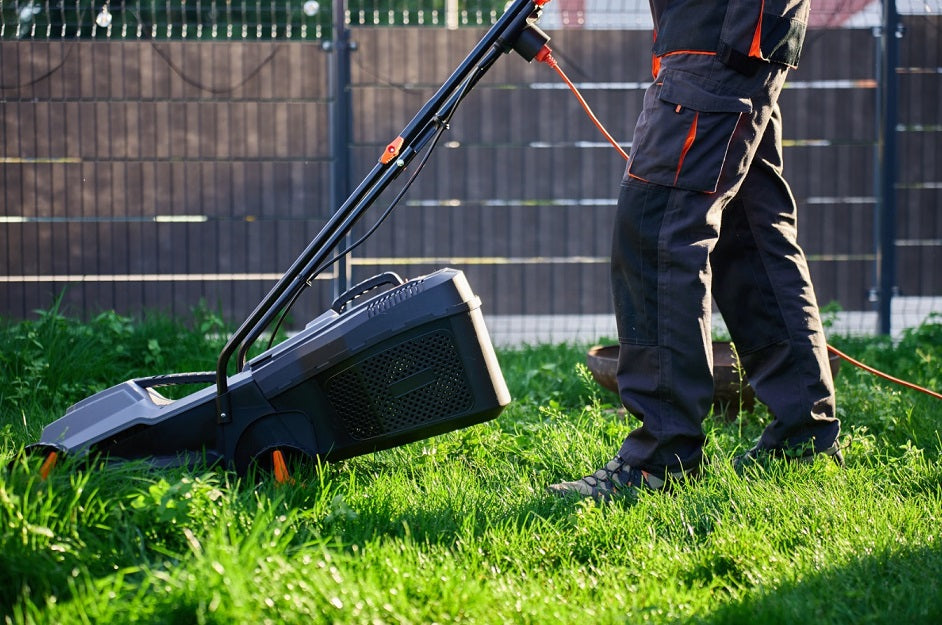
Step 1: Mow Short
The reason for mowing is that existing grass blades can shade new seedlings and prevent them from reaching the soil. Cut your grass down to 1.5 to 2 inches for cool-season grasses. When you mow, bag the grass clippings as you mow so they don't go back into the lawn, where they'll get in the way of the seeds.
The best way to mow is by using a robot lawn mower. It automatically mows the whole lawn. You can schedule it a day or two before overseeding, and it will precisely cut the grass. The best part is that it will finely cut grass tips, so you don't have to bag them. They turn into a natural fertilizer within 24-48 hours and provide essential nutrients to the lawn.
It will also help you keep your lawn perfectly manicured year-round. It improves the lawn's health with regular mowing and decreases the chances of diseases. It also saves you a lot of time, effort, and money.
For small lawns up to 0.25 acres, you can use the Navimow i2 AWD series. If you have a large lawn up to 1.5 acres, the Navimow X4 series is ideal.

Step 2: Rake or Dethatch
Thatch is that spongy layer of dead organic matter between the soil and grass. If it's thicker than half an inch, it blocks seed-to-soil contact. For small lawns, a simple rake works. For larger areas, rent a power dethatcher.
Step 3: Aerate (If Needed)
Most homeowners often skip core aeration, but it can make a lot of difference. A core aerator pulls small plugs of soil from the ground, creating channels where seed falls directly into contact with the earth.
We're not saying you aerate every time, only aerate:
- If you haven't done so in the past year
- Soil feels hard or compacted when you push a screwdriver into it
- Water is pooling on the surface instead of absorbing
Aeration creates small holes in the soil, improves air and water movement, and gives grass seed excellent seed-to-soil contact. You may rent a core aerator (the kind that pulls plugs) from a hardware store or hire a lawn service.

Step 4: Light Topdressing
Lawn top dressing mix is made up of sandy loam or good-quality free-draining topsoil, along with sand and well-rotted organic matter.
Most lawn care experts recommend top dressing first, followed by overseeding as the preferred sequence. The reason for doing it after you top dress is so you don't bury the seed too deeply.
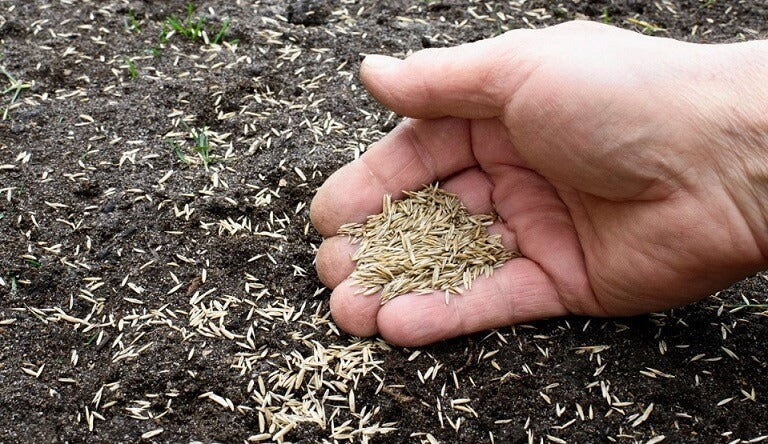
Step 5: Spread Seed
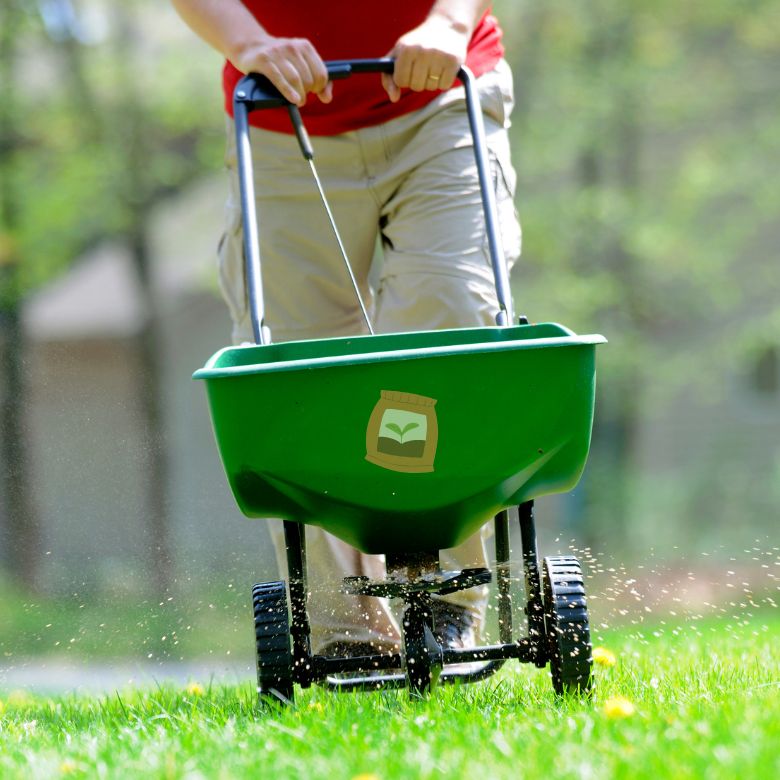
Now comes the actual overseeding part. We recommend using a broadcast spreader for even coverage.
Divide the seed into two parts; apply one-half in one direction (north/south) and the remainder in the opposite direction (east/west). This ensures even coverage.
Follow the seed package's recommended rate for overseeding (usually half the rate for new lawns)
Good seed-to-soil contact is necessary for germination. Tamp the seed down with the back of a rake, or for larger areas, use a water-filled roller to firm the seeds into the soil.
After spreading, lightly rake the seed into the top ¼ inch of the soil to ensure proper seed-to-soil contact.

Step 6: Watering Schedule
New seeds need consistent moisture to germinate. During the first two weeks after overseeding, you'll need to water your lawn 2 to 4 times per day to keep the soil moist. Water in 5- to 10-minute sessions in the morning between 6 a.m. and 10 a.m. Schedule another session in the late afternoon or early evening.
During weeks 2 to 4 after overseeding, you'll want to switch your watering schedule to 1 to 2 times per day, adjusting for longer periods of time.
Once you've reached the 4-week mark after overseeding your lawn, you can go back to watering your lawn normally. At this point, the seeds should have germinated, and the new grass should be established enough to survive on its own.
Related Read: How Often to Water New Grass Seed

Method 2: Repairing Bare or Patchy Areas
Patch repair is your targeted solution when the problem is localized rather than lawn-wide. This method works best when:
- Bare spots are clearly defined (from pet damage, winter salt, foot traffic, or specific incidents)
- The rest of your lawn is healthy and doesn't need attention
- You want quick results
If bare spots cover less than 30% of your total lawn area, patch repair is more efficient than overseeding. If you've got more bare ground than grass, you're looking at full renovation territory (covered in the next section).

Step-by-Step Process
Repairing a lawn is a tedious process since every step can branch into more small tasks if you let it. But it doesn't have to get that complicated. Here's a more streamlined approach to get through it without overthinking every step:
Step 1: Remove Dead Grass
Start with a clean slate. Pull or spot-treat weeds in the bare areas before seeding.
Clean up any dead grass or plant material by raking the area.
For larger damaged sections, remove the grass in the problem area by cutting out a square of sod.
You can read our detailed blog on removing dead grass from the lawn.

Step 2: Loosen Soil
Use a hand rake or garden weasel to loosen the top 1–2 inches of soil. Remove rocks, thatch, or compacted debris so new roots can grow down easily.
You can lightly rake the area to loosen the soil, breaking up any hard or compacted spots so the surface is ready for seeding.
Then, use a small trowel to score the bare soil horizontally, diagonally, and vertically to create channels for seeds.
Moist soil is easier to break up, so soak it a few days beforehand.
Step 3: Add Seed or A New Sod
Now you're ready to plan. You have two options depending on your situation and budget.
Option A: Seeding Method
- Sprinkle compost or topsoil over the section.
- Spread seed at the rate described on the seed's packaging, or you may need to calculate it based on area. You'll need 2-8 pounds per 1,000 square feet for bare patches and 1.5 to 4 pounds (half the rate) where grass is still growing.
- For even coverage on small areas, spread by hand; for larger patches, use a handheld spreader.
- Rake a thin layer of soil over the grass seeds—no more than ¼ inch.
- Use starter fertilizer (high in phosphorus) when spreading seed, as it promotes root growth. Apply 1 pound of nitrogen per 1,000 square feet.
- Cover the freshly-seeded area with a protective layer of mulch. Typical materials used for this purpose are straw, peat moss, or other commercially available products.

Option B: Sod for Instant Results
For immediate coverage of bare spots, lay sod instead of seeding. This works best when you need instant results (events, home showings, or aesthetic urgency) or the patch is in a high-traffic area that can't wait 3-4 weeks for seed to establish.
Here's how you can apply sod patches:
- Cut the sod piece slightly larger than the bare spot
- Ensure the soil level beneath is ½ inch lower than the surrounding grass
- Press the sod firmly into place to eliminate air pockets
- Water immediately and keep moist for 2 weeks until the roots anchor
Sod costs significantly more than seed but eliminates the germination waiting period.
Step 4: Water and Protect
Lightly water the newly seeded areas daily (or as needed, depending on the weather) for at least 2 weeks to keep the top inch of soil consistently moist but not soggy.
In the upcoming 2 weeks, once the grass seedlings develop and start to fill in, gradually increase the amount of water the lawn receives so the top two inches of soil are kept moist.
After the grass reaches mowing height, it's best to water deeply once or twice a week to encourage the grass roots to grow deep in the soil.

Method 3: Lawn Renovation
Generally speaking, you would want to consider a full lawn restoration if the problem areas total about 40% or more of your lawn. Consider renovation when about 30 to 50 percent of the lawn is dead or has very sparse growth.
Step-by-Step Process of Lawn Renovation
Before any lawn renovation, we would suggest that you fix all underlying problems that have caused the lawn to die.
Step 1: Get a Soil Test
Soil tests are the best way to learn what your soil needs. Although the price for these tests varies by state, county, and the type of test you buy, it generally ranges from $10 – $95. Read more about lawn soil testing.

Step 2: Kill Existing Vegetation
Kill the existing vegetation with a non-selective herbicide that contains glyphosate. Wait 10 days for the herbicide to act on the roots. Lawns infested with hard-to-control weeds such as quackgrass and creeping bentgrass may require a second application as new leaf growth occurs.
Step 3: Remove Dead Material
Once all the vegetation on your lawn dies, you will need to remove it. Rakes or dethatching rakes may also be helpful for digging up grass that the mower missed.

Step 4: Amend Soil (If Needed)
Common soil amendments include compost, peat moss, lime, etc. Although fertilizer is usually a good option for everyone, compost can also help to improve your soil's texture and microbiome.
Step 5: Spray Seed or Replace Sod
Select high-quality seed suitable for the location (e.g., Kentucky bluegrass/perennial ryegrass. For seeding or sod applying, follow the same practise as explained in method 1 and method 2, respectively.
Step 6: Water and Wait
Different grass types will take different amounts of time to germinate and grow. On average, germination will happen after ten to fourteen days with adequate moisture.
Conclusion
Planting grass on an existing lawn could involve a lot of different things, depending on what your lawn actually needs. Either you can overseed to thicken up sparse areas, patch repair bare spots, or go for full renovation if the damage is too extensive.
The key is matching the method to your lawn's condition. However, if you keep skipping preparation steps, aerating, loosening soil, or ensuring proper seed-to-soil contact, that leads to disappointing results. Instead, if you take the time to assess what's actually wrong and follow the right process, you'll end up with a thicker, healthier lawn that lasts.
FAQs
Can you just sprinkle grass seed on a lawn?
You can sprinkle grass seed directly on your lawn, but without preparation, results are patchy and short-lived. Most seeds won't grow unless they come into contact with the soil. That's why proper soil preparation (layering topsoil, mowing, raking, and aerating) is necessary.
How to add grass to an existing lawn?
The best way to add grass to an existing lawn is through overseeding: mow the lawn short, rake or dethatch to expose soil, aerate if needed, spread seed evenly, and water 2-4 times daily for the first two weeks.
Is October too late to plant grass?
It depends on your location. In northern states, early October is borderline as soil temperatures drop below the optimal 50–65°F range, but in southern states, October is ideal for overseeding with cool-season grasses. The most important thing is to lay seeds at least 45 days before the first threat of frost to give them time to germinate and grow.
Can I put topsoil over grass and reseed?
Yes, you can put topsoil over grass and reseed as long as you apply only a thin layer of ¼ to ½ inch; any deeper risks suffocating existing grass.