


If you are new to lawn care, knowing how to mow your lawn professionally from the start can make a significant difference in the appearance of your lawn. If you’re a seasoned gardener, but your lawn does not turn out how you expected, then you should pay attention to mowing tips as well. This article tells you how to mow a lawn correctly for a healthy and beautiful lawn.
Choosing the Right Mower
To be successful at something, get the right tool first—which applies to lawn mowing. There are a bunch of lawn mowers for homeowner’s different lawn needs, which is why deciding which to buy could be difficult.
So, take your time to do some research, read reviews, and compare models and brands. How? To make your decision easier, here are some summarized features of the common lawn mowers.
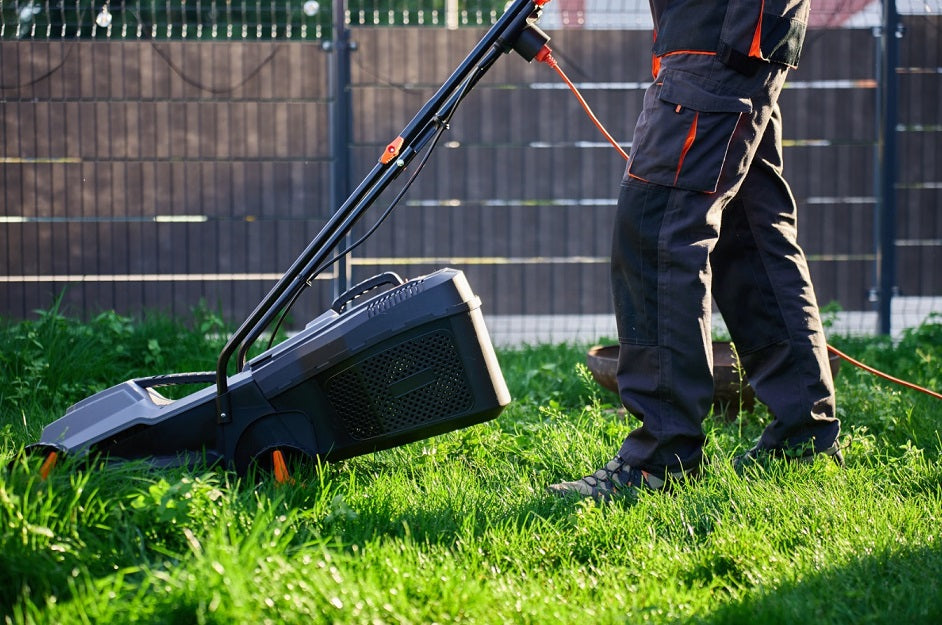
Push mowers: Push mowers are best suited to small, flat and simple lawns, as they require manual labor. They are generally less expensive than other types of mower. Push mowers come in a variety of models, including manual reel mowers, gas-powered mowers and electric push mowers.

Riding lawn mowers: A riding lawn mower is designed for larger properties that take a lot of time to mow, but you can sit and stand on the machine- not a bad way to kill time, is it? Different types of ride-on mowers offer different maneuverability. If your lawn has a lot of obstacles, you should opt for a zero-turn ride-on mower that can be maneuvered flexibly.

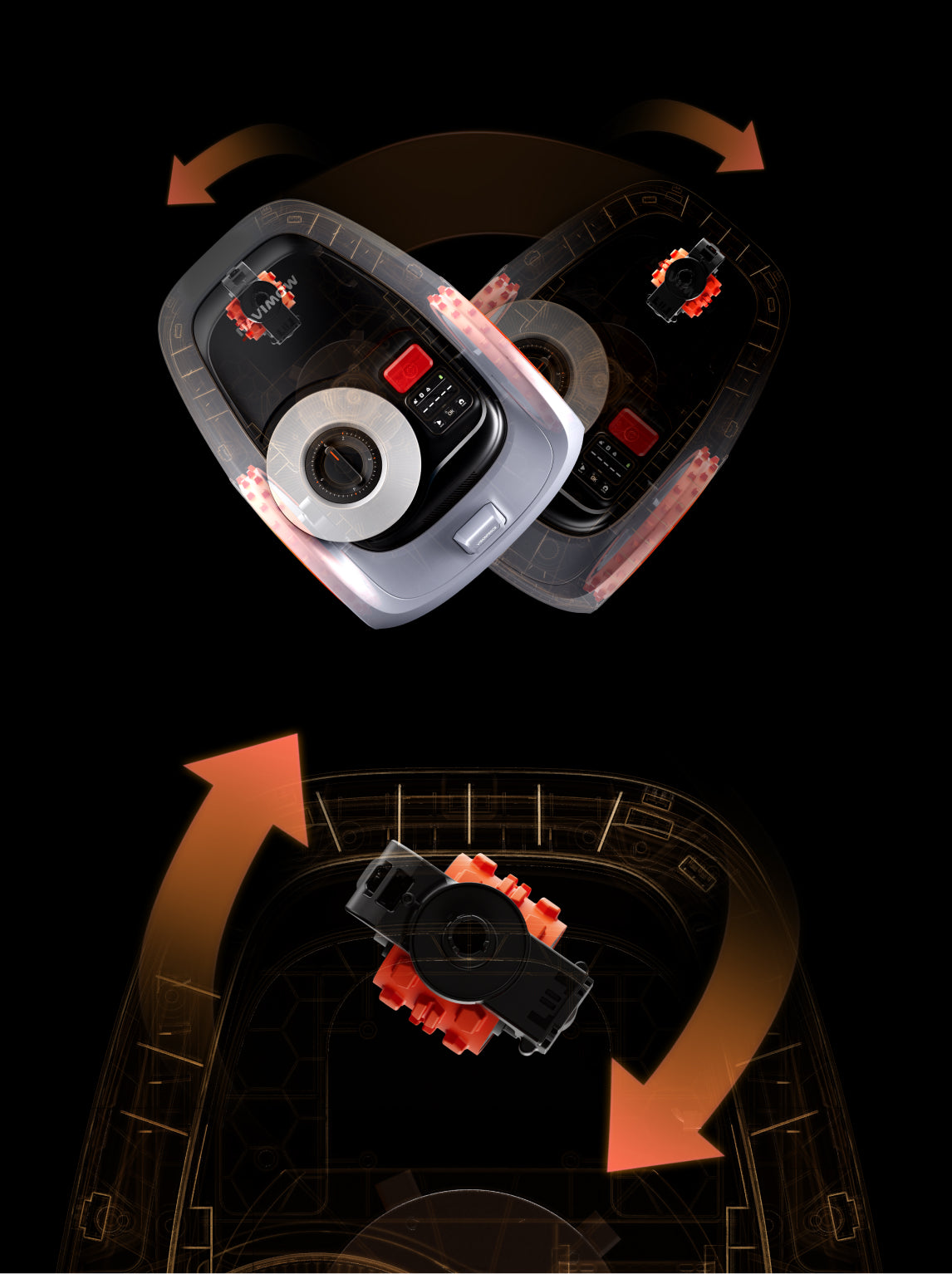
Robotic Lawn Mowers: A robotic lawn mower is an autonomous tool that mows your lawn at a prescribed schedule, freeing you from the hectic and manual task of mowing. It is so convenient that you can control a robotic mower via your smartphone from the comfort of your couch, even when you are on holiday.

Robotic mowers are normally battery-powered, charge on their own thanks to dedicated charging docks - their resting stations. They employ smart technology, including GPS, LiDAR, AI vision, and various sensors, to navigate, plan, and cut.
Navimow robotic mowers are a clear step ahead of most competitors, combining technologies that are rarely seen together in consumer robotic mowers. The lineup includes multiple series, each designed for a specific lawn size and terrain profile.
For smaller lawns in the 0.15 to 0.25-acre range, the Navimow i2 AWD is a focused solution. It features an all-wheel-drive system paired with XeroTurn technology, which allows it to handle slopes of up to 45 percent while maintaining stable traction and turf damage.
A more navigation-focused variant is the Navimow i2 LiDAR. As the name suggests, it uses solid-state LiDAR, scanning roughly 200,000 points per second to build high-resolution maps of the mowing area. This enables precise movement through tight passages, with navigation possible in spaces as narrow as 2.3 feet.

For larger and more demanding lawns, Navimow X4 sits at the top of the range. It carries over the core features of the i Series but adds higher performance, driven by 180 W cutting motors. The X4 can manage slopes up to 84 percent and clear obstacles up to 3 inches high; a better suited for complex terrain and faster coverage.
Preparing Your Lawn and Mower
Now, you’ve got the right tool to mow. But before mowing, you should service your mower and your lawn, so mowing can be really effective.
Check the Mower Condition
Check if the mower blades need sharpening—make it a habit if your mower has been used for some time. Check if the mower is in good condition—there’s no obvious liquid or dirt accumulated on the mower. And make sure the mower has enough power for the mowing cycle. For gas-powered mowers, also ensure that the air filters and spark plugs are in good working order.
Clear the Lawn
First, remove fallen branches, litter or any large items that could damage your mower or pose a hazard. Next, it’s suggested use a rake to remove any accumulated leaves, sticks, or other loose debris from the lawn.
If the lawn is wet, wait for it to dry before mowing. You don’t want overstress the potential risk of mowing wet grass, right? Wait until the grass can stand on its own and the soil does not sink when stepped on.
Best Practices for Mowing
Not every lawn has the same grass type and condition. So not every mowing technique is suitable for your property. That said, there are general rules and proven experience to follow to get mowing done correctly.
Mow at the Right Height
Needless to say, the first thing to set up before starting the mower is to set the cutting height. There’s this one-third rule for lawn mowing that many people find useful and correct—that is, never remove more than one-third of the grass blade’s length in a single mowing session. That said, adjust the height according to your grass condition and seasons. For example, when it’s summertime, leave the grass a bit longer to withstand the heat.
Mow Dry Grass
Again, avoid mowing immediately after rain or when dew is still present as cutting wet grass could not only damage the mower but also damage the grass’s health. Wait for the grass to dry after raining. If you have to mow, for example, the day before a special party, then raise the deck up, sharpen the blades before mowing. And don’t forget to clean the dust and dirt when done.
Create a Mowing Schedule
We all like things to be scheduled, and creating a mowing schedule helps you mow regularly, which in turn helps maintain the grass at its optimal height, encourages deeper roots and distributes sunlight, water, and nutrients evenly for overall health.
If you’re using a robotic lawn mower, for example, and you want it to mow once a week, you can set it up once and the machine will stick to it until you change it, which can be easily operated through the App on your smartphone.
Change the Mowing Pattern
Mowing your lawn in the same direction for too long can lead to soil compaction, ruts, and a patchy lawn, whereas changing mowing patterns will keep the grass more upright, allowing for even growth and a more resilient, nice-looking lawn.
Therefore, it’s suggested to change your mowing direction every time or from one week to the next. Surely, you may change between vertical, horizontal, and diagonal mowing patterns. Suppose you’re willing to put more effort into making a uniquely beautiful garden, in that case, you may explore different patterns like stripes, curves, or checkerboards to add visual interest and a touch of personality.
Mind the Edges
If your lawn features flowerbeds, pathways, or plant areas, make sure to pay attention to the edges. Why? Lawn edging helps create neat, defined borders that keep grass from creeping into these spaces and competing for nutrients. Plus, it can really boost the overall look of your lawn!
On the other hand, a lawn mower, even as smart and capable as a robotic one, probably can’t reach every inch of your lawn, particularly when it has complicated obstacles. So, apart from a mower, you may need a trimmer or edger to define a clean border. Or a blower or rake that helps cleaning the clippings and debris.
Adjust Frequency Based on Seasons
Mowing regularly is important, but it doesn’t mean you have to mow at the same frequency all year round. Generally speaking, grass growth largely depends on temperature, sunlight, and rainfall, that’s to say, you’d better adjust mowing frequency with the seasons to match varying grass growth rates.
Spring is a period for most plants, including grass, to thrive. You may mow more often to keep the grass at its optimal height. And in summer, heat and dry can slow grass growth, particularly for cool-season grasses. Reduce mowing frequency to every 10-14 days.
Fall is another season of strong growth for many grasses, so you may resume a regular mowing schedule, such as mowing every 7-10 days. In cold days, grass growth slows significantly. You may only need to mow once every month or longer.
Lawn Care After Mowing
Mowing a lawn is not a one-time task because grass constantly grows. To ensure your mower lasts and your lawn stays healthy and beautiful, don’t forget to maintain the mower and your lawn after mowing.
Clean Your Mower
The mower will collect moisture, dirt, and clippings each time after mowing. If you leave it uncleaned, the mower might get rusty over time, eventually corroding the machine. Instead, use a cloth to wipe away debris, then use a sprayer to wash the mower and dry it before storing.
Alt: A man is rinsing a lawn mower
Leave Clippings
Grass clippings provide natural fertilizer to help retain soil moisture and improve soil health. Unless your grass is too long, leave the clippings on your lawn. You don’t need to think about how to dispose of them or use chemical fertilizers to promote the grass growth.
FAQ
How do you mow a lawn for beginners?
First, select the right mower by assessing your lawn size and terrain condition and comparing different types of mowers. Second, keep your lawn clear of debris and ensure the mower is sharp and powered. Then you can follow the tips discussed above to mow your lawn.
How much does it cost to mow a lawn?
The cost of mowing a lawn can vary from your lawn size, terrain, location, and added services like edging and trimming. It can go $150 per visit or even higher. You may consult the local providers to get an accurate estimate for your property.
How long does it take to mow a lawn?
It depends on the lawn size, terrain, and the mower you use. Usually one single mowing session may take several hours. Mowing a lawn could be time-consuming and exhausting, this is why a robotic lawn mower is recommended, which can provide autonomous mowing.
Conclusion
By selecting the right mower, properly preparing before mowing, and using proper mowing techniques, you will surely get a healthy and lush lawn. Practice the steps above and observe how your lawn changes. A lawn does not turn green overnight. Be patient. And happy mowing!



Share