Summer is the season when most lawns silently start to fall apart. The grass looks fine in June, then by August it's thin, brown, or barely hanging on. The reason? Heat and drought push grass into survival mode.
But it can be managed. The right watering schedule, mowing height, and a few well-timed practices can keep your lawn ahead of that stress before it becomes visible damage.
This guide covers watering, mowing, fertilizing, soil care, and species selection, with the science behind each recommendation, not just the rules.
Why Grass Struggles in Summer
The core problem is a mismatch between the temperature and the grass's ability to keep up with it.
Cool-season grasses, including Kentucky bluegrass, tall fescue, and perennial ryegrass, grow most actively when air temperatures sit between 65°F and 75°F. Above 85°F, energy consumption through respiration outpaces what photosynthesis can produce, and the plant starts drawing on its reserves.

Underground, things deteriorate faster. Roots of cool-season species grow best when the soil stays between 55°F and 65°F. Push that past 70°F, and root mass can drop by more than half. By the time the surface looks stressed, the root system has often already taken the hit.
Warm-season species like bermudagrass, zoysia, and St. Augustine are better suited to heat, thriving at temperatures between 80°F and 95°F. That said, they run into trouble when water runs short.

Watering: The Highest-Impact Variable
Getting irrigation right in summer matters more than any other practice. You have to essentially focus on two things to get right: how much, and when.
How Much Water Does Your Lawn Need?
Scientists measure lawn water demand using evapotranspiration (ET), which accounts for moisture leaving through both soil evaporation and leaf transpiration. Research on warm-season turfgrass puts daily ET anywhere from 0.1 to 0.4 inches (2.44 to 10.53 mm), depending on where you are and how much sun the lawn gets. Solar radiation drives that number more than grass species do.
It's generally observed that a general target of 1 to 1.5 inches of water per week covers most lawns in moderate climates. In hot, dry regions, that requirement goes up.
When and How to Water
The best time to water the lawn is early morning, between 5 and 10 a.m. Evaporation is lowest, and the canopy dries before evening, reducing disease risk.
You should water deeply and infrequently. One or two deep sessions per week build deeper roots than daily shallow watering.
Avoid evening watering as prolonged leaf wetness overnight promotes fungal disease, particularly Rhizoctonia brown patch. For more details, check how often to water lawn in summer.

Signs of Drought Stress vs. Heat Stress
It's important to distinguish between drought and heat stress because misreading it leads to the wrong fix. Drought stress responds to water. Heat stress doesn't.
Watering a heat-stressed lawn that already has adequate soil moisture can cause root suffocation and increase disease pressure. Identifying which one you're dealing with first saves you from making things worse.
|
Symptom |
Drought Stress |
Heat Stress |
|
Leaf color |
Bluish-gray, then yellow |
Dull green, then tan |
|
Footprint recovery |
Slow or none |
Faster early on |
|
Soil feel |
Dry, hard |
May still be moist |
If footprints stay visible after you walk across the lawn, the grass is wilting. Water that day.

Mowing Height: More Important Than People Think
Mowing height directly affects root depth, soil temperature, and water loss. To protect the lawn, it needs to be raised in summer.
For cool-season grasses, aim for 3.5 to 4 inches. For warm-season grasses, 2 to 2.5 inches is generally appropriate depending on species.
Why taller grass helps
- Shades the soil surface, keeping root-zone temperatures lower
- Reduces evaporative water loss from the soil
- Maintains more leaf area for photosynthesis during heat stress
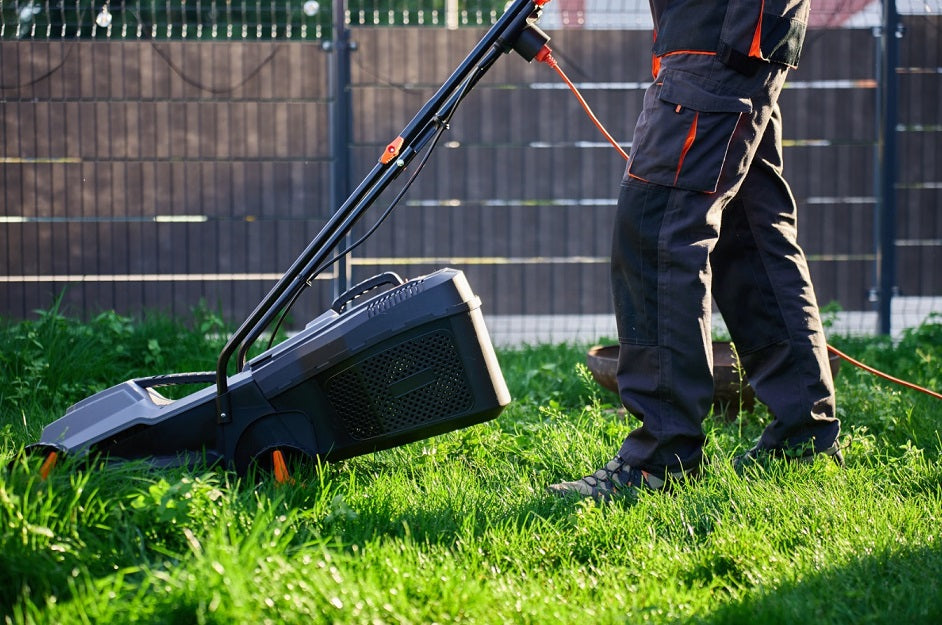
Having said that, the one-third rule of cutting grass applies year-round. Never remove more than one-third of the blade in a single cut. Cutting too low in summer forces the plant to redirect energy from roots to regrowth at exactly the wrong time.
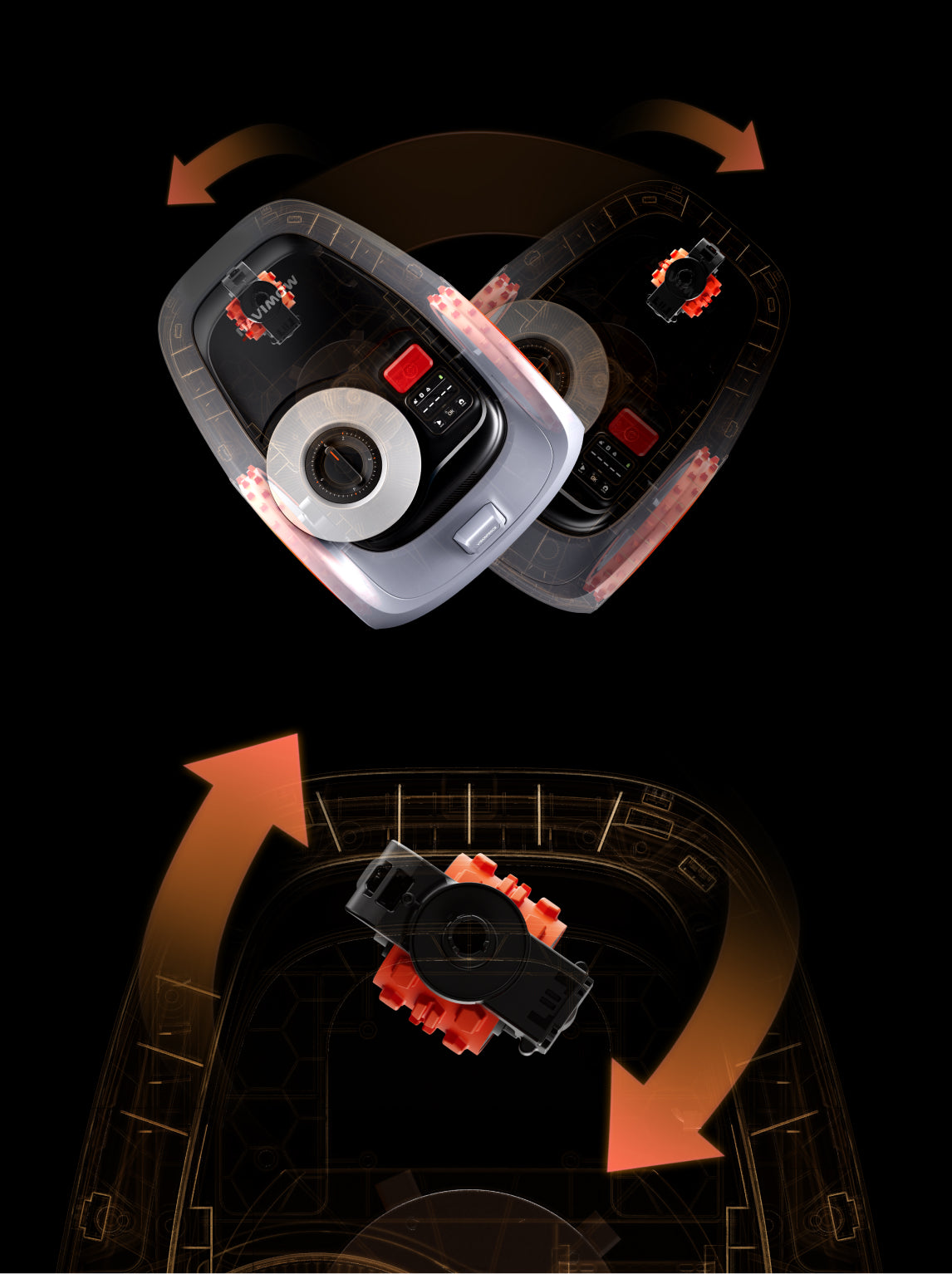
We know mowing can feel like a chore, and doing it manually with any consistency is a real challenge. That's where robotic lawn mowers come in. They cut frequently in small amounts, which naturally keeps within the one-third rule without any extra effort on your part. Once configured, they autonomously navigate your lawn on a set schedule, handling the frequency for you.

Fertilization: Timing Is Everything
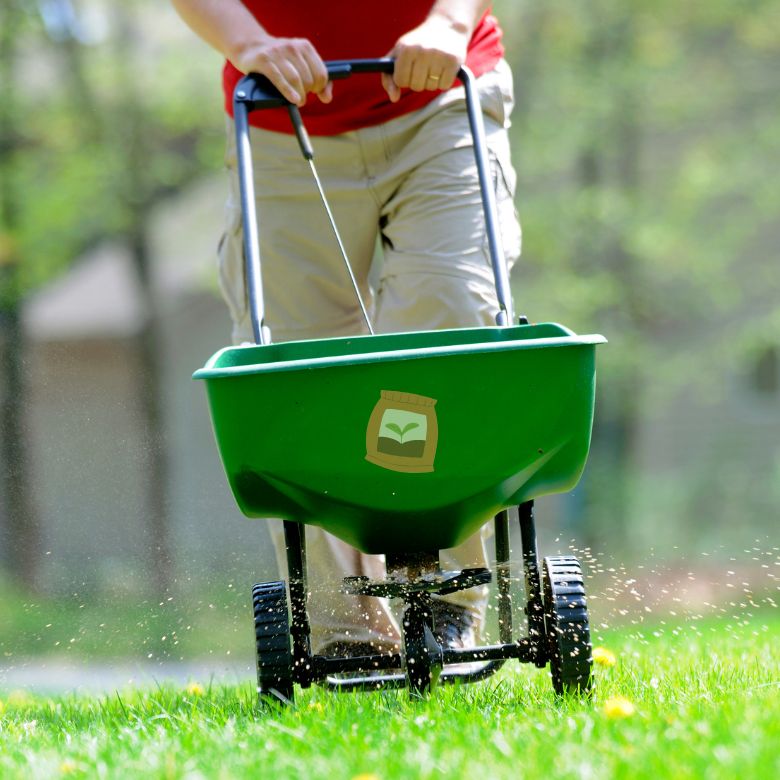
Summer fertilization may help or harm, depending on when and what you apply. Grass type determines the window.
Cool-season grasses: Do not fertilize during peak summer heat. If your lawn needs feeding, apply between late May and early June, before air temperatures consistently exceed 85°F. High nitrogen inputs during heat increase respiration demand and raise the risk of fertilizer burn.
Warm-season grasses: These are actively growing in summer and can handle fertilization from late spring through midsummer. Stop applications by late August to avoid pushing tender growth before fall dormancy.
Next comes the question of choosing the fertilizer, what type/s should you use? Slow-release nitrogen reduces burn risk and provides more even feeding. Potassium improves heat tolerance, drought resistance, and root strength. Lawn soil testing will tell you if your lawn is deficient. Avoid quick-release fertilizers during periods of high heat and humidity.
Further reading: Can I fertilize my lawn in summer?

Soil and Root Management
Summer stress hits hardest in compacted or depleted soil. So, you need to do some preparation before summer arrives.
Aeration
When soil compacts, water sits on the surface instead of reaching the roots, gas exchange drops off, and root development slows. All three of those problems get worse in summer.
Core aeration done in spring for cool-season lawns, or just before peak summer heat for warm-season types, opens the soil back up and lets irrigation actually do its job.
If you aerate in spring before summer stress sets in, your lawn enters the hot months with a better root foundation.

Topdressing
A light topdressing of compost after aeration improves soil organic matter, which supports water retention and microbial activity. It won't fix a severely compacted or depleted lawn quickly, but over two to three seasons, it makes a measurable difference.
Dormancy: When to Stop Fighting It
Not every lawn needs to stay green all summer, and understanding dormancy helps you make a deliberate choice rather than a reactive one.
When soil temperatures climb and moisture drops, cool-season grasses slow down, stop growing, and go brown. That's dormancy, and it's the plant protecting itself, not dying. Growth pauses, but the crown stays alive underground.
If you let your lawn go dormant:
- Keep the crowns hydrated with around 0.5 inches of water every two weeks
- Stay off the lawn as much as possible; dormant grass tears and compresses more easily
- Watch for weeds and disease; they move in quickly when turf thins out
If you want to maintain green color through summer, commit to consistent irrigation. Half-measures, such as occasional deep watering followed by dry spells, actually stress the lawn more than letting it go fully dormant.

Choosing the Right Grass for Summer Performance
Sometimes, even if you follow all the right practices, the lawn still struggles. Then, the grass species may be part of the problem. Match the grass to your climate, not the other way around.
Cool-season species and heat tolerance
Among cool-season options, Kentucky bluegrass and tall fescue hold up better in heat than hard fescue or sheep fescue, which are the least tolerant.
Tall fescue roots deeper than most cool-season grasses, which gives it a practical edge during dry stretches
In transition zones, mixing heat-tolerant tall fescue cultivars into the lawn outperforms planting a single species.
Warm-season species for hot climates
Bermudagrass, zoysia, and buffalo grass handle summer heat with lower water needs. Optimal growth range is 80°F to 95°F; these grasses are built for the conditions that damage cool-season turf.
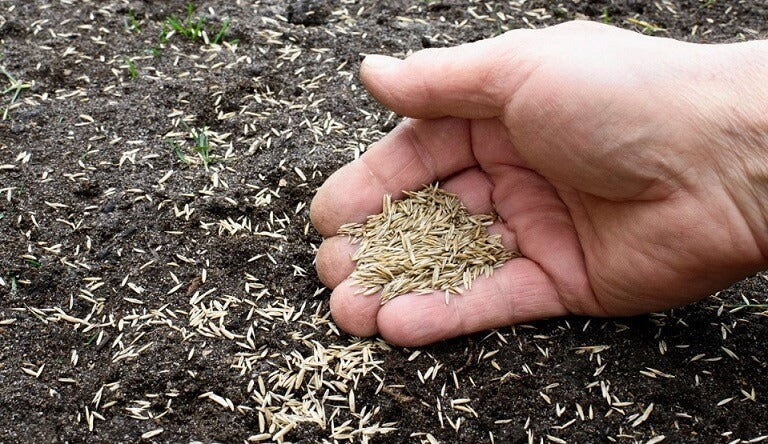
If you're in a climate with long, hot summers and running cool-season grass, you can perform overseeding with a more heat-tolerant cultivar over time rather than doing a full renovation.
Pest and Disease Watch in Summer
Summer heat and moisture create conditions for specific problems. A few show up regularly and are worth knowing before they spread.
Rhizoctonia brown patch: Circular brown patches, often with a darker ring. Most common in humid conditions above 85°F, practically on cool-season grasses fertilized with quick-release nitrogen.
Chinch bugs: Damage looks like irregular drought stress that doesn't respond to watering. Most active in hot, dry weather on warm-season lawns.
Grubs: Feeding on roots from late summer onward. Spongy turf that pulls up easily is a sign. Control windows are narrow; check your region's timing.
If your lawn has a history of brown patch, we suggest preventative fungicide applications between May and August because reactive treatment after visible damage is less effective.

Summer Lawn Care by Month
Finally, here's a summarized lawn care plan on what you need to do in specific months to keep the lawn green throughout the summer:
|
Month |
Cool-Season |
Warm-Season |
|
June |
Final fertilization window, raise mower height |
Fertilize, irrigate based on ET |
|
July |
Deep watering only, no fertilizer |
Maintain irrigation, watch for chinch bugs |
|
August |
Monitor for grubs, minimal intervention |
Last fertilization window, watch the disease |
|
September |
Resume fertilization as temps drop |
Reduce nitrogen, prep for dormancy |
Final Thoughts
Most summer lawn problems trace back to decisions made in spring: mowing too low, fertilizing too late, or skipping aeration. Summer itself leaves little room to correct those mistakes.
If you get the fundamentals right early and match your care routine to your grass type, the lawn will handle the heat with a lot less intervention from you.