



Every lawn owner is eager to get rid of those bald patches and make the lawn lush and green from every corner. But you can’t just grab grass seeds and plant them whenever you want.
Beginners often don’t know the right time to plant grass seed, and they plant whenever they witness a patch or discolored area. That’s the reason all their effort goes to waste.
If you want the grass seeds to germinate and turn into healthy grass, you need to know the best time to plant grass seed. The time that favors seed germination and grass growth.
And that’s what we will be discussing in this article. We will discuss when you should plant grass seeds for different types of grasses and things to take care of. After reading the article, you’ll be able to plant the grass seeds in the right period and get incredible results.
Best Time to Plant Cool-season Grasses
Cool-season grasses actively grow in lower temperatures. The temperature should be between 60⁰F and 75⁰F. This is an excellent time not only for the grass’s growth but also for seeding.
The Primary Window
The primary window for cool-season grasses is the late summer and early fall. You can aim for the end of August and the month of September.
Cool-season grasses do not grow in summer as they enter the dormant state. They survive high temperatures through plenty of watering and taller grass.
August is the end of the summer season. But the grass is still under heat stress. However, this is the ideal month to prepare for seeding. You can lightly rake and dethatch your lawn to make it ready for overseeding.
By the end of the month, the grass prepares itself to recover and enters the growth stage. It’s a favorable time for seeding because the soil is still warm, and it is suitable for seed germination. The warmth of the ground increases the germination speed, so you can start seeding your lawn by the end of August and the start of September. The roots establish quickly and deeply and create a strong foundation.

Apart from that, September is a bit cooler. The cool air reduces the temperature and helps young sprouts to grow without drying out. The grass actively grows rather than putting its energy into surviving through intense heat.
You also expect moderate rain, which mostly covers the water needed for the seeds. Thus, you don’t have to turn on your sprinklers often or water manually. If you are wondering the exact amount of water, check out how long to water grass seed and how often to water grass seed.
Another benefit of this period is reduced weed growth. It’s almost the end of the weed cycle, so they go dormant or die. You don’t have to do anything to reduce their growth. And when their space is empty, you can seed those areas with new grass seeds.
This is the golden period for planting cool-season grass seed in your lawn. You should aim for as early as possible so that you can have better growth before winter comes. Ideally, you should be able to mow your lawn at least 3-4 times before winter.
The Secondary Window
If you missed seeding in the primary window for any reason, you’ve got a secondary window. It is not the best time, but you can still do it with extra care. There are some challenges you need to face.
The secondary window is early spring. The grass in your lawn wakes up from the winter dormancy, and now, it is ready to grow. That’s why you can plant seeds.
The air temperature in the season is between 60⁰F and 75⁰F, which is favorable for cool-season grasses. It’s a moderate temperature, better than the winter cold and summer heat.
The light rain promotes germination by keeping the seeds moist. The air is also humid, so there are almost no chances of getting the soil completely dry. Secondly, during the day, there is enough sunlight to promote photosynthesis. The grass can fulfill its energy requirements and grow better.

Along with these benefits, there are some challenges you need to face.
The first thing is the weed growth. It’s also a favorable time for the crabgrass to grow. It grows actively along with your grass. You might think about using an herbicide, but keep in mind that it’s harmful to the grass seeds. Instead, spend on a starter fertilizer with Mesotrione to prevent weed growth and promote seed germination.
Spring is known for both heavy rain and sometimes bone-dry weather. The weather is unpredictable. If there is too much rain, it will wash the seeds and fertilizer away. Secondly, it will make your lawn muddy and will make the soil compact.
Sometimes, the air temperature in spring, especially in early spring, is not high enough to be favorable for grass seed germination. You cannot just start at any time. Instead, you have to wait until the soil temperature is about 55⁰F.
If you are thinking about planting cool-season grass seed in spring, make sure to do it when the soil temperature is 55⁰F. Cover the seeds with a thin layer of straw mulch. It will keep the seeds in place even if there is heavy rain. You also have to pay close attention to watering to save your grass from the scorching heat at the end of spring. Learn how long to water grass to know the adequate amount.
Best Time to Plant Warm-season Grasses
Warm-season grasses need heat for active growth. That’s the reason Summer is the perfect season for planting new seeds. But even in this season, there is a primary and secondary window.
The Primary Window
The primary window for planting grass seeds of warm-season grasses is the late spring or early summer. You can start in late May or June.
This is the best time because the soil temperature remains consistently high around 70⁰F to 75⁰F. It’s the ideal temperature for seed germination. If you do it earlier in low temperatures, the seed will be there in the damp soil for a long time and start to rot over time. For warm-season grasses, high temperature is extremely important.
You might think the warmth in the day is enough. But these grass seeds also require high temperatures at night. The nighttime air temperature should be around 60⁰F. The primary window provides the adequate temperatures the seeds need all day, which is why it is the perfect time.
During the early summer period, these grasses get the heat they need. That’s why they can produce the required energy. It promotes root development, and the grass also grows and spreads quickly in the lawn. It can even fill the bare spots around.
The season also witnesses high humidity, which is great for the grass. The new grass blades remain moist over time. It doesn’t lose too much water due to evaporation.

Before the summer starts, you can start preparing for the seeding. You must be ready to plant seeds in the early summer. The earlier you do, the better it is. Because the grass will have three months for active growth, which is enough to ensure its survival in the fall and winter.
The Secondary Window
This is the backup window, and you can plant warm-season grass seeds with confidence. All it needs is some extra care.
The mid-summer is another excellent time. The reason is the high temperature. These grass seeds need only a few days to sprout when the temperature is above 75⁰. You will see the results within a week.
The accelerated germination is definitely a good option for rapid expansion. You can quickly cover every part of the lawn. For lawn owners who struggle with patches, this is an ideal time. The grass can produce enough energy in the intense heat and quickly grow and fill up the patches.

You also need to face some challenges in this period.
The primary challenge is the evaporation of water due to intense heat. The scorching sunlight quickly dries out the soil surface. If there is no moisture left, the seed will be exposed to extreme heat and eventually die.
It’s necessary to ensure there is enough moisture in the soil. You need to water several times a day properly for the first 14 days. Deep watering once a day is not enough. For consistent watering, you can opt for an automated system.
Another issue with mid-summer plantation is the excessive weed growth. Weeds like Nutsedge and Spurge grow at an extremely fast rate, so controlling them is a bit difficult. And on top of that, you can’t use weed killers on new grass seeds and recently grown grass. The only way of handling weeds in this situation is manual picking. You have to get rid of weeds manually until the grass is strong enough to bear weed killers.
If you are planning to plant grass seed in mid-summer, just make sure to water well. Secondly, use a seed cover, such as peat moss or a seed-start blanket, to keep the moisture for a long time.
What Else You Need to Know Before Planting Grass Seed
Now, you know the best time to plant grass seed. But that’s not enough. There are many things you should know and be careful about. Otherwise, you’ll never see good results after seeding.
Rain Forecast
Before seeding, check the rain forecast. If there is heavy rain expected, it’s better to wait and let it go.
Light rain is definitely beneficial for the seeds as it keeps the soil moist. However, heavy downpours are dangerous. It can wash away the grass seeds you have planted. You will be left with bare patches and clumped grass.
If there is no heavy rain during the first 10-14 days, you are good to go. You can plant seeds without any worries.
Soil Test
Before you start planting new seeds, it’s better to test the soil and make sure it’s ready for new growth.
Check the soil pH level. It should neither be too acidic nor too alkaline. It prevents the absorption of nutrients needed for seed germination and new grass growth. Even if you add fertilizer, it will be of no use.
The pH should be between 6.0 and 7.0, which is slightly acidic. If the soil is too acidic, you need to add some base, such as lime, to increase the pH. If it is too alkaline, you can add sulfur to reduce it.

You also need to check the soil temperature, which is exceptionally important. You need to ensure the soil has a consistent temperature within the favorable range, according to the cool and warm-season grasses. If the temperature is not favorable, you should wait.
Last but not least is the soil compact. If the soil is too compact, it won’t allow air, water, and nutrient exchange. The grass seed will not be able to get what it needs. In this case, you need to do lawn aeration before planting the seeds. The aerated soil will have open pores to take seeds in.
Starter Fertilizer
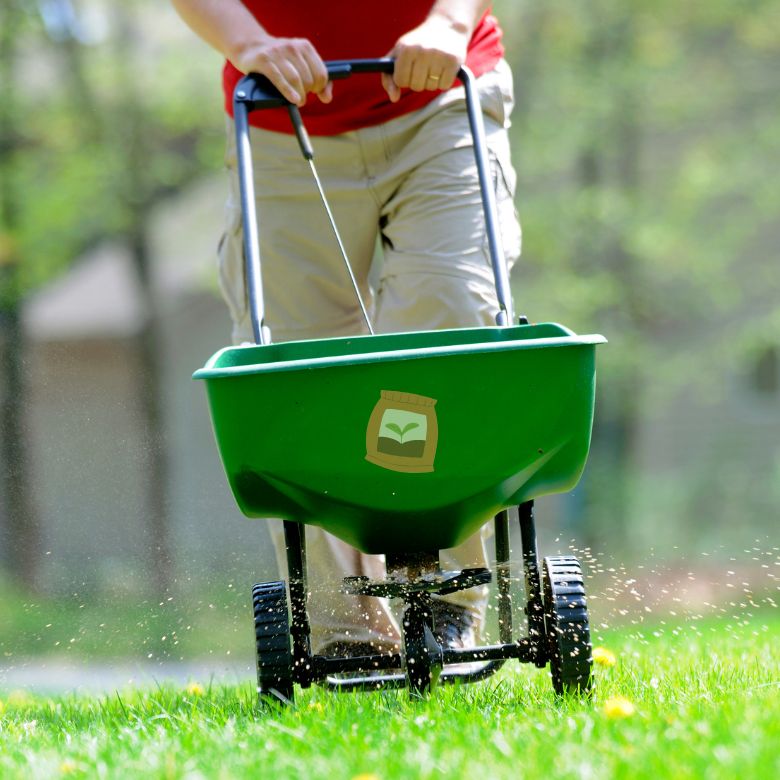
If you want to increase the chances of good results, it’s better to use a starter fertilizer. It’s totally safe for your lawn and promotes healthy growth by providing enough nutrients the sprouts and new grass need.
These starter fertilizers are high in phosphorus. They help the seeds germinate and promote root growth. You can introduce a starter fertilizer to your lawn after planting new seeds.

Watering
Watering is exceptionally important for grass seeds. No matter what, you have to ensure that the seeds never go dry. Otherwise, they will die.
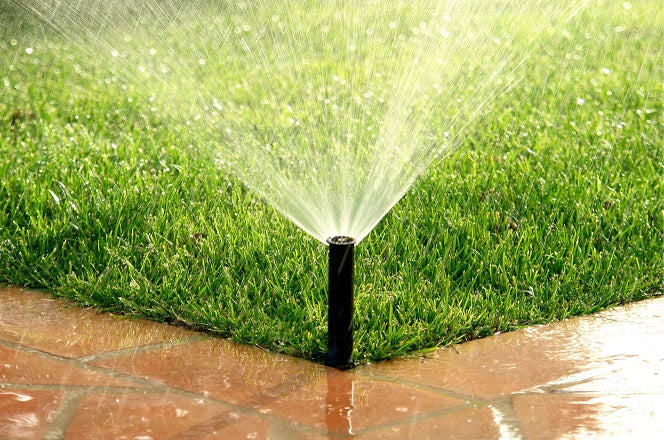
You have to keep the soil moist. For this, you need to water more than the regular watering. For the first 14 days, water 2-3 times a day for 10 minutes, or depending on the lawn. You can accurately calculate by looking at our detailed guide how long to water new grass seed.
Make sure the soil stays damp. The grass will start to grow, and once it is 1 inch tall, you can water it once a day. For that, check out how long to water grass.

Mowing
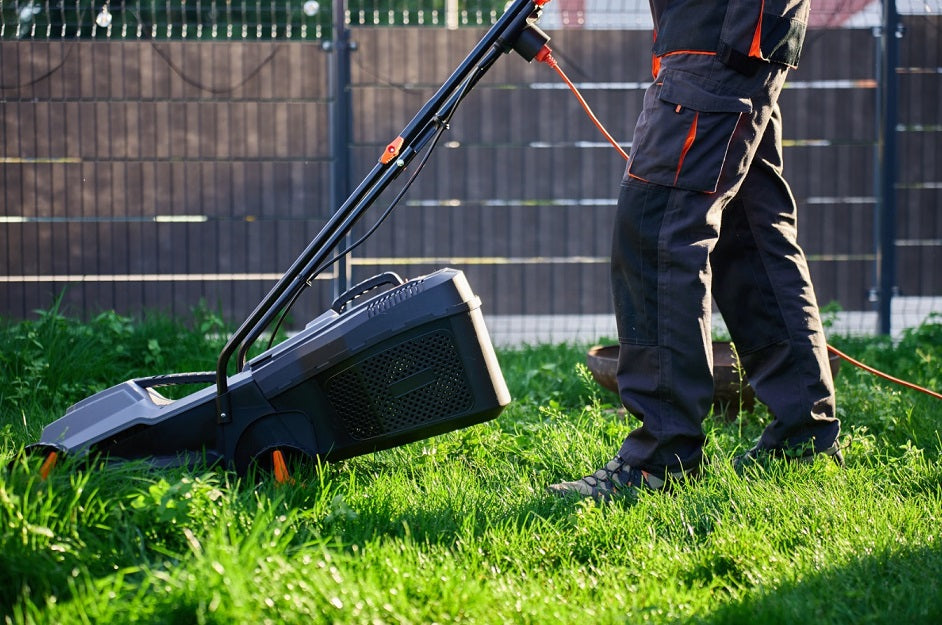
Before planting new seeds, it’s better to mow the lawn. It will help you get rid of existing weeds. You should mow your grass short. It will allow the grass seed to reach the soil and germinate better. Secondly, it will allow the sunlight to reach the soil and get enough warmth it needs. Check our grass cutting height chart to know the right height for mowing.
Once the grass starts to grow, you also need to take care of its height. For the first time, wait until the grass reaches 3 to 4 inches. Then, you are ready to mow the grass.
Always follow the one-third rule for mowing. It ensures you do not cut too much and put your lawn under stress. After the first mow, you can regularly mow the lawn to maintain the optimal height and keep your lawn healthy.
People usually struggle with mowing. Most lawn owners don’t have the time to cut grass during the week, and they can only do it during the weekend. That’s why they often miss the right time to cut the grass.
The best way to maintain your grass is to get a robotic lawn mower. It puts lawn mowing on automation. You just need to set the schedule, and it automatically mows your lawn at the right time. You can set the grass cutting height, and it mows the lawn, edges, flowerbeds, and everything precisely.

Final Words
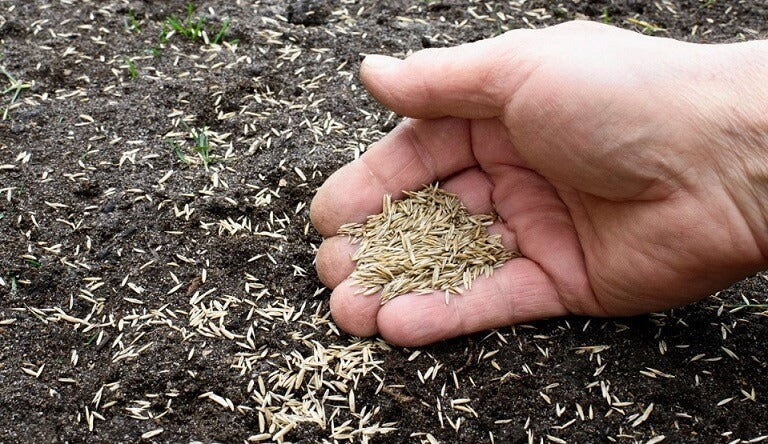
Grass seeds can’t grow year-round. There is a limited period when they actively grow and make your lawn green. What you need to do is determine the best time to plant grass seed according to the grass type you have. We have shared the season and months you can target and how you can ensure excellent results.
Prepare your lawn for seeding before the primary window, check the soil/air temperature, pH, soil compaction, and other things. Finally, mow the lawn and plant the grass seeds. Now, all you need to do is ensure moisture in the soil. With these simple steps, you are most likely to see a lush, green lawn within 4-6 weeks.
FAQs
What month is best to put grass seed down?
For cool-season grasses, the best months are the end of August and the beginning of September. For warm-season grasses, the best months are late May and June. There are higher chances of getting excellent and quick growth.
What is the best time of day to plant grass seed?
The best time of the day to plant grass seed is early morning. The ground is damp because of the early morning dew, and the evaporation is low. Secondly, after seeding, the lawn will receive enough sunlight and warmth needed for seed germination.
Does grass seed need to be wet all the time?
Yes, grass seeds need to be wet to germinate. If they dry out, they will die instantly and won’t be able to germinate and turn into grass. Keep in mind you need to ensure the seeds remain moist all day, and it doesn’t mean forming puddles and rivers in the lawn.


Share