You step outside, look at your lawn, and half of it has given up on life. Dead patches, brittle blades, and bare soil staring at you - and no amount of watering seems to turn things around. If you've been putting this off, this guide will walk you through the right process, start to finish.
To remove dead grass, first confirm if it’s truly dead, not dormant. Then rake or dethatch to pull up the dead layer. For heavily damaged areas, use a sod cutter to remove and replace the patches. In some cases, you can also treat the area with natural methods like mulching or solarizing, depending on the condition of the lawn.
Before you grab a rake, there’s one check that most people often skip. And if you, too, you may end up removing grass that would have recovered on its own.
Dead vs. Dormant Grass: How to Tell the Difference
It might look hard to tell at first, but a few clear signs can get you most of the way there.
What’s the overall pattern? Is the entire lawn brown, or do you see a mix of green areas and dry patches? If the discoloration is uniform across the lawn, it’s likely dormancy. If it shows up as random spots, that’s dead grass.
Dormancy happens after periods of extreme heat or cold. It’s a natural survival response where grass slows down and turns brown to conserve energy. On the other hand, Dead grass is dead due to some underlying reason and doesn’t affect the lawn equally, so you see it in patches.

Next is the tug test. Grab a small handful of grass and pull gently. If you feel resistance and the roots hold firm, the grass is still alive. If it pulls out easily with little to no resistance, the roots are gone, and that patch is likely dead.
At times, it may just need watering. Think back to the last time you watered properly. If it's been a while, try deep watering consistently for a few days before drawing any conclusions. Dormant grass usually shows signs of life within a week or two.
And if you want to go the extra mile, do a lawn soil test. It will basically reveal everything going on beneath the surface — nutrient deficiencies, pH imbalance, disease presence — and save you from guessing.
What Causes the Grass to Die?
Grass is a living plant that needs adequate water and nutrients to grow well. Anything that disrupts that or attacks those roots somehow causes the grass to die. Some reasons include
- Overly dry soil: When the ground dries out for too long, the roots have nothing to pull from. And the grass slowly starves of moisture.
- Fungal diseases or pests: Fungi (like dollar spot or necrotic ring) spread quietly beneath the surface, while grubs chew through roots underground until entire patches just peel away.
- Poor drainage in the soil: Waterlogged soil suffocates the roots by cutting off oxygen, and grass sitting in standing water long enough will rot from the ground up.
- Too much shade: Grass needs sunlight to photosynthesize, and areas that stay shaded for most of the day gradually thin out and die, no matter how well you water.
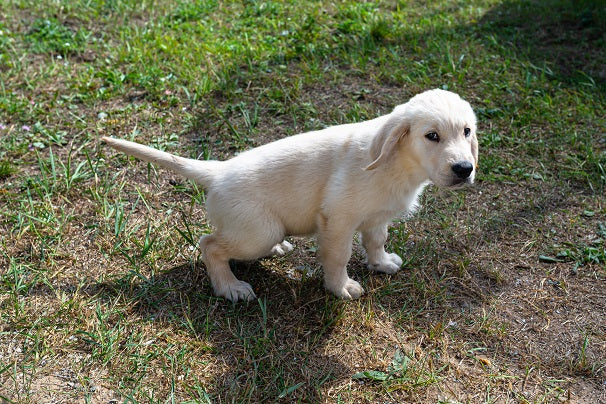
- Pet damage and high foot traffic: Dog urine burns the grass with excess nitrogen, and constant foot traffic compacts the soil so tightly that roots simply cannot breathe or spread.
- A buildup of dead grass: A thick layer of thatch blocks water, air, and nutrients from ever reaching the soil, essentially starving the living grass above it.

Method 1: Raking and Dethatching
Best for: Light to moderate thatch buildup
Thatch is that matted layer of dead stems and organic debris sitting between the soil and your grass blades. A thin layer under half an inch is fine, but anything beyond that starts choking the lawn out.
Tools
For this method, you need a lawn dethatching rake or a thatching rake for small areas. Opt for a power dethatcher for larger ones, and then a leaf rake to clean up after.

Steps to Remove Dead Grass by Raking
- Mow the lawn down to about half its usual height before you start.
- Use the dethatching rake and dig in, pulling the dead material up to the surface. For thick thatch, run a power dethatcher across the lawn in overlapping passes.
- Rake up all the loosened debris and bag it or add it to your compost.
- Water the lawn well after you're done.
For cool-season grasses, the best time to dethatch is late summer to early fall. For warm-season grasses, aim for late spring. Avoid doing this during a drought or extreme heat.
Method 2: Replacing the Sod
Best for: Large patches of completely dead grass
When a big section of the lawn has given up entirely, ripping it out and starting fresh with new sod is the most reliable fix. It's more physical work than the other methods, but it gives you the fastest visible results.
Tools
You need a sod cutter (rent one for large areas). A flat shovel or spade for smaller patches, and a wheelbarrow.

How to Replace the Dead Grass Sod
- Mow the lawn short, and water it a day before, so the soil underneath gets wet and softens. But it shouldn’t be muddy.
- Outline the area with dead grass with a spade. Adjust the blade depth on the sod cutter to just below the root level, usually one to two inches.
- Guide it in straight lines across the area, then roll up the strips (around 12 to 18 inches) of dead sod and haul them away (explained later what to do with them).
- Till the exposed soil to break up compaction, going about six to eight inches deep.
- Add compost or topsoil to improve the bed, then level the surface before laying new sod.
- Water thoroughly once the new sod is down and keep the soil moist for the first few weeks while it roots in.
Method 3: Sheet Mulching
Best for: If you want a chemical-free, labor-free option.
Sheet mulching smothers the dead grass by cutting off all sunlight and air. It is slow, but it also builds the soil while it works, which is a nice bonus.
Tools
Cardboard or newspaper, compost, mulch, water.
How to fix dead grass by Sheet Mulching
- Cut the grass (mowing) as short as possible first. Then lay down overlapping cardboard or at least ten sheets of newspaper, making sure no sunlight can get through the gaps.
- Wet the cardboard thoroughly so it starts breaking down.
- Cover it with at least four inches of compost or mulch on top.
- Give it about two to three months to fully smother what's underneath. After that, the bed is ready for fresh seed or sod.
Method 4: Solarizing
Best for: Full lawn replacement in summer
Solarizing uses the heat of the sun to cook the grass and everything underneath it. It is one of the more hands-off methods once it is set up, and it also takes out weed seeds in the soil, which is something most other methods miss. Opt for this method if you plan to complete an overhaul of the lawn and have summer heat to support.
Tools Needed
A clear plastic sheeting (2 to 6 mil), and some stakes or soil to weigh the edges down.

How to Remove Dead Grass by Solarizing
- Mow the grass as short as possible and water the area thoroughly before laying the plastic.
- Stretch the clear plastic tightly over the area and secure the edges so no heat escapes.
- Leave it in place for four to six weeks during hot weather. The soil temperature underneath can climb high enough to kill the grass, roots, and a good portion of weed seeds.
- Once the grass is dead, remove the plastic, let the soil cool for a few days, then prep for replanting.
Do not try this in shady spots or in areas with cool summer nights. It will not get hot enough to work.
Method 5: Use Herbicides
Best for: Small targeted areas or persistent grasses like Bermuda, where physical removal is not enough.
Herbicides are the fastest-acting option, but also the one that needs the most care. A non-selective herbicide like glyphosate will kill anything it lands on, so you have to be precise about where you spray.
Tools
Non-selective herbicide, garden sprayer, protective gloves, and eyewear.

How to Apply Herbicides?
- Wear protective gloves and goggles.
- Apply on a sunny, windless day when the temperature is above 60 degrees Fahrenheit.
- Avoid spraying near plants or garden beds you want to keep.
- Wait for the grass to die completely, which usually takes one to two weeks. If it has not fully died after four weeks, apply a second round.
- Once dead, rake up all the debris, till the soil lightly, and prep for reseeding
What to Do After Removing Dead Grass?
It depends on how you removed it. If you raked or dethatched, the soil is already exposed and ready for recovery. If you removed sod or used methods like solarizing, you’ll need to rebuild the surface before planting anything new.
Clear debris and loosen the soil
Make sure all loose, dead material is cleared. Then loosen compacted soil so roots can grow properly and nutrients can move through the ground.
Add compost or topsoil
A thin layer, roughly ¼ inch (around 1 cubic yard per 1,000 sq ft), helps level the surface and improve soil quality for new growth.

Reseed or lay new sod
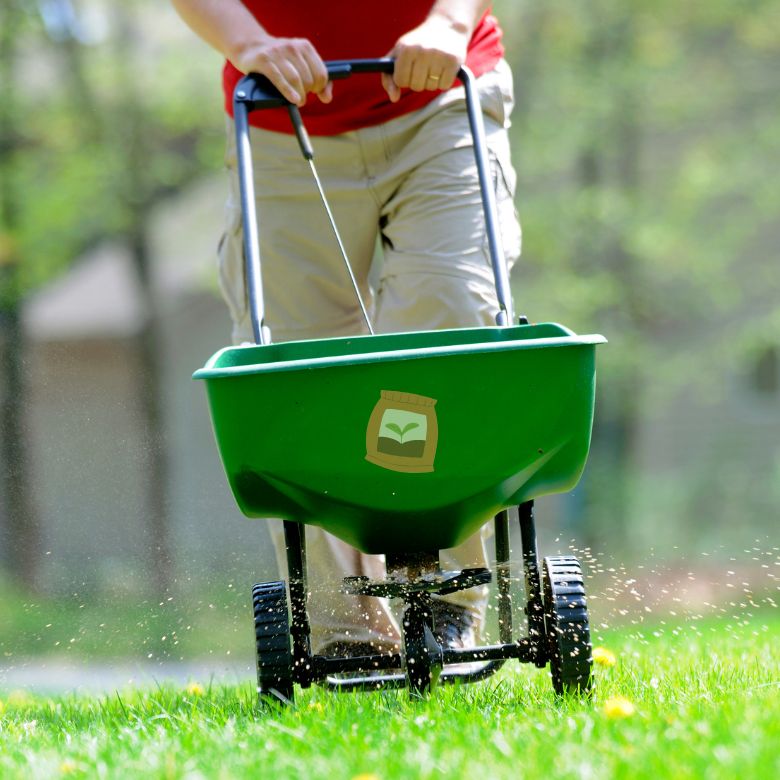
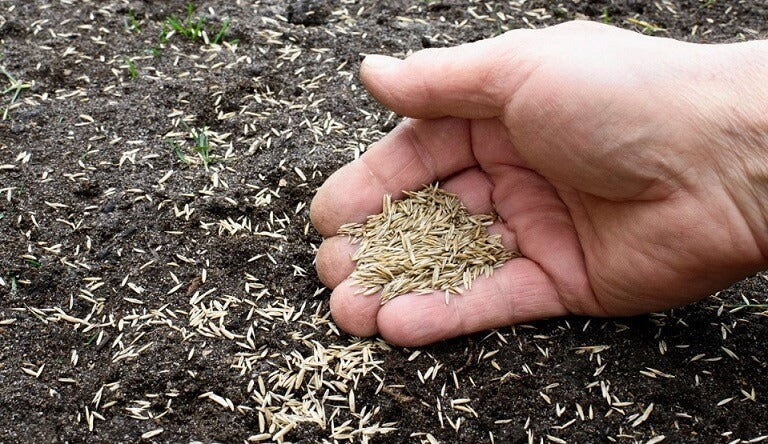
Spread the seed evenly and make sure it has good soil contact. Most lawns need around 3–4 pounds of seed per 1,000 sq ft for proper coverage.
Water properly
Right after removal, water deeply to about 6 inches into the soil or roughly 1 inch of water. After seeding: keep the top layer moist with light watering 2–3 times a day for the first 1–2 weeks. Read more details on how often to water new grass seed.

Stay off the lawn
New grass is weak early on. Avoid foot traffic and stay off for about 2 to 4 weeks, so roots can establish properly.
How to Avoid Getting Dead Grass?
Dead grass is a lot of trouble to fix, but most of it can be avoided with a few consistent habits.
Water deeply
Water less often but deeper, around an inch at a time, so roots push further down and hold up better through dry spells. Here’s more on how long to water grass.
Fix drainage issues
If water pools after rain, the roots are sitting in waterlogged soil with no room for air. Aerating or regrading that area early saves you a full removal job later.
Test and balance your soil
Nutrient deficiencies and pH imbalance quietly kill grass over time. A soil test once a year tells you exactly what is missing before the lawn starts showing it.

Dethatch
Once thatch crosses half an inch, it blocks water and nutrients from reaching the roots. Catching it early means a rake handles it. Leaving it means renting a power dethatcher.
Pull regrowth early
The moment you spot a tuft coming back, pull it out while the roots are still shallow. Small clumps come up easily and have no chance to spread. A quick walk around during watering keeps things from getting ahead of you.
Mow regularly, and do not skip sessions
A healthy lawn leaves no room for problems to take hold. The issue is that most people mow when the lawn looks too long, not on a schedule. When you skip sessions and then cut to catch up, you end up scalping it, stripping too much of the blade at once, stressing the roots, and leaving the grass open to heat damage and disease.
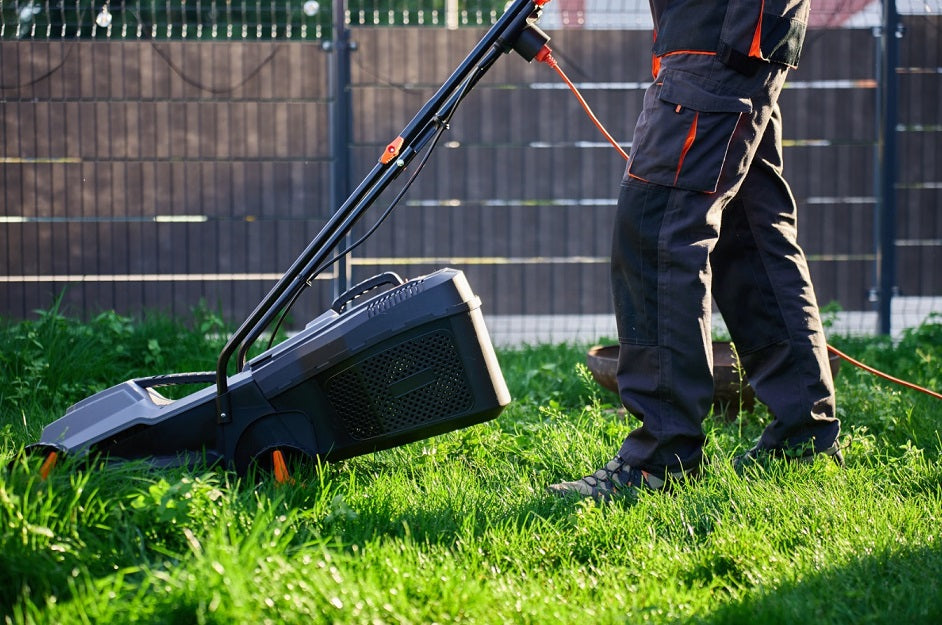
Yes, we know, it’s very hard to keep up a consistent schedule. But that’s what a robotic lawn mower handles for you. It trims a little every few days on its own schedule, so the lawn never gets long enough to scalp. The clippings it leaves behind are fine enough to break down into the soil and feed the grass naturally.

How to Dispose of Dead Grass?
You have done the hard part, but now there is a pile of dead sod sitting there. Here are some useful ways to deal with it.
Compost it. Stack it grass-side-down, keep it moist, and it breaks down into usable soil in three to six months. Throw in some coffee grounds or manure to speed things up.
Use it as fill. Rolled strips work well for leveling low spots or as backfill behind garden walls before you lay fresh topsoil.
Take it to a compost drop-off. Most local councils or counties have yard waste drop-off points. Shake off excess soil before you go; it cuts down on weight and makes the trip easier.
Avoid the landfill. Yard trimmings make up over 10 million tons of US landfill waste every year, and buried organic matter generates methane, a greenhouse gas at least 28 times more potent than CO2. Twelve states have already banned it. Composting or reusing is almost always the better call.
FAQs
Should I rake my lawn to remove dead grass?
Yes, but only if the buildup is light. Raking helps lift loose, dead grass and improves airflow at the surface. If the layer is thick or matted, a dethatching rake or power dethatcher works better.
What is the fastest way to fix dead grass?
Replacing the area with new sod is the fastest option. It gives instant coverage and results within a few weeks if watered properly. Reseeding works too, but it usually takes 2–6 weeks to establish.
How long does it take dead grass to come back to life?
Truly dead grass does not come back. It has to be replaced, using any of the methods we explained. If the grass is dormant, it can recover in about 1–3 weeks once conditions improve.