Crab grass is a stubborn type of weed that grows aggressively and could take over your whole lawn in no time. It not only affects the lawn aesthetics but also steals nutrients, sunlight, and water from your turfgrass.
The worst part is that it even grows actively in summer, when your cool-season grass is dormant. Whether it is hot or dry, it thrives and weakens the grass. And at the end of the season, it leaves large brown, dead patches.
Crab grass is extremely common, and you can witness it growing almost everywhere throughout the United States. That's why every lawn owner should know how to control and get rid of it.
This is a complete guide on how to deal with crab grass and keep your lawn healthy. But before that, we should discuss how to identify it and how invasive it is, so we can deal with it immediately.
How to Identify Crab Grass?
Crab grass is a summer annual grassy weed that sprouts in the late spring, grows tall in the mid-summer, and produces the seed head in the late summer. It prefers the hot season and dry areas.
It moves horizontally, and its branches come out of a single central point. The stems radiate outward and create a star-shaped or rosette pattern.
The grass blades have a similar structure or shape to turfgrass. However, it's a bit wide. It appears distinct in your lawn and has a central vein down the center. If you take a close look at the base, you will notice a pinkish or purplish tint.
It usually has a lime-green color, which is lighter than the grass. It grows in hot areas of your lawn. You will commonly see it along sidewalks, pavement, and the edges of driveways. However, it can spread throughout your lawn.

Why is Controlling Crab Grass Important?
We know that crab grass is an annual weed. That's why it grows for one season only, and then it dies.
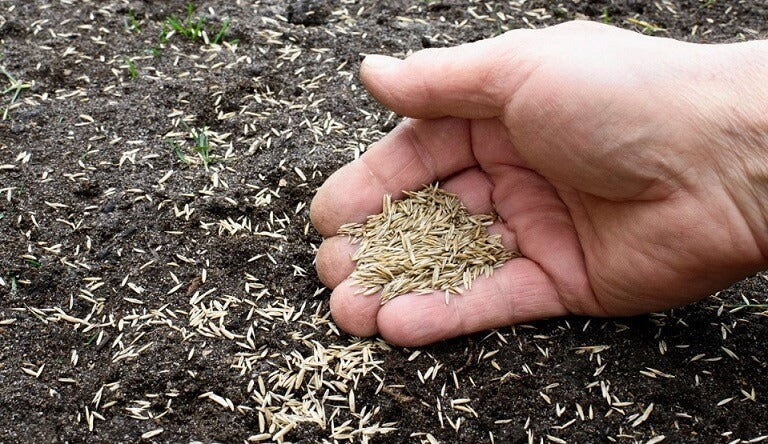
But it does not mean you don't have to do anything, as it dies automatically. The real problem is the seeds it produces. A single plant can produce up to 150,000 seeds in a single season. The seeds stay dormant in your lawn and can live up to 10 years. They are just waiting for the perfect sunlight moment and moisture to germinate.
If you don't control crab grass at the right time and let it produce the seed head, the seeds will spread everywhere in your lawn. There will be millions of seeds in your lawn if you just let a few crab grass plants produce seeds.
The seeds stay in the soil. And they can take over your whole lawn when the perfect time comes. Thus, it is necessary to control crab grass before it's too late.
How to Get Rid of Crab Grass?
If you already have grown crab grass in your lawn, here's what you can do.
Hand Pulling
Crab grass is a Grassy Weed, and it's safe to pull it out of the ground using your hands. If they are present at a few places, hand pulling is a better option compared to the chemicals.
To remove crab grass without any hassle, you should do it after a heavy rain or a deep irrigation cycle. It loosens the soil and allows you to take out the weed with its intact roots.
Do not pull leaves from crab grass. If you just snap the leaves off and leave the rest, it will grow again in a few days. Therefore, you should try to reach as far as possible and grab the weed with its crown, which is the central part or base where all stems meet. Then, pull it out straight with a slight twisting motion.
If you can't pull the weed out of the ground or there is a part of the roots still left behind, you can use a weeding tool, such as Fishtail Weeders, Dandelion Fork, or Stand-Up Weeders. Make sure you have completely taken out the plant along with its roots.
After pulling the plant, you'll have a bare spot. You can overseed this area and invite new grass growth. If you leave it as it is, it will be filled with weeds again.
Post-Emergent Herbicides
When your lawn is filled with crab grass, you can't pull every plant by hand. In this scenario, a better option is a post-emergent herbicide. It is meant to deal with already grown weeds and take care of a massive area.
While selecting a post-emergent herbicide for crab grass, you have two broad options. One is the Non-selective Herbicide. It contains ingredients like Glyphosate that can kill any green plant, including the turfgrass. You can use this type of herbicide to spot treat crab grass. But it will also harm the surrounding grass it comes into contact with. It's a good option if you plan to reseed the lawn.

Lawn owners often go with Selective Herbicides. These only target a specific plant or the unique biology of certain weeds. They do not harm the turfgrass. For crabgrass, a common selective herbicide is Quinclorac. When you spray it on the lawn, it is absorbed by the crabgrass leaves and travels to the roots. It does not allow the weed to grow.
When applying a post-emergent herbicide, you should consider the age of the plant. You get the best results when the plant is young. There are only a few leaves, and the plant has not developed the thick wax coating yet. Therefore, the herbicide works quickly.
At the tillering stage, the plant is a bit harder to kill, but still, herbicides can help you get rid of it. Once the crab grass has started producing seeds, you should avoid using herbicides, as they won't be effective. It's better to collect the seed heads safely and let the plant die from frost.

Your grass can process selective herbicides. However, you must apply it when the temperature is lower than 85⁰F. Check the weather forecast and spray it in the early evening. If you spray a post-emergent in extreme heat, the turfgrass won't be able to process it and might be affected along with the weed. It could turn yellow because it can't metabolize the chemicals.
How to Control Crab Grass?
Crabgrass seeds stay in the soil for a long time, so lawn owners need to control them and prevent them from germinating.
Pre-Emergent Herbicide
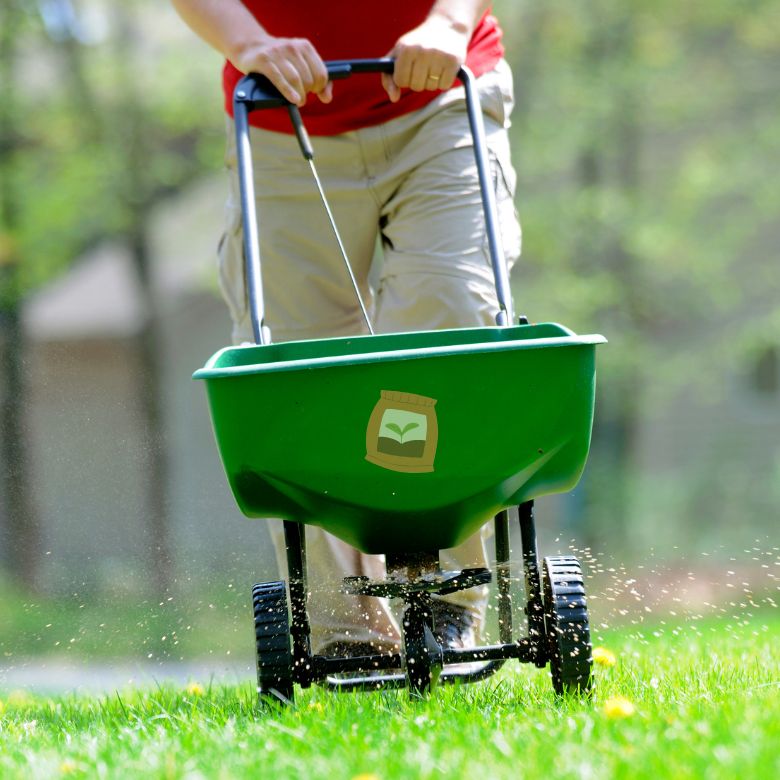
The best way to control crabgrass is by applying a pre-emergent herbicide. It won't let the seeds sprout.
Keep in mind that a pre-emergent herbicide does not work on an already grown plant. It only works on seeds. Thus, you have to apply it in the early spring, when the temperature is consistently between 50⁰F to 55⁰F. It's the time when the crab grass seeds are set to sprout.
The pre-emergent creates a barrier and does not allow the seeds to grow. Avoid heavy raking and lawn aeration after applying a pre-emergent.

Deep Watering
You might be wondering how deep watering can help control crab grass. These weeds have shallow roots, and when you do shallow watering, they absorb water quickly. Thus, your grass suffers from a lack of water and becomes weak, giving the weed more opportunity.
When you water your lawn deeply, the grass roots grow deep and create a strong root network. They can absorb water and nutrients from depth. Thus, your grass grows actively and outcompetes the weeds. It leaves no space for weeds to grow.

Regular Mowing
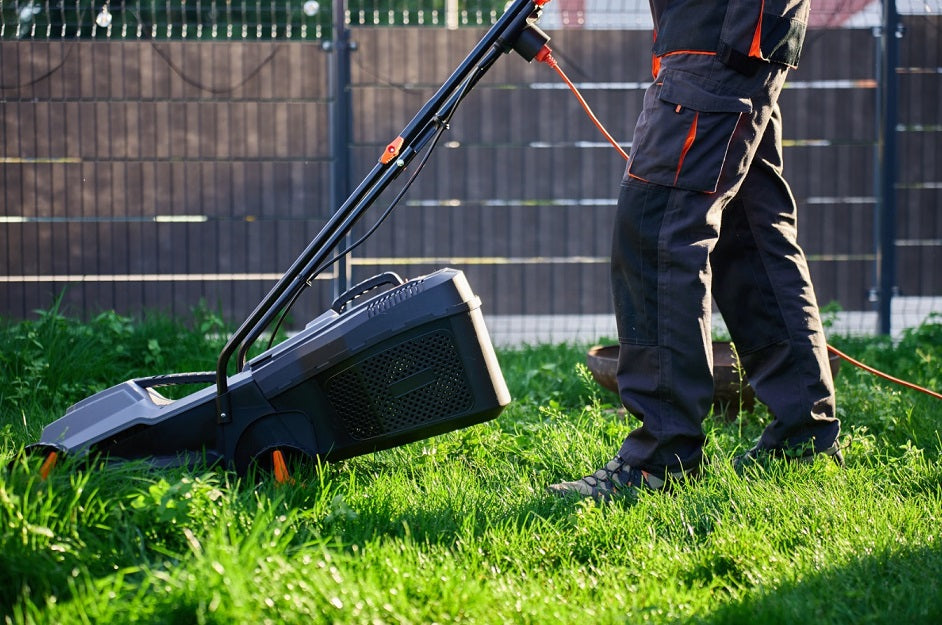
Regular mowing is extremely effective at controlling crabgrass. If you keep the grass at an optimal height, such as 3.5 inches, it will block direct sunlight from reaching the soil where dormant crabgrass seeds are. The soil stays cooler, and weed seeds don't receive sunlight, so they won't germinate.
But the problem with many lawn owners is that they can't mow their lawns regularly. They hardly mow once a week during the weekend and often miss that as well. The lawn overgrows, and when they mow, they usually end up mowing too much. These irregular mowing practices invite diseases and weeds.
The best solution for lawn owners is a robot lawn mower. It automates lawn mowing, so they do not have to spend time or effort. Just set the mower's schedule and desired height, and it mows accordingly. It keeps the lawn perfectly cut year-round, which not only enhances lawn aesthetics but also keeps the grass healthy.

A robot mower effectively controls crab grass. It keeps the grass in the perfect height and prevents crab grass seed germination. Secondly, even if the seed has sprouted, the constant trimming does not allow it to reach its full leaf height. It remains invisible in the lawn and cannot produce seeds. Thirdly, the micro-clippings not only provide free fertilizer but also keep the soil cooler and prevent direct sunlight from reaching weed seeds.
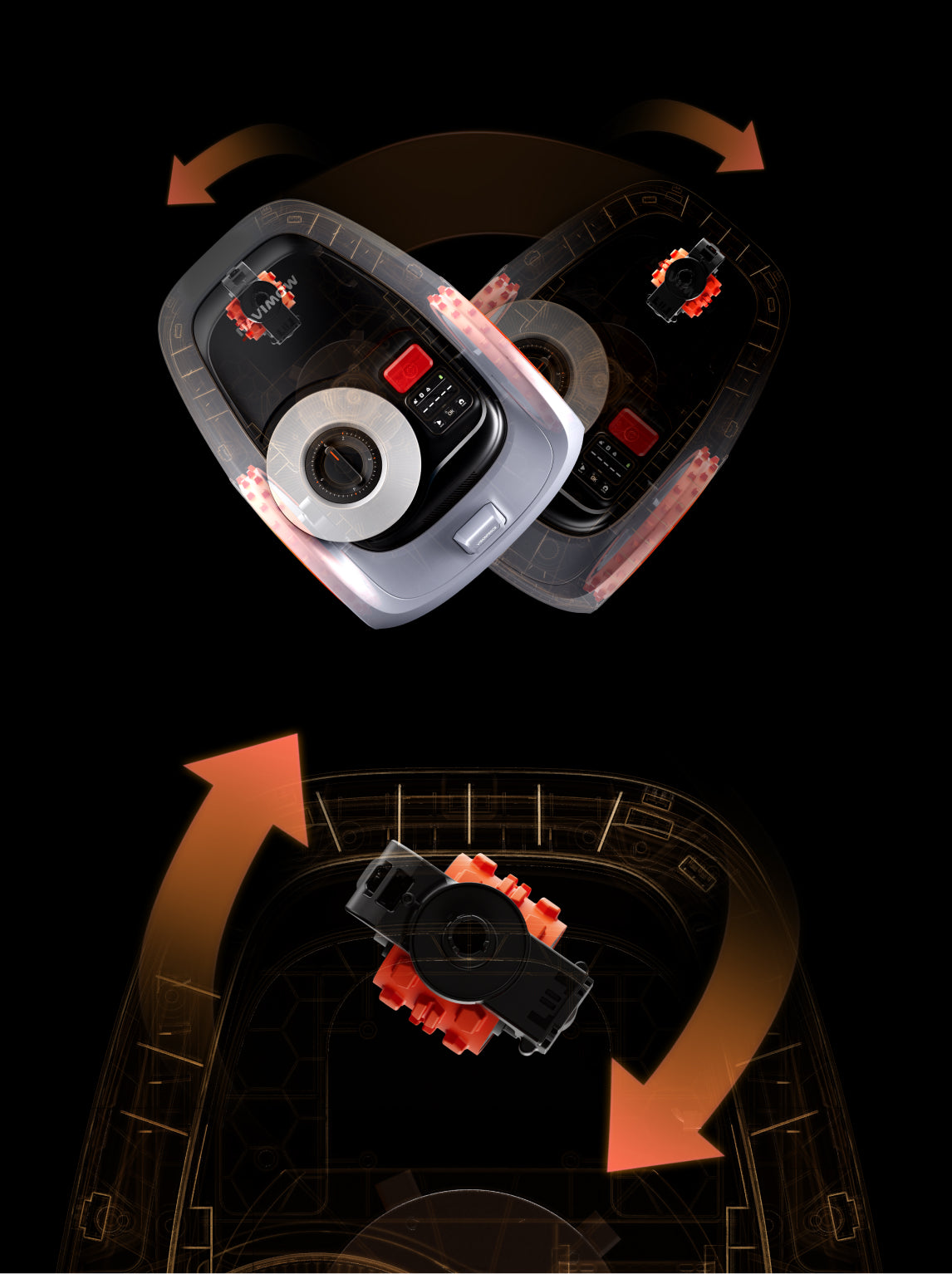
If you have a lawn up to 0.25 acres, the Navimow i2 AWD series is an excellent choice. It's equipped with Xero-Turn™ AWD to conquer difficult terrain and make a quick 180⁰ turn like a zero-turn mower. It navigates lawns with Network RTK and precisely detects and avoids animals, persons, and other obstacles in the lawn. It automatically maps your whole lawn within minutes and mows every corner without human intervention.

For large lawns up to 1.5 acres, you can go with the Navimow X4 series. It's a powerful mower designed with a Four-Wheel Drive system, Dual Suspensions, 5:5 balanced center-of-gravity distribution, and patented Traction Control System (TCS) to conquer any type of terrain. It handles steep slopes up to 84% (40⁰), which even most traditional mowers can't do.
It works on all grass types, and you can adjust the mowing height from 0.75 to 4 inches. Be it long, thick, or dense, it flawlessly cuts the grass and weeds and keeps your lawn perfectly manicured. It navigates large lawns with Network RTK, 360⁰ Vision, and VIO (Visual Inertial Odometry) and precisely mows every edge and corner. With the advanced obstacle detection, it detects 200+ obstacles and mows your lawn safely.

Overseed in the Fall
Crabgrass is an opportunist. Which means it does not invade your healthy grass. Instead, it targets bare spots and weak grass. It quickly grows in areas where your grass struggles to survive.
Therefore, lawn owners should overseed their lawn, especially the bare areas, in the fall. It invites new and healthy grass that covers the area and leaves no space for the crabgrass to grow.

FAQs
What kills crabgrass in summer?
If there are a few, hand pulling is effective. But if there are many weeds in your lawn, you can use a post-emergent herbicide to kill crabgrass in summer. It works exceptionally well if the weed is young and even in the tillering stage.
Can you permanently get rid of crabgrass?
You can't permanently get rid of crabgrass because its seeds stay dormant in the soil for up to 10 years. You can only control it using a pre-emergent herbicide in the early spring. It will create a barrier and won't let crabgrass seeds germinate.
What will kill crabgrass but not plants?
You have to use a selective post-emergent herbicide, such as Quinclorac. It is designed for the unique biology of certain types of weeds, so it does not affect the turfgrass and other plants.
Why does crabgrass keep coming back?
A single plant of crab grass can produce up to 150,000 seeds in a season, and these seeds stay dormant in the soil for up to 10 years. Which means they can come back every season unless you control them.
How do you pull out crabgrass?
Water the soil deeply to loosen it. Then, grab the base or crown of the crabgrass and pull the plant with a slight twist. The plant will come out easily along with its roots. Otherwise, you can use a weeding tool to take it out of the soil.