If you live in the United States or Canada, you’ve probably seen a groundhog.
While they might appear to be cute and cuddly woodland creatures, groundhogs, a.k.a. woodchucks, can cause significant damage to your lawn and outdoor structures.
Once you suspect groundhog activity, promptly eliminating them from your yard requires an effective removal strategy.
Read on to discover the keys to keeping your yard groundhog-free, ensuring its health, appearance, and longevity.
How Groundhogs Can Damage Your Yard
Left unchecked, even a single groundhog can damage your yard in these ways:
Structural Damage
Groundhogs construct deep and extensive tunnel systems, or burrows, with multiple hidden exits. These dens can undermine your property’s structural integrity, including its yard, driveway, patio, and walkways.
To make things worse, groundhogs will chew on wooden structures and buried utility cables. Their burrowing can even undermine the soil supporting your home, leading to extensive repairs.
Yard Damage
As groundhogs dig new burrows, they create large, noticeable mounds of excavated dirt that resemble volcanoes. The grass above the burrows may turn brown and discolored, resulting in tracks that resemble mole burrows.

The resulting holes, dirt mounds, and dead spots can ruin your lawn’s once-pristine appearance within a few days or weeks.
Additionally, the holes can make it hazardous to safely mow and use your yard for outdoor activities. Many homeowners have accidentally turned their ankles while working in the yard once it’s been invaded by pesky groundhogs.
During heavy rainfall, the burrows can also quickly fill with water, creating frustrating drainage problems.
Feeding Damage
Groundhogs have voracious appetites, consuming up to one-third of their weight in vegetation daily. During the fall, they will increase their caloric intake to prepare for hibernation.
A groundhog’s diet may include garden vegetables, fruits, flowers, and certain types of weeds, such as dandelions, clover, and chickweed. They also eat tender bark off trees.
Once they’ve invaded your property, a family of hungry groundhogs poses a significant threat to your lawn, landscaping, and trees.

Groundhog Prevention Tips
Maintaining a beautiful, healthy, burrow-free lawn requires the right groundhog removal strategy.
Here’s what to include in yours:
Fencing
Install durable wire-mesh fencing at least 3 to 4 feet high around impacted areas. To prevent burrowing, bury the fence 12 inches deep and, if possible, create an L-shaped underground barrier by bending the bottom part outward.
As more of a deterrent, installing fencing can be a laborious process that helps prevent existing groundhogs from expanding their burrow into undamaged areas.
Traps
Place size-appropriate animal traps, baited with lettuce, cantaloupe, or strawberries, near burrow entrances. Once you’ve trapped a groundhog, immediately cover the cage with a blanket or towel and humanely transport it to a remote area at least five miles from your home.
Releasing a groundhog too close to your home will probably result in it showing up again when least expected.

Repellents
Because groundhogs dislike strong odors and scents, sprinkle Epsom salts around your garden. You can also place rags soaked in ammonia in plastic bags with holes, then arrange them near burrow entrances.
Commercial repellants, such as Bobbex-R or castor oil-based sprays, are also effective, as well as natural deterrents like cat litter, hot pepper flakes, and garlic.
While repellents tend to work well, you’ll typically have to reapply them after it rains.
Harassment
Groundhogs also dislike disruption. Position a radio near the den entrance before dark, playing talk shows or music. You can also use motion-activated sprinklers or flashing lights to scare groundhogs away.
While these methods may prove to be effective, they can also disrupt your mowing routine or agitate your dog.

Habitat Modification
Groundhogs like to eat weeds and hide in tall grass. Ensure your lawn is weed-free and mow it frequently to eliminate potential denning sites.
In addition to eliminating food sources and hiding spots, a well-manicured lawn will enable you to promptly identify and address new burrows before they become significant issues.
Once you’re certain the groundhogs are gone, fill in the burrow entrance with dirt, sand, or rocks, and cover it with hardware cloth to prevent re-entry.
Groundhogs Are Members of the Rodent Family
Groundhogs are actually large rodents and a species of marmot, or ground squirrel, indigenous to North America.
With a life expectancy of four to five years, adult groundhogs typically weigh between 11 and 15 pounds and are 18 to 24 inches long. Like other squirrels, groundhogs have long tails and resemble miniature bears when standing on their hind legs.
While they will occasionally eat insects, groundhogs are primarily herbivores that follow a diet rich in fruit, grasses, weeds, and tree bark, with alfalfa, dandelion greens, and clover among their favorites.
They may damage crops and gardens while foraging for food, making them potential pests for farmers and homeowners.

Groundhogs Dig Burrows and Live in Dens
Groundhogs also have muscular bodies and sharp claws that they use to dig extensive underground burrows. Those burrow systems, or dens, can be up to six feet deep and 20 to 25 feet wide. They will also collaborate with other groundhogs to build dens with multiple branches, with separate tunnels for each groundhog “family.”
In addition to their digging proficiency, groundhogs have keen senses of hearing, sight, and smell. Dogs, foxes, and bobcats often prey on adult groundhogs, and owls and hawks pose additional threats to their young.
Additional Groundhog Characteristics
Groundhogs prefer living in woodlands near open spaces. They are often spotted in pastures, meadows, and thickets, or along highways and old cemeteries.
Groundhogs are solitary creatures that spend the warm summer and fall months gorging themselves, raising babies, and napping in the sunlight. Baby groundhogs are commonly called kits, pups, or chucklings.
Groundhogs change habitats to coincide with the seasons. In spring and summer, they typically migrate to open areas, suburban yards, crop fields, and vegetable gardens.
Once late fall arrives, they seek shelter in wooded areas to hibernate. Groundhogs rarely travel more than a half mile from their main burrow and do not eat while hibernating. Most male groundhogs don’t exit their winter homes until mid to late February, with females appearing a few weeks later.v
Signs of Groundhog Activity: What to Look for
Here’s how to determine if groundhogs have invaded your yard:
Burrow entrances: Look for deep holes 10 to 12 inches in diameter.
Loose soil: These are typically volcano-shaped piles of dirt with no visible entrance.
Discolored or dead grass: New, noticeable patches of damaged, brown grass could indicate groundhog activity.
Chewed plants or missing tree bark: While these signs can be attributable to other animals, they may indicate the presence of groundhogs. Because they are easily accessible, hungry groundhogs often target backyard vegetable gardens and young trees.

Frustrate Invading Groundhogs with a Timesaving Navimow Robotic Mower
Eliminating potential groundhog hiding spots, including tall grass, is an effective way to get rid of them once they’ve invaded your yard. However, finding enough time to mow your lawn can be challenging with everything else on your plate.
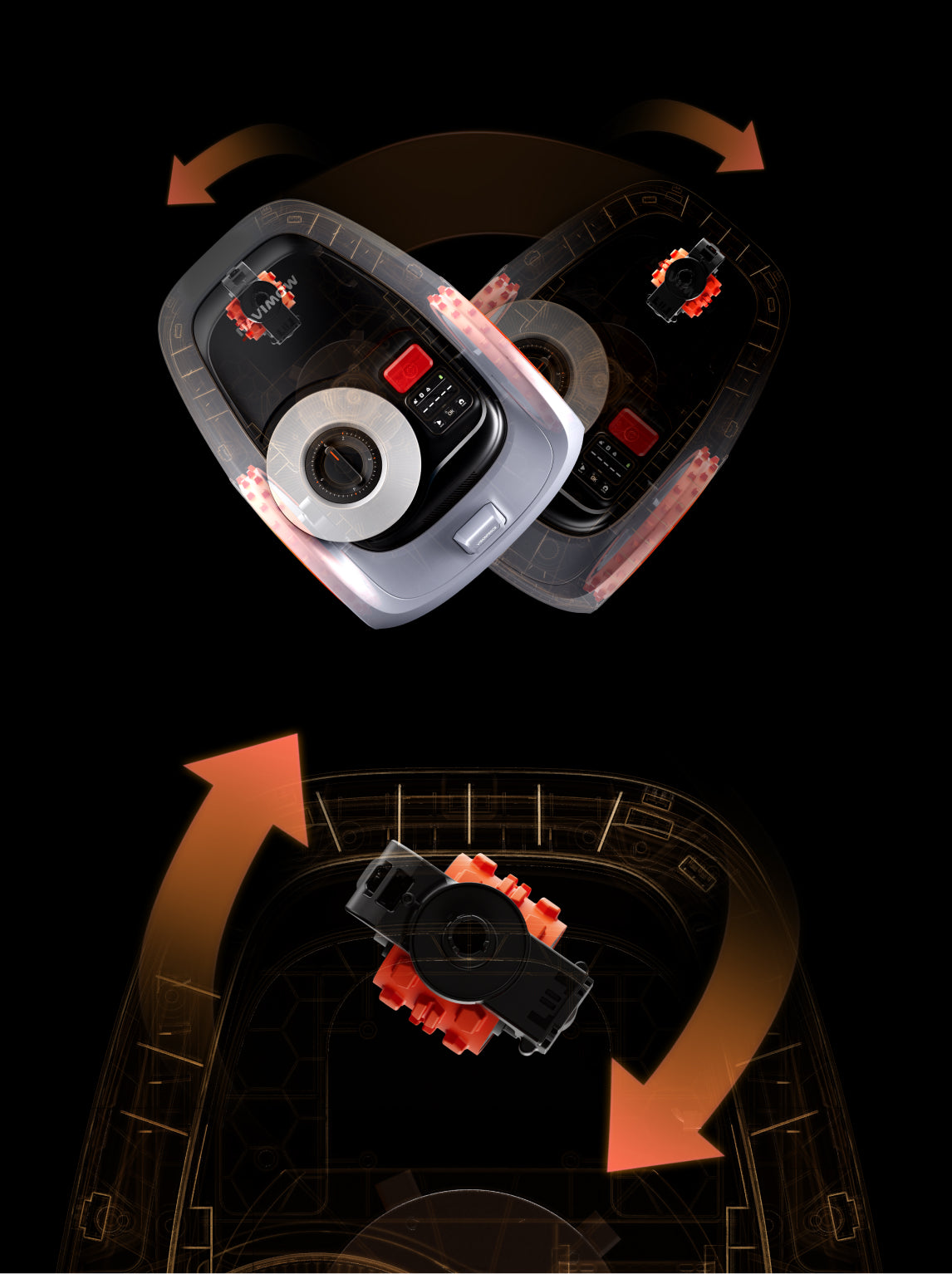
If you have a small lawn (up to 0.25 acres), a Navimow i2 AWD series mower can help keep your lawn beautiful, well-manicured, and groundhog-free. It easily navigates difficult terrains, including slopes up to 45% (24 degrees), while the Xero-Turn™ feature allows it to negotiate 180-degree turns without damaging the grass.
Equipped with wire-free Network RTK technology, it automatically maps your entire lawn, reroutes within 0.1 seconds, and maintains a 1-meter safety buffer — all while detecting 150+ obstacles, including fences, motion-activated lights, and decks.

For larger lawns (up to 1.5 acres), the Navimow X4 series is a master of all terrains. Engineered with features that include dual motors, tri-frequency Network RTK, and AI-powered 360-degree VisionFence™ and Animal Protection, the X4 safely cuts thick, long, and dense grass with care and precision, eliminating potential hiding and burrowing areas for groundhogs and other lawn-damaging pests.
Explore the full lineup of Navimow Robotic Lawn Mowers.