Like most homeowners, you take pride in maintaining your lawn’s appearance.
One morning, you wake up, walk outside, and notice several suspicious holes in your yard that weren’t there yesterday.
You scratch your head, let out a sigh of frustration, and try to imagine what’s causing these unsightly holes.
Then you remember smelling the unmistakable odor of a skunk while mowing the lawn last weekend.
Left unaddressed, skunks can significantly damage your once-pristine lawn — not to mention your peace of mind.
Thankfully, stopping skunks from digging up your lawn is possible with the right strategy. Read on to explore skunk-prevention tips every homeowner should know.
Understanding Skunk Habits and Habitats
Over the years, skunks have spread across North America, from Northern Mexico to Central Canada. Contrary to what you might think, skunks live in both rural and urban areas, as they can adjust their diets to reflect available food sources.
While woodlands are common skunk habitats, they can easily adapt to living in tall grass and thick brush, as well as wood piles, sheds, and underneath porches and decks.
Equipped with powerful front legs and sharp claws, skunks are natural ground dwellers and accomplished diggers. These features allow them to take advantage of ground-level openings to build large burrows or dens, and to dig under the soil in search of grubs.

Skunks Prefer to Live Near Water
Skunks are most active from late winter to early spring, as they mate, have babies, and raise their young. They also prefer not to travel very far, which means you will typically find them within a mile or two of a natural water source, such as a lake, stream, or river.
Due to their poor eyesight, skunks are primarily nocturnal creatures with few natural predators, which allows them to forage carefree for food at night. A skunk’s ability to spray their telltale scent is the primary reason why most predators, and humans, avoid them.
What Attracts Skunks to Your Yard?
There are many reasons why a skunk may set up residence in or near your yard, including:
Abundance of Food
Skunks are omnivores, with a diet featuring bugs, grubs, fruit, eggs, human garbage, and even small rodents. Due to the availability of these food sources, skunks often live near woodlands or humans.

Accessible Shelter
Skunks are also opportunists, which means they will build dens inside sheds and under wood piles, decks, porches, and concrete structures, such as patios, crawlspaces, or driveways. New housing developments often eliminate natural habitats, forcing displaced skunks to seek shelter elsewhere.
Cold Weather
While skunks don’t always return to the same den every year, they may reuse one if it’s in a prime location—like your yard. They might also remain in their den throughout the cold winter months to stay warm or to raise their young (kits).
Signs You May Have a Skunk in Your Yard
Because skunks are nocturnal, it’s best to check for them during the day.
Here are some telltale signs to watch for:
- Distinctive scent: A skunk’s noxious spray is an unpleasant way to determine if one is nearby.
- Skunk tracks: Skunks have five toes on each paw with visible claws.
- Displaced garbage: Skunks often scrounge through unsecured trash cans to find their next meal.
- Holes in your yard: Skunks dig small, cone-shaped holes, one to three inches across, while foraging for grubs at night. Within days, a skunk’s persistent digging can leave your yard looking pockmarked and unhealthy.

How to Keep Skunks Out of Your Yard
The best way to stop skunks from digging in your yard is to think like one and proactively implement an effective skunk-prevention strategy.
Here’s what to include in yours:
Grub Control
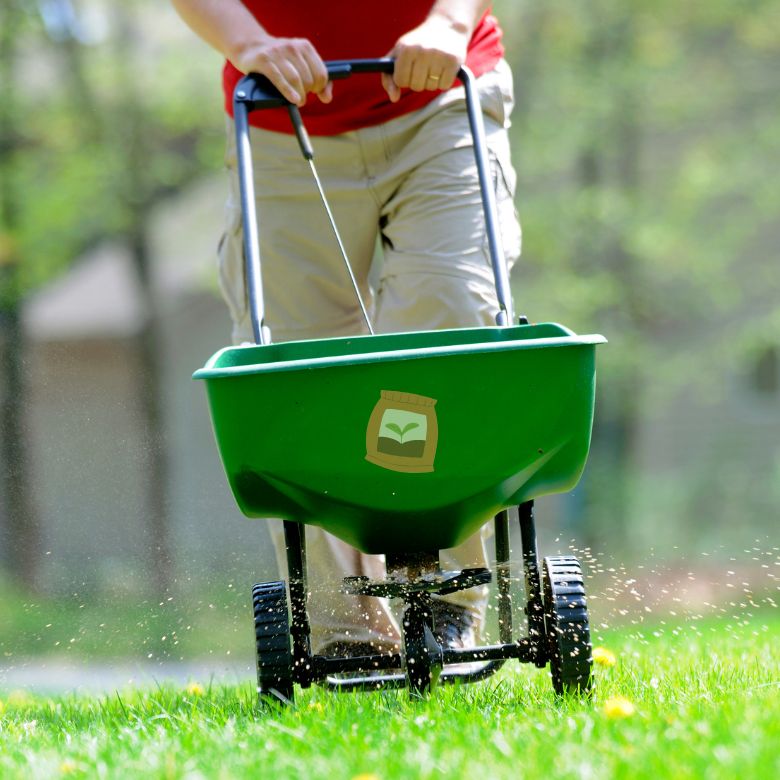
While they can be caused by various factors, large patches of dead grass may indicate a grub infestation, which will promptly attract the attention of hungry skunks. If your yard’s grub population is high (5 or more per square foot), apply an insecticide (liquid or granules) sometime during August through early September.
Preventative insecticide applications, from late May to early August, are also an effective way to stop grubs — and foraging skunks — from damaging your lawn the following year.

Exclusion Barriers
Because skunks cannot jump or climb, a fenced yard is an effective deterrent. Even a sturdy chicken wire or woven wire fence securely anchored to the ground can prevent skunks from entering prime feeding areas.
As an added precaution, exclusion barriers can also keep skunks from building a den inside your shed or underneath your porch or deck.
Scent Repellents
Some products, notably those with castor oil, can be applied to your lawn to mask the scent of worms, grubs, and other insects that might attract skunks. You can also apply other products, like coyote urine, around your property’s perimeter to keep skunks out.
Scent repellants must be reapplied often, especially after it rains.
Flashing Lights
Powered by rechargeable solar batteries, specialized motion-activated lights can be strategically placed around your yard. Once activated, these products flash brightly for several seconds, scaring off curious skunks and other nocturnal pests.
While motion-activated lights are somewhat effective, they can make mowing more challenging and diminish your property’s curb appeal.
Can Mowing the Lawn Help Prevent Skunks?
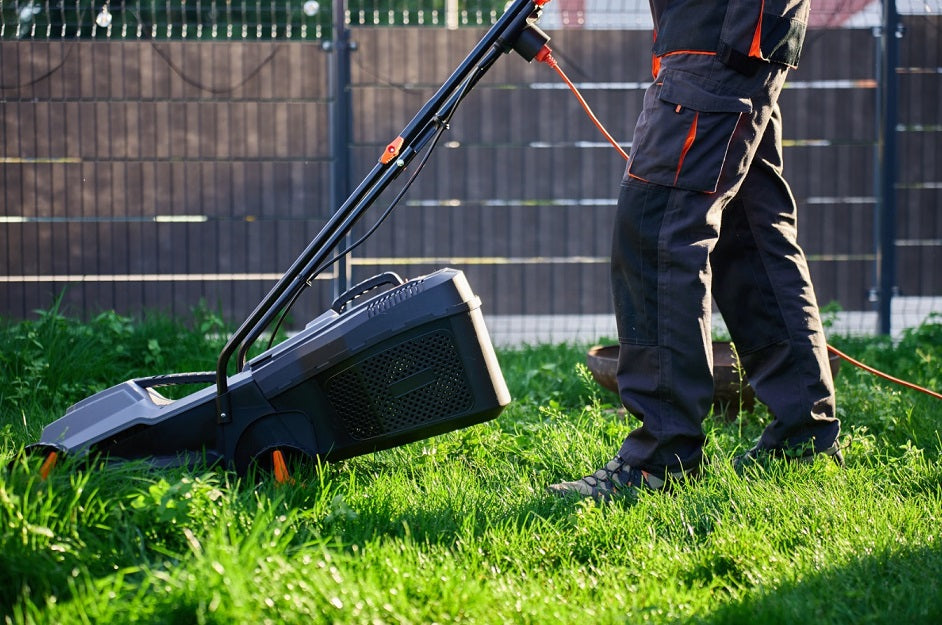
Yes, regular mowing can help keep skunks away by preventing thick, overgrown grass they favor for hiding and nesting. Maintaining a well-manicured lawn, trimming shrubs, and clearing debris make your yard less appealing to skunks, prompting them to move elsewhere.
Working in the yard regularly also allows you to monitor your lawn for signs of skunk activity, empowering you to proactively act before a minor issue becomes a significant problem.
Minimize Skunk Intrusions with a Navimow Robotic Mower
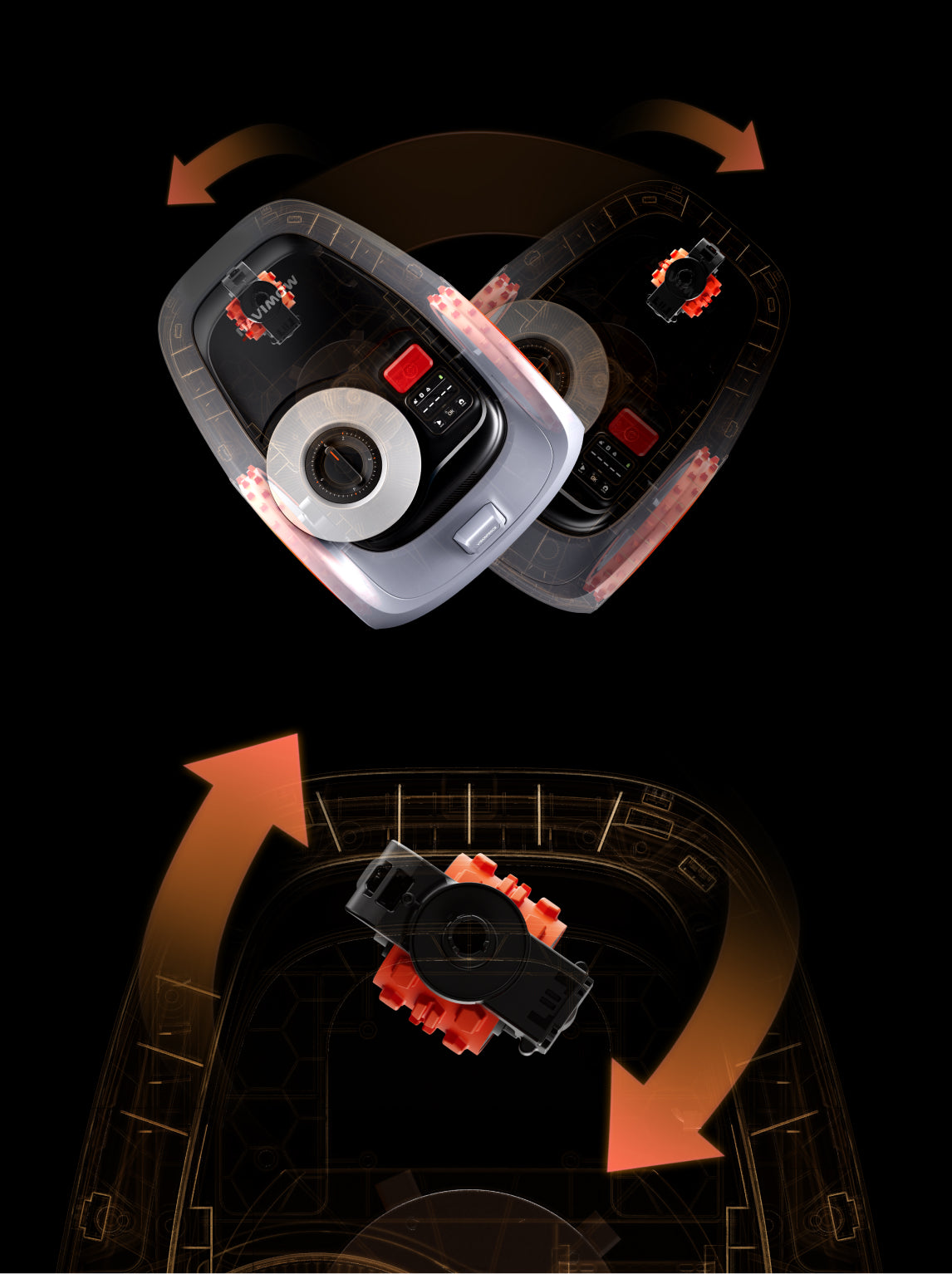
It’s a fact that regular lawn mowing helps eliminate potential skunk nesting areas, proactively stopping them from digging in your yard. As a valuable addition to any effective skunk- prevention strategy, a Navimow robotic lawn mower will help you enjoy a skunk-free lawn while saving significant time and energy you can devote to family, friends, and fun activities.

In addition to minimizing skunk intrusions that can damage your lawn, a robot mower will also save you big bucks over the long run, whether you mow the lawn yourself or hire a professional. Check out our lawn mowing cost calculator for more details.
Navimow carries a model for every lot size, budget, and lifestyle. Check out the robotic lawn mower collection to explore our full lineup of residential and commercial robotic lawn mowers.