


You're out on a beautiful Saturday morning, the sun is shining, and you have your favorite playlist going. The only thing standing between you and a freshly cut lawn is your lawn mower. You pull the cord, it sputters to life, and you get a few good rows in.
Then, without warning, it coughs, sputters, and dies. You pull the cord again. It starts, you mow a bit more, and it dies again. Now, you're locked into a frustrating cycle that's quickly turned a simple chore into an all-day battle.
Is this scenario giving you deja vu? Unfortunately, a sputtering mower is one of the most common landscaping problems. Fortunately, it's usually something you can fix yourself.
In this guide, we'll walk you through the most common reasons your lawn mower keeps dying, and what you can do to address them. Consider this post your ultimate diagnostic machine for your hardest-working piece of yard equipment.
Your Mower is All Gunked Up
Let's start with the simplest and most frequent culprit: a dirty mower. Over time, grass clippings, dirt, and other debris can build up in all the wrong places. More than just a cosmetic issue, this gunk can block airflow, clog essential parts, and cause your engine to overheat and shut down.
A Clogged Air Filter
Your mower's engine needs a steady supply of clean air to run properly, and the air filter is the gatekeeper that stops dirt and debris from getting into the engine. When that filter gets clogged, it's like trying to breathe through a stuffy nose. The engine can't get the air it needs, which causes it to run poorly and eventually stall.

Fortunately, replacing an air filter is usually a simple and inexpensive fix. You can find the filter housed in a plastic or metal case on the side of the engine. Just pop it open, take out the old filter, and put in a new one. It's a good idea to check your filter every few months and replace it at least once a mowing season.
Dirty Spark Plug
The spark plug is a tiny but mighty part of your engine. It creates the spark that ignites the fuel and air mixture, which powers the engine. If the spark plug is dirty, corroded, or has a buildup of carbon, it can't create a strong enough spark. This leads to a weak or inconsistent ignition, causing your mower to sputter and die.
You can clean a spark plug with a wire brush, but they're so affordable and easy to install that it's often easier just to replace it.

A Blocked Mower Deck
Check underneath your mower. Is the deck caked with a thick layer of old, dried grass? This buildup can prevent the blades from spinning freely, and the extra strain on the engine can cause it to overheat and shut down, especially if you're cutting thick, wet, or long grass.
After each mow, it's a good practice to tilt your mower (make sure the air filter and carburetor are facing up to avoid fuel spills) and scrape the deck clean. A putty knife or a dedicated mower scraper works particularly well for this job.
Further reading: How to cut long grass?

Fuel and Oil Troubles
Just like your car, your lawn mower needs the right kind of fuel and oil to run smoothly. Problems with either can quickly bring your mowing session to a halt. Here are a few things to check:
Stale or Improper Fuel
Did you know that gasoline can go bad? While we don't often think about gasoline having expiration dates, it's true. After about 30 days, gasoline can start to degrade, especially if it contains ethanol. Similarly, stale fuel can leave gummy deposits that clog up the fuel lines and carburetor.
If you're using gas left over from last season, that's very likely your problem. Always start the mowing season with fresh fuel. If you have gas left over at the end of the year and would rather not drain it, add a fuel stabilizer before winterizing your lawn mower.

Also, make sure you're using the right type of fuel. Most four-stroke engines use regular unleaded gasoline, but check your owner's manual to be certain. Using the wrong fuel can cause serious damage.
A Clogged Carburetor
The carburetor is where fuel and air mix before they go into the engine. Because the passages inside are very narrow, it doesn't take much to clog them. Old fuel is the number one cause of a clogged carburetor. Those gummy deposits we mentioned can block the flow of fuel, starving the engine and causing it to die.

Cleaning a carburetor can be a bit tricky. Sometimes, a spray-on carburetor cleaner will do the trick. Other times, you may need to remove it and give it a thorough cleaning by soaking it in a special solution. Learn how to clean lawn mower carburetor. If you're not comfortable with that, a small engine repair shop can handle it for you.
Low or Dirty Oil
Oil is the lifeblood of your engine, lubricating the moving parts and keeping the engine cool. If the oil level is too low or if the oil is old and dirty, it can't do its job effectively. The engine will run hotter, and the increased friction can cause it to seize up and shut down. This is a serious problem that can cause permanent engine damage.
Check your oil level before each mowing using the dipstick. If it's low, top it off. It's also important to change the oil regularly, usually once a season or after every 50 hours of use. Fresh oil is one of the best things you can do for the health of your mower's engine.

More Advanced Mechanical Issues
If you've checked all the basics and your mower is still acting up, the problem might be a bit more complex. These issues can be harder to diagnose and may ultimately require a trip to the repair shop.
Faulty Ignition Coil
The ignition coil transforms the low voltage from the battery into the high voltage needed to create a spark at the spark plug. When the engine gets hot, a faulty coil can fail, cutting off the spark and killing the engine.
After the mower cools down, the coil might start working again, which explains why your mower might start up only to die again after a few minutes of running. Testing and replacing an ignition coil can be time-consuming and tricky, so it's a job best left to someone with experience in small engine repair.
Blocked Fuel Cap Vent
Your fuel cap has a tiny vent hole that allows air to enter the tank as fuel is used up. This prevents a vacuum from forming. If that vent gets clogged with dirt or debris, a vacuum can build up in the fuel tank, stopping the flow of gas to the engine.
An easy way to test for this is to loosen the fuel cap slightly the next time your mower dies. If it starts up and keeps running, you've found your culprit. You can try cleaning the cap, but a new fuel cap is an easy and inexpensive replacement. It's a small detail, but a clogged fuel cap is a more common issue than you might think.

A Damaged Flywheel Key
The flywheel key is a small metal part that connects the crankshaft to the flywheel. If you hit something hard with your mower blade, like a rock or a tree root, the flywheel key is designed to shear in half. This protects your engine from more serious damage.
When the key is sheared, the ignition timing is thrown off, which can cause the mower to run rough, backfire, or refuse to start at all. Replacing a flywheel key involves removing the flywheel, which can be a challenging job, so you may want to call a repair shop instead.
Tired of the Pull Cord and Tune-Ups?
Unfortunately, maintaining a gas mower is a yearly ritual of cleaning, tuning, and troubleshooting. It takes time, effort, and sometimes a lot of frustration.
But what if you could have a perfectly manicured lawn without ever pulling a starter cord, changing a spark plug, or dealing with stale gas again?
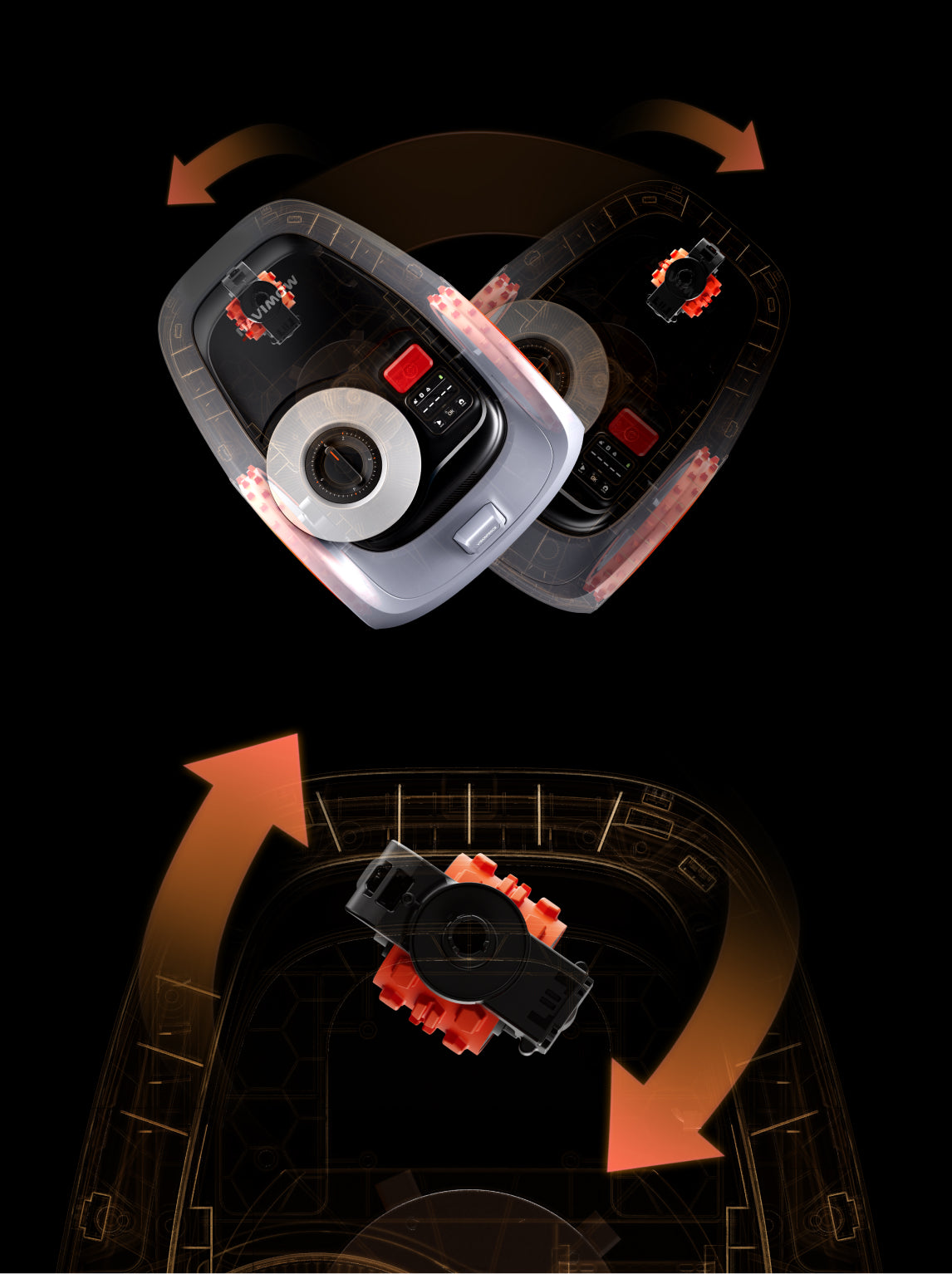
It's time to meet the future of lawn care: the Navimow robotic lawn mower is designed to give you a flawless lawn with zero effort. Using advanced EFLS technology, Navimow mows your lawn with precision, day or night, rain or shine. You set the schedule from your phone, and it does the rest. It's quiet, emission-free, and so smart it even navigates around obstacles.
Just think of what your weekends could be: instead of fighting with a dying mower, you could be enjoying your beautiful yard.







Share