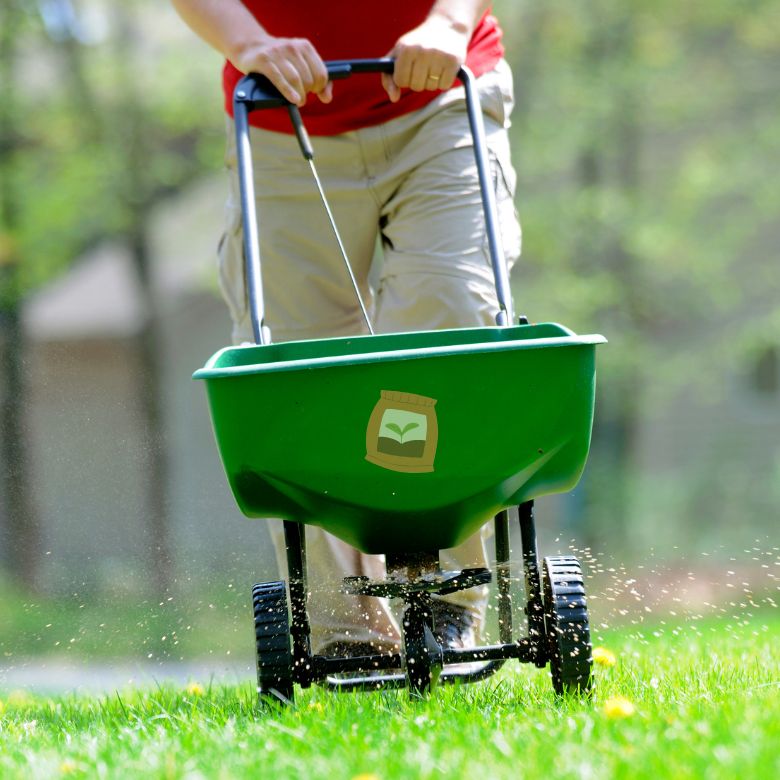
Lawn owners often use fertilizers to keep their lawns lush, green, and dense. The add essential nutrients to the soil to support healthy growth and enhance curb appeal. But what they don’t realize is the harm that fertilizers cause to the environment.
Yes, fertilizers can have adverse environmental effects, especially when used improperly. They lead to serious environmental issues, such as water pollution, algal blooms, and carbon emissions.
Let’s understand why lawn fertilizer is bad for the environment and how it harms nature.
How Can Fertilizer Harm the Environment?
You might be wondering how lawn fertilizer harms the environment. That’s a valid question because you add fertilizer to your lawn only. It goes into the soil and feeds the grass.
It harms the environment in multiple ways. Firstly, it leads to various water quality problems, but how?
When you fertilize the grass, the fertilizer could be washed away due to rainfall or excessive watering.
Suppose you have fertilized today, and the thunderstorm hits. It will sweep the excess nitrogen and phosphorus from the soil to the street. Then, it enters the storm drain. It’s not clean water; it’s a toxic mixture of excessive nutrients. The storm drain flows directly into the nearest pond, lake, or stream without treatment. And that’s how it pollutes waterways.

A single house might not destroy the water source. But consider the houses around; even the water coming from houses in your single subdivision would create a massive load of toxic waste that affects the water quality of these sources.
But that’s not it. Lawn fertilizer also contributes to air pollution. The gases released from it are dangerous and contribute to respiratory issues and greenhouse gases.
Lastly, it also kills the soil. Over time, the high concentration of salts kills beneficial microbes and earthworms. It also leads to pH imbalance and other soil issues.
Why is the Lawn Fertilizer Bad for the Environment?
We have discussed how lawn fertilizers harm the environment. Let’s understand the chemical reactions, the issues that they cause, and the complete chain reaction that affects water, air, and climate.
Algal Bloom
Nitrogen and phosphorus are superfoods for aquatic plants. Naturally, they exist in extremely small quantities in ponds and lakes. That’s why the population of plants remains in control.
But when water from storm drains containing a heavy amount of fertilizer enters the water source, it disturbs the balance. Due to the high concentration of these nutrients, algae grow aggressively. They can double the population within hours. That’s why they cover the water surface with a thick, green mat, which looks horrible.

The mat blocks sunlight from reaching deep-water aquatic plants and slows their photosynthesis. They can no longer produce energy to survive. Keep in mind that these deep-water plants are also the producers of oxygen in water. When their photosynthesis slows down, they cannot produce more oxygen.
Finally, the plants die due to a lack of sunlight, and the fish and invertebrates that used to hide in them lose their home.
The worst part is that some species of algae produce toxins and make the water source dangerous to humans and pets.
Oxygen Depletion
The harm of algae doesn’t stop. It continues even when they die.
Not only do algae grow fast, but they also die quickly. They have a short life. Once the nutrients in the water go low, their growth reduces, and they start to die.
After some time, there are millions of tons of dead algae that settle on the floor of the lake, pond, or bay. They create a thick layer of organic sludge.
This sludge serves as a food source for aerobic bacteria. As it’s present in huge quantities, it promotes bacterial growth exponentially. Aerobic bacteria consume the food and pull the dissolved oxygen from the water to breathe. They consume oxygen extremely quickly, so the aquatic plants are unable to make up the difference, which creates an imbalance.
When the oxygen level in the water goes too low, the aquatic animals, such as fish, shrimp, and crab, suffocate and strive for oxygen. This stage is called Hypoxia. Some species, like fish and large crabs, try to escape the area. But the slow-moving organisms cannot leave. Finally, these aquatic animals die after fighting for oxygen. And then the water becomes a dead zone.

The last stage is Anoxia, when there is no oxygen in the water. The anaerobic bacteria replace the aerobic bacteria. They do not need oxygen to survive. They release Hydrogen Sulfide, which is toxic. It also produces a rotten egg smell and irritates the people living nearby.
Ammonia Toxicity
Ammonia is extremely harmful not only for aquatic animals but also for your kids and family. It pollutes water and air, and it is a direct chemical poison.
When you use synthetic fertilizers, such as urea and ammonium nitrate, they run off to the water streams and produce ammonia.
Fish also excrete ammonia through their gills. It’s their natural waste product. But when the concentration of ammonia becomes high in water due to fertilizers, fish can’t excrete their ammonia waste.

Thus, the ammonia remains inside the body. Its concentration increases in the blood and tissues, which harms the gill membrane. Finally, fish can’t regulate the salt within their bodies. In the worst case, high ammonia in fish causes neurological issues, such as coma and rapid death. It can kill fish within a few hours, which makes it more dangerous than algae.
Fertilizers also release ammonia in the atmosphere through volatilization. When soil enzymes break down the fertilizer, they release ammonia into the air. It starts reacting with other pollutants to form fine particulate matter, PM2.5.
The tiny particles of PM2.5 can be inhaled, and they enter the bloodstream. It leads to cardiovascular issues and various respiratory issues like asthma and bronchitis.
Thus, if you are thinking that your lawn is safe for kids after the application of fertilizer, you’re wrong. They will inhale harmful particles.
Nitrous Oxide Formation
Nitrous Oxide harms the environment to an extreme level because it’s responsible for global climate change.
When you fertilize your lawn, bacteria convert nitrogen to make it accessible for grass. But when you over-fertilize, nitrogen is in high concentration, while the oxygen is low. That invites a specific group of bacteria that release Nitrous Oxide as a byproduct.
This Nitrous Oxide is released directly into the atmosphere. And the bad news is that it’s a potent greenhouse gas. It’s 270-300 times more effective in trapping heat compared to carbon dioxide.

The worst part is that it has a long lifespan and can last roughly 110 to 120 years. It won’t wash away after rain. It will stay in the atmosphere and also affect the lives of your great-grandchildren.
Lawns cover around 40 million acres in the US. Now, you can get an idea of how much nitrous oxide is released into the atmosphere because of the greenery you love. Thus, it’s a significant contributor to global warming. In fact, 10% of the total global warming to date is due to nitrous oxide.
Nitrous Oxide is the top ozone-depleting substance that is emitted by human activity. When it reaches the stratosphere, it converts into nitrogen oxide after reacting with solar radiation. The resultant gas removes the ozone molecules and weakens the UV radiation protective layer.
Carbon Footprint
Lawn fertilizer doesn’t start harming nature after you fertilize the lawn; it’s actually the second phase. It starts when it’s being produced.
Most synthetic fertilizers are made through the Haber-Bosch process, which is energy-intensive.
For the creation of nitrogen, fertilizer manufacturers in the US pull hydrogen from natural gas (methane). The process is carried out under extreme pressure and heat (around 450⁰F to 840⁰F). It requires a huge amount of fossil fuel. Approximately two tons of carbon dioxide are released just to produce one ton of anhydrous ammonia.
The fertilizer industry is alone responsible for 1-2% of total global CO2 emissions, which is insane.

Nitrate Leaching
We have discussed how fertilizers harm the ponds, lakes, and streams. However, people might not be directly affected by contamination if they don’t live near these water sources.
But what most people don’t know is that fertilizers are also responsible for groundwater contamination.
When there is excess nitrogen and water in the soil, the grass does not absorb all of it. It is actually pulled downward in the soil by gravity. If you are thinking that water-soluble nitrates will be filtered by the soil, you are wrong. Soil particles are negatively charged, and so are the nitrates, so there is no attraction. They pass through without any hassle.
These nitrates accumulate in the groundwater, so if you have a water well, there is a high possibility that it will have a higher nitrate concentration. Not only are you contaminating your water well, but also the neighbors'. People might not know they are drinking high-nitrate water because it’s colorless, odorless, and tasteless. It can only be detected through a water test.

High-nitrate water is dangerous for infants. When they consume it with baby formula, the nitrates are converted into nitrites in their digestive system. The nitrites bind to the hemoglobin in the blood, so it can’t carry oxygen anymore. The infant’s skin can turn bluish, which is why the condition is called "Blue Baby" Syndrome. It leads to respiratory distress, brain damage, or death.
Keep in mind that adults are less susceptible, but they can also have health issues by consuming high-nitrate water.
Heavy Metal Accumulation
Synthetic fertilizers, especially the cheap ones, contain heavy metals. They are not properly filtered and might contain metals like Lead, Cadmium, Arsenic, and Mercury. Even if you are using natural fertilizers that are derived from industrial byproducts, they could contain these heavy metals.
These heavy metals do not wash away or evaporate. They stay in the topsoil forever. Every time you add such fertilizer, you increase the quantity of heavy metals in the soil. It might not be a direct threat until you decide to do gardening on that soil, or maybe turn a small portion to grow vegetables.
The vegetables absorb and store these heavy metals. And when we eat them, the metals end up in our bodies. Cadmium causes kidney damage in humans, Lead is known for neurological damage in children and pets, and chromium causes skin irritation and long-term carcinogen risk. They have adverse effects.

Not only do these heavy metals harm humans, but they also harm animals. The earthworms in the soil consume soil and organic matter, which is why they end up storing heavy metals in their tissues. When birds like robins or songbirds eat hundreds of worms, their bodies have a higher concentration of these heavy metals.
Similarly, hawks, owls, and home pets can also suffer from various health issues, such as reproductive failure, neurological damage, and weakened immune systems. It happens after they eat the worm-eaters or directly ingest worms.
Harm to Pollinators
We have discussed how fertilizers harm humans, animals, and birds, but still, that’s not all. They also harm pollinators like bees.
Synthetic fertilizers are mineral salts. They harm pollinators in two ways. Firstly, these pollinators land on the ground for water and minerals. But when they step on fertilizer granules, the salt pulls moisture from their tissues. It causes salt burns, which can also be fatal to these sensitive creatures.
Secondly, after light rain or when you water the lawn, the water collects in puddles. It also contains a high concentration of fertilizer nutrients that make the water toxic. It can cause an electrolyte imbalance in pollinators.

Soil Addiction
When you frequently add fertilizer to your lawn, the soil becomes addicted. The grass doesn’t grow until you add the next fertilizer bag.
It happens because the salts in fertilizers draw water out of the beneficial bacteria, protozoa, and fungi. Eventually, their population is reduced.
Mycorrhizal fungi are attached to the grass roots, and they help in finding water and phosphorus from deep. High-salt synthetic fertilizer kills these beneficial fungi, so your grass struggles. It has to wait for the fertilizers to support further growth.
When these beneficial microbes are gone, the soil cannot break down the organic matter, such as grass clippings.
Another problem that high concentrations of salt cause is the loss of earthworms. They are necessary to maintain pores in the soil. But due to high salt concentration, they might leave or die. It results in soil compaction over time. When there are no pores left, the soil blocks oxygen, water, and nutrients from reaching the grass roots. Thus, the grass suffers and eventually dies.

Synthetic vs Organic Fertilizers: Which One is More Harmful for the Environment?
Synthetic fertilizers are chemically manufactured salts. They are affordable and easily available, and also turn your lawn green in minimal time.
However, they are not safe for the environment. We have already discussed how they pollute water and air. They have a higher carbon footprint, and they contribute to ozone depletion and global warming.
But are organic fertilizers any good?
Yes, organic fertilizers are much better than synthetic fertilizers. They are not 100% safe for the environment, but they pose a much lesser risk.

For instance, organic fertilizers are slow-release. Because they are not water-soluble, they rely on soil microbes to break them down. They greatly reduce the chances of runoff and water pollution.
They do not emit harmful greenhouse gases like synthetic fertilizers. Plus, they do not pollute groundwater. The best part is that organic fertilizers improve soil health. They encourage earthworms and fungi that are beneficial for the soil.
Organic fertilizers are also tested for heavy metals and regulated to ensure they do not contain any harmful elements. They are better for your lawn. However, they are a bit costly and need time to show results.
How to Reduce Fertilizer Requirement in Lawn?
For responsible lawn owners, the best way is to reduce the fertilizer requirement in the lawn as much as possible. Here are a few things you can consider.
Micro-clippings
Most lawn owners know that grass clippings are free fertilizers. They provide nitrogen to the lawn and a little amount of phosphorus and potassium.
But still, they prefer not to leave them on the lawn. The reasons are that mulching increases the risk of disease spread, makes the thatch layer thick, and could create clumps that never break down.
These are disadvantages of mulching, and they are valid. However, there is a better way, which is Micro-clippings.
Micro-clippings are fine clippings of grass tips. They are hardly 0.125-0.25 inches, and they address all issues of mulching. They break down easily and turn into fertilizer. They do not clump together or affect the aesthetics of your lawn.

If you do micro-clippings, you can reduce the nitrogen requirement by 25-30%. Thus, you will need to fertilize less often, which is better for the environment.
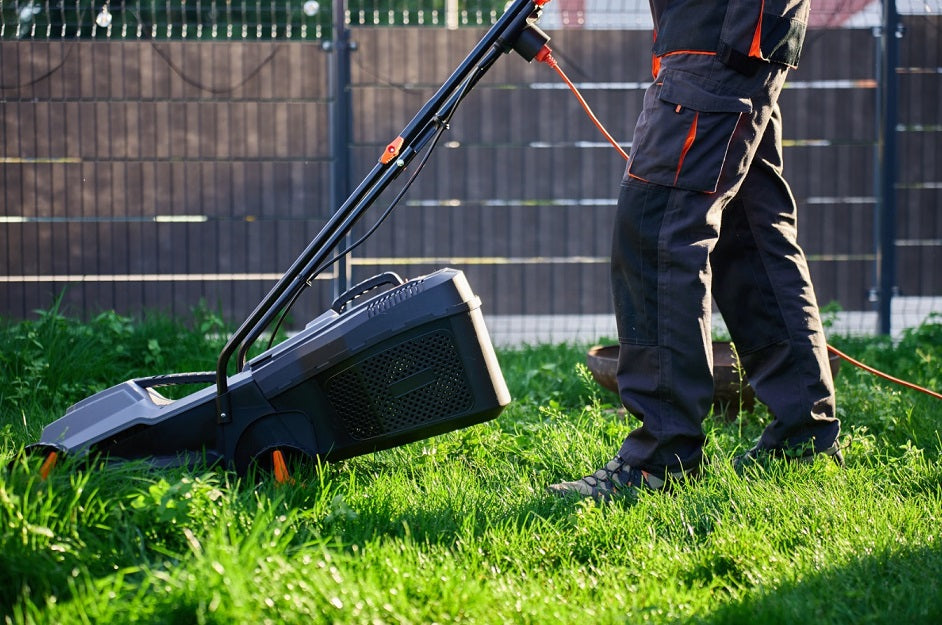
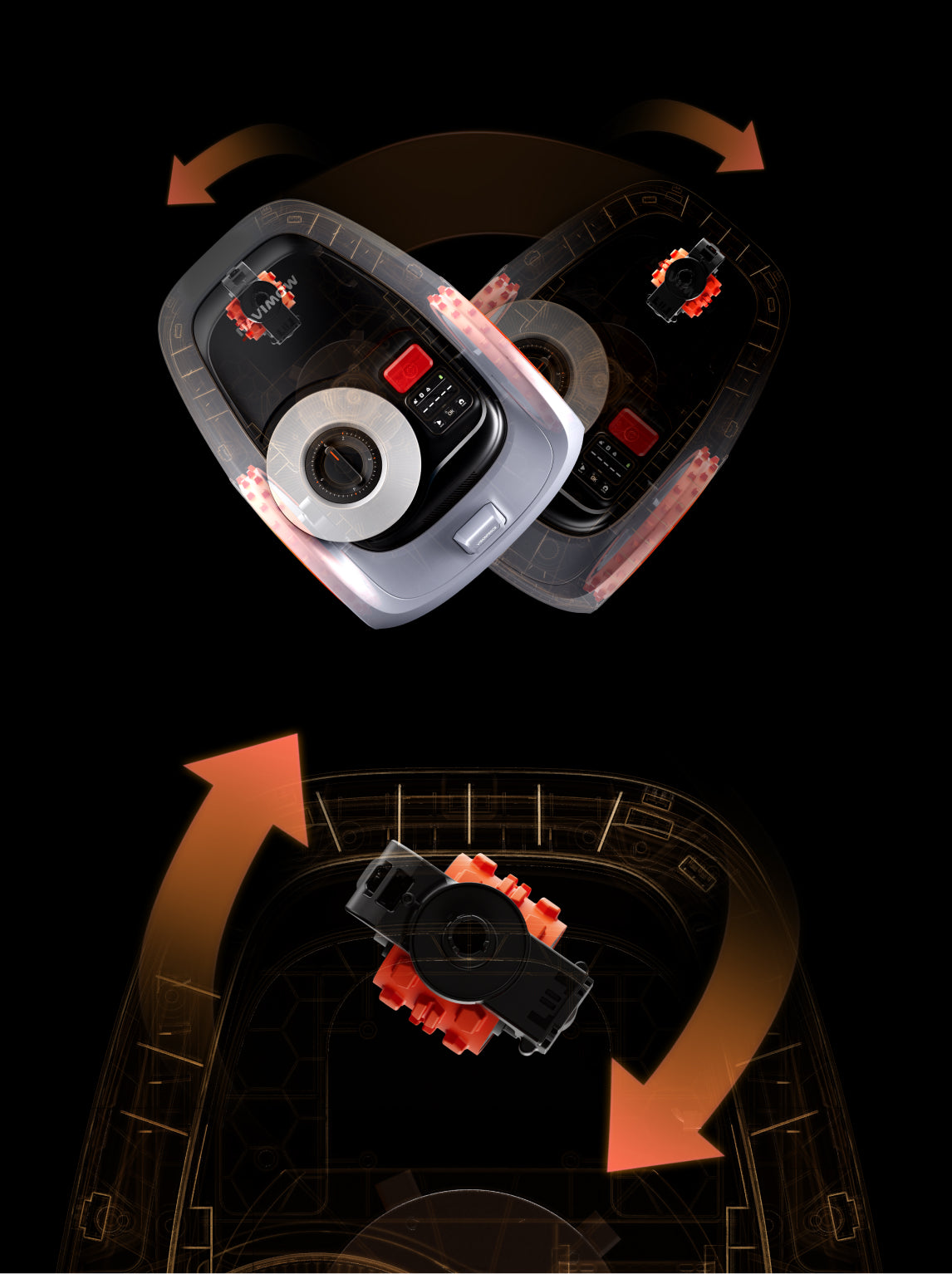
For micro-clippings, you need to use a robot lawn mower. It regularly mows your lawn and precisely cuts grass tips. Thus, the fine clippings provide free fertilizer to the lawn.
If you have a small lawn up to 0.25 acres, you can go with the Navimow i2 AWD series. It’s a compact and affordable mower with an advanced All-Wheel Drive (AWD) system to work on difficult terrain. It precisely navigates your lawn with Network RTK and cleanly cuts every corner, while intelligently avoiding obstacles.

For large lawns up to 1.5 acres, there is nothing better than the Navimow X4 series. With its Xero-Turn™ AWD, it dominates difficult terrains. It handles steep slopes up to 84% (40⁰) and mows tight and difficult spaces. It automatically maps your whole lawn and navigates with NRTK, vision, and VIO (Visual Inertial Odometry) technologies.
Its dual 180W motors and a dual-disc system mow tough, tall, and dense grass without any hassle. It precisely cuts any type of grass as its height can be adjusted from 0.75 to 4 inches. It also takes care of the edges with EdgeSense™. It mows within 2 inches of the walls and fences and goes edge-to-edge on boundaries and transitions.

Soil Testing
Never fertilize your lawn without conducting a soil test. You can’t guess whether the soil needs fertilizer or not.
For a nutrient test, you can collect a soil sample and submit it to a lab. You will get a detailed report that states the amount of each nutrient, including micronutrients and macronutrients.
The report also suggests what you should add to improve the soil if there are any issues. The best part is that the rate or quantity per unit area is also mentioned. Check out lawn soil testing to know how to collect a lawn soil sample.
Only add fertilizer if your lawn needs it, and make sure to add the right amount. Do not overfertilize the area.

Lawn Aeration
We have discussed that when no earthworms are present in the soil, it becomes compacted over time. After that, when you apply fertilizer, it won’t reach the grass roots. Most of it will stay on the soil.
Lawn aeration reverses soil compaction. In core aeration, you remove small plugs of soil. It creates cavities or holes and allows the soil to expand.
Because of the holes, water, nutrients, and air can easily reach the roots. Thus, when you apply fertilizer, all of it is utilized by the grass. It reduces the chances of runoff and keeps the waterways clean.

Final Words
Lawn fertilizers are bad for the environment, especially synthetic fertilizers. We have already discussed what these fertilizers can do to the environment and how they harm nature and living things. They pollute water and air and badly affect the soil. Thus, you should only apply fertilizer when it’s needed.
Do a soil test before making a decision. If there is a deficiency, apply the recommended fertilizer in the right quantity. It’s better to go with organic options that are eco-friendly and pose less risk to the environment. Try to reduce as much fertilizer requirement as you can by doing micro-clippings, and make sure the soil is not compact before the application of fertilizer.