


After winter, the most common complaint lawnmowers have is that their lawnmower does not start. What's confusing is that they kept a perfectly running mower in the storage before the winter, but when they try to start it for the first spring mow, it doesn't work.
This usually happens when you don't winterize your lawnmower properly. Before storage, you must follow standard procedures to ensure your lawnmower starts in the spring without any hassle.
Anyway, your lawnmower isn't starting after winter. What should you do now?
We are here to tell you exactly what you need to do step-by-step. We will explain the common reasons why a lawnmower doesn't start after winter to diagnose the issue. And then we will share how you can start it with minimal effort.
Reason 1: Stale Gas
The most common reason for a lawnmower not starting after winter is stale gas. People forget to drain gas from the lawnmower while storing it. Or many think they don't need to do it as there is no harm.
In fact, it's recommended to drain any gas left in the tank as well as the carburetor. Because after 30 days, the ethanol present in the gas attracts moisture and forms a sticky residue that blocks the fuel and air jets of the carburetor.
You must thoroughly clean the carburetor and fill it with fresh gas. Otherwise, the lawnmower won't start, no matter how hard you try.

Reason 2: You Forgot to Add Fuel Stabilizer
If you don't want to empty the gas tank while storing your lawnmower, you must add a fuel stabilizer.
People often forget this step or don't know about it. It is mandatory to add the stabilizer to ensure the gas doesn't block the carburetor.
If you forgot to add fuel stabilizer, the only solution is to clean the carburetor.
Reason 3: Fouled Spark Plug
Over time, carbon, oil, and other contaminants accumulate on the spark plug tip. After storage, it is quite possible that the spark plug is dirty and unable to produce a spark.
In this case, there won't be any combustion in the engine, and the lawnmower will not start.
You can replace the spark plug or clean it to solve the issue.

Reason 4: Clogged Air Filter
If the air filter is choked, your lawnmower won't be able to breathe. And without it, there won't be a proper air and oil mixture to start the engine.
The air filter gets clogged due to dust, debris, and oil. If you have stored it for a long time, it is very likely that the air filter could be clogged.
To resolve the issue, you need to replace the air filter or clean it.
Moreover, another common indication is that if your lawnmower starts but then sputters, it means the filter is clogged, and you must change it.

Reason 5: Low Engine Oil
Without engine oil, the lawnmower won't start. The engine needs lubrication to move the parts, and if the oil is low, there will be a lot of friction.
Check the engine oil using the dipstick. It's better to get rid of the old oil and fill it with fresh oil. It's better for the engine's health.
How to Start Your Lawnmower After Winter Sleep?
Follow this step-by-step process to start your lawnmower after winter.
Step 1: Clean the Exterior
Before you do anything, grab a microfiber cloth and clean the exterior of the lawnmower. Clean the whole body as well as the bottom deck. Ensure there are no grass clippings or any residue to block the blade.
Clean thoroughly. By doing this, you will ensure that no dust enters inside the lawnmower while following other steps.
Step 2: Clean the Carburetor
The most common reason for not starting is the stale gas inside the carburetor. Now, you need to open the carburetor and do a thorough cleaning.
For cleaning, it is better to remove the carburetor from the lawnmower. Take out the filter assembly, disconnect the metal rods and tubes, and pull the carburetor.
Remove the bottom bolt to take out the ball. You will see the float. Take it out along with the jets.
We have explained how to clean lawn mower carburetor in detail. Check it out and clean the carburetor like a pro.

Step 3: Replace/Clean the Spark Plug
Remove the spark plug connector. Then, use a spark plug socket and socket wrench. Take out the spark plug.
Use a wire brush to clean the tip. Remove any carbon or oil. You can also get a new spark plug.
Place the spark plug again at its location and tighten it properly.

Step 4: Change the Engine Oil
Drain any old oil in the engine. If you filled fresh oil while storing the lawnmower, you don't need to do this step.
After draining, fill with fresh oil. Ensure its level using the dip stick. Do not go over the limit, as the oil will leak.
Step 5: Fill Fresh Gas
If there is any gas left in the tank, drain it. Remove everything and check for any sticky residue or contaminants. Clean the tank first before refilling.
Fill fresh gas. The best fuel would be ethanol-free. However, you can also use a blended fuel if not available.

Step 6: Sharpen the Blade
Before using the lawnmower, it's better to sharpen its blade. You need to tilt the mower, remove the nut, and take out the blade.
By using an angle grinder or a metal file, you can easily sharpen the blade. Here's a complete guide on how to sharpen lawn mower blades.

Step 7: Lubricate Moving Parts
Your lawnmower parts, such as wheels and pivot points, need lubrication. Use WD-40 to lubricate them before using. It will ensure smooth movement. Use it on bearings, height adjustment mechanisms, and other moving parts.
Step 8: Pull the Cord
Now, your lawnmower is ready. You only need to pull the cord. It will require multiple attempts as you are starting the mower for a long time. The oil, fuel, and air needs will require several pulls to reach the places.
Your lawnmower will easily start after doing the above steps. You are ready to give it a go.

Isn't Starting a Lawnmower After Winter Too Laborious? Switch to a Robotic Lawnmower
It's difficult to winterize a gas lawnmower and then start it in the spring. It's too laborious and requires a lot of time to get the mower going. That's why some people hate lawnmowers as they don't start when they're needed.
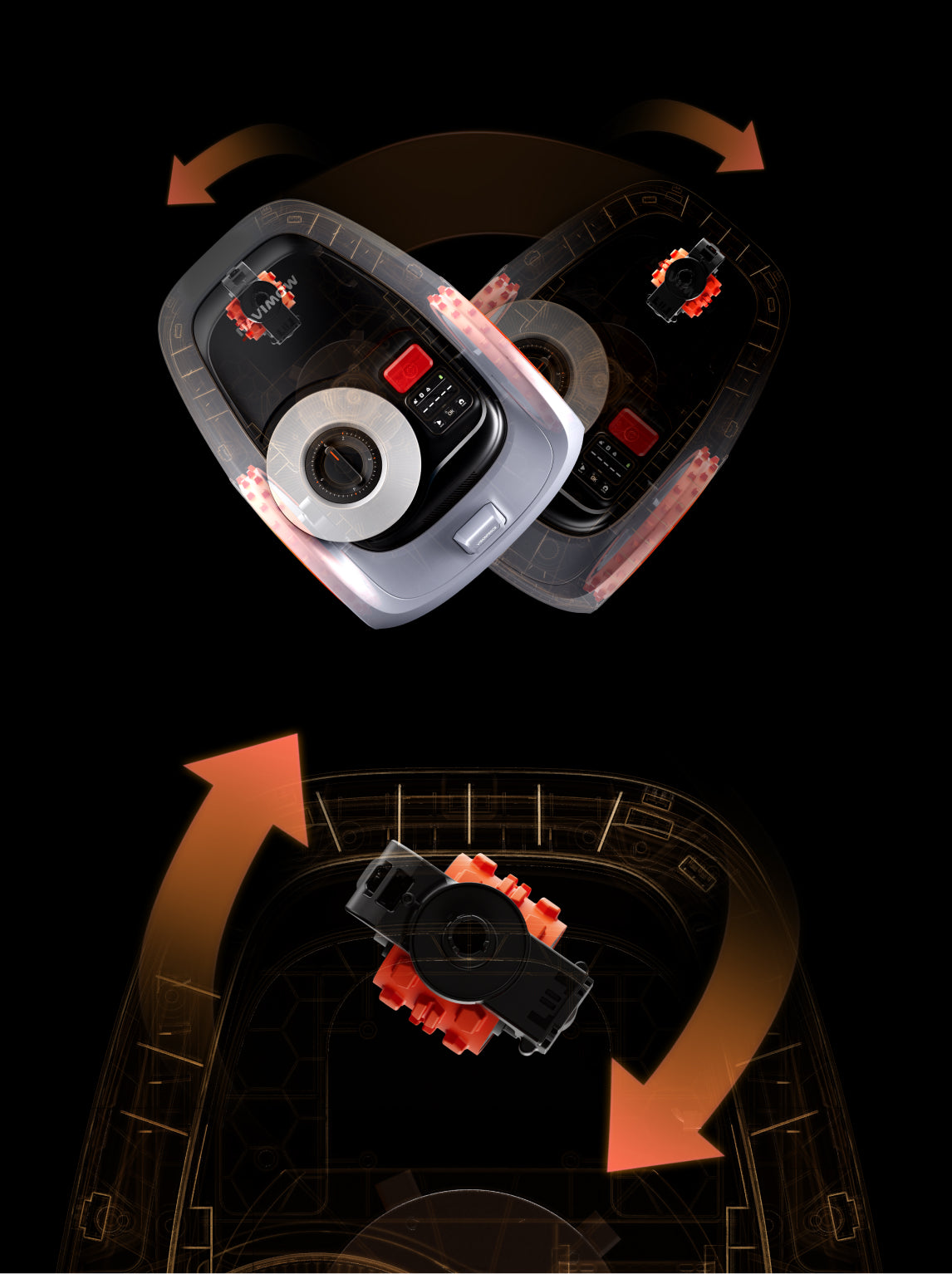
Your time is precious. It's better to switch to a robotic lawnmower. It starts with the push of a button on the application, and it also mows the lawn automatically. Thus, you don't have to do anything. No need to dedicate your weekends to mowing the lawn. Just set the schedule, and it will do everything.
The latest lawnmowers, like Navimow X390, are quite intelligent. They can accurately navigate your lawn without any wires. They can detect obstacles, ensure the safety of pets and children, and mow your whole lawn efficiently. They can even monitor weather conditions in real-time to cut the grass at the right time.

FAQs
What to do if you left gas in your lawn mower over winter?
Drain the gas from your lawnmower. You can use a siphon pump or remove the fuel line from the carburetor. Fill the tank with fresh gas and try to start the lawnmower. If it doesn't start after several attempts, you need to thoroughly clean the carburetor.
Why is my lawnmower hard to start when its cold?
The engine oil of your mowers becomes a bit thicker due to low temperature, which makes it difficult to start. Secondly, the fuel doesn't vaporize as readily as in summer, so the fuel and air mixture doesn't ignite as quickly. These are two reasons behind hard starts during winter.
Is it bad to leave gas in a lawn mower over winter?
Yes, you shouldn't leave gas in your lawnmower for more than 30 days. Otherwise, it will react with moisture and create a sticky residue because of Ethanol. It will clog the carburetor's tiny jets and prevent the mower from starting again.




Share