Some lawn owners are strong advocates of mulching, while some firmly endorse bagging. And this confuses beginners in figuring out which one is actually beneficial.
Both mulching and bagging have their distinct pros and cons. They are meant for different purposes and scenarios. Which means the lawn owner has to pick the right one for their lawn in a certain condition.
To pick the winner in mulching vs bagging, you have to dive into the science behind them. It’s important to understand the purpose, benefits, drawbacks, limitations, and every tiny detail to arrive at the conclusion.
And this is what we will be doing in this article. We’ll help you understand the differences between them and when to choose what.
The Difference Between Mulching vs Bagging
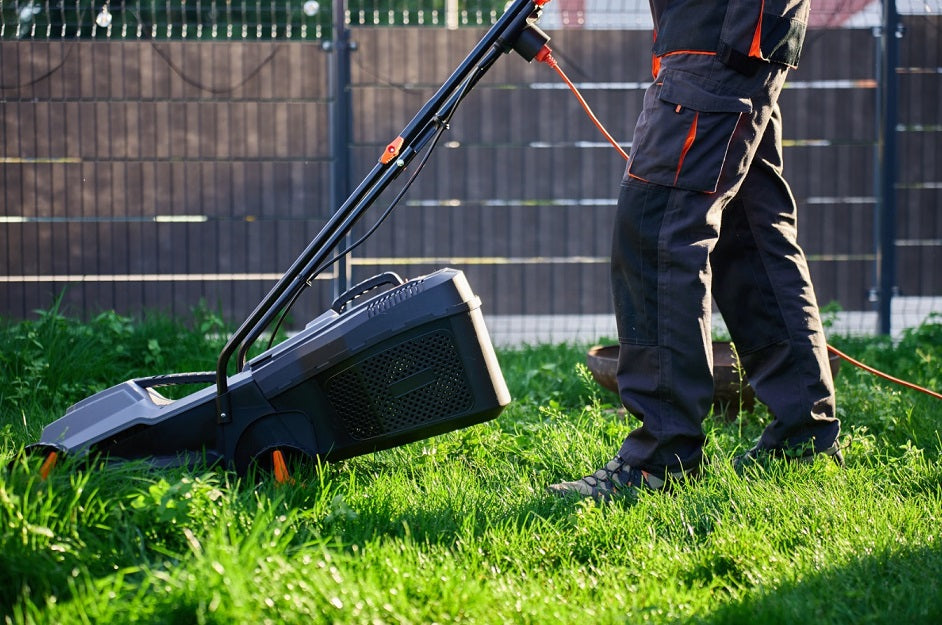
When you mow a lawn, the blades of the mower cut the grass tips. The clippings can either be collected or left on the lawn.
If you collect the clippings in a bag, it’s called Bagging. And if you leave them on the lawn, it’s called Mulching.
Both are extremely simple concepts, but they have different effects on your lawn. Let’s see their advantages and disadvantages to know more about them.

Advantages of Mulching
Easy and Quick
Mulching is easy and quick and does not require extra effort. Just mow the lawn, and the clippings will already spread around. You can mow continuously without stopping.
It reduces the lawnmowing time by up to 35%. That’s the reason if you opt for a professional mowing service, mulching is a less costly option compared to bagging.
Money Saver
We have already talked about how mulching is budget-friendly when professional mowing is required. But it is also a money saver if you are mowing on your own.
For mulching, all you need is a lawnmower. That’s it. You don’t need a rake, leaf blower, bagging attachment, etc. It reduces the overall cost of the equipment.
Reduces Fertilizer Need
The biggest advantage of mulching is that the grass clippings turn into fertilizer. When you leave them on the ground, they decompose automatically over time. They provide essential nutrients, such as nitrogen, phosphorus, and potassium, back to the soil. Eventually, the need for fertilizer is reduced by 25%.

Moisture Retention
After watering, the water on the lawn evaporates because of the sunlight. During summer, this process gets accelerated, and the lawn dries out quickly.
But when you have mulch on the lawn, they prevent the direct contact of sunlight with the soil. Thus, the moisture is retained for a longer period, and the grass gets enough water according to its requirements.
The grass clippings also have some moisture content in them. When they decompose, some part of that also goes into the soil and reduces the water need to a little extent.
Controls Weed
Mulching also helps in controlling weed growth. The mulch spread on the lawn prevents sunlight from reaching the weed seeds. That’s the reason they cannot germinate. It suppresses weed growth naturally, so you don’t need to heavily rely on chemicals.
Since it reduces weed growth, the nutrients and water you provide to the lawn go to the growth of the grass, not the weeds. Eventually, your lawn becomes dense and thick, and leaves no room for weeds.
Environmentally Friendly
Mulching is an environmentally friendly method. By this, it means that the grass clippings return to the soil and naturally decompose. They don’t end up in the landfill and become a source of pollution.
Usually, yards contribute about 12% in the municipal waste. It also includes grass clippings along with other yard wastes, such as leaves, twigs, branches, etc. You can play your part to save the environment by mulching.
Disadvantages of Mulching
Risk of Disease Spread
Mulching has a risk of disease spreading. Suppose a patch or part of your lawn is affected by a disease. When you spread the mulch around from that part, the disease also spreads along with the clippings. Thus, your whole lawn can suffer.
Clippings Could Clump
If the lawn is wet, the clippings clump together. They will stay on the lawn forever and do not decompose. Secondly, they block the sunlight from reaching underneath, and due to damp conditions, there is a risk of mold and fungal diseases.

Specialized Equipment
For excellent mulch results, you need a special mower that has a mulching blade and enough power. The mulching blade will chop the grass finely, but if you don’t have that, your lawn will have large straws everywhere that aren’t going to decompose easily.
Secondly, if the engine power is low, the mower will struggle too much. It will put strain on the engine, so you need a mower specialized for mulching.
Decreases Curb Appeal
The mulch spread reduces the curb appeal. After mowing, the turf will have visible debris, which is not appealing at all. You need to wait for some time and let the debris settle.
Risk of Thatch Buildup
Mulching does not turn into thatch when it is small. But if the lawn is overgrown and you mulch large grass clippings on the soil, they won’t decompose completely. It will contribute to the thatch, and when the thatch layer becomes thick, it blocks nutrients, air, and water from reaching roots.

Advantages of Bagging
The Aesthetics
People go with bagging mainly for aesthetics. It is the standard practice in maintaining golf courses, commercial lawns, etc.
It collects all the debris and grass clippings in the bag, so your lawn looks clean and aesthetically pleasing after mowing. There are no chances of clumps and grass clipping sticking to pants and shoes.

Prevents Disease Spread
When you bag the clippings, there is no chance of disease spread. Even if a part of your lawn is affected by diseases, it won’t spread to other parts as you collect the infected blades with spores, and you can safely dispose of them.
Weed Management
Some weeds have seeds and spores. If you don’t bag them, the seeds will spread to other parts of the lawn. Thus, you might have more weeds in the future.
With bagging, you catch all those seeds. They do not fall on the soil, which makes weed management much easier.
Better Sun Exposure
As you are bagging, there is no debris or grass clippings on the lawn. Your grass gets enough sunlight it needs because it’s not blocked.
It’s excellent for lawns that have shade or less sunlight. It works great with shade-tolerant grasses.
Less Thatch and Debris
The large grass clippings in the soil and other things, such as leaves and twigs, end up increasing the thatch layer. If you bag them, you’ll have less thatch in the lawn. Ultimately, you will have to dethatch less often.

Composting
The bagged grass clippings can be used for composting. You can add them to your compost bin to have a nutritious compost. Once the compost is ready, you can use it in flowerbeds, plants, and anywhere your lawn requires.
Free Organic Mulch
The grass clippings can work as a free organic mulch in your lawn. You can spread it around plants to slow evaporation, reduce temperature swings, prevent soil erosion, block weed growth, etc. You will not have to buy any kind of organic mulch, as it will do the job and make your lawn more aesthetically pleasing.
Disadvantages of Bagging
Increased Time and Labor
Bagging needs more time and effort. While doing it, you have to empty the bag every 10-15 minutes, depending on the mower size and bag capacity.
You need to stop the mower, take the bag out, and empty it in a container or at a suitable place. The bag is heavy and might be a problem for many users. Once the bag is empty, you have to resume mowing. That’s the reason it is more time-consuming, and it requires more effort.
If you don’t have the bagging equipment, you can use a rake or blower to collect the clipping and debris in one place. It requires more effort and time compared to typical bagging.
After mowing, you have to deal with the collected waste. You can either use it for composting or dispose of it according to the local laws. You might have to take it to the local disposal site, which costs time and money.

More Water and Chemicals
If you are not bagging, you will have to deal with the weeds through other methods. You can either pull them out or use chemicals to stop seed germination.
Grass clippings also return their moisture to the soil, which reduces the need for water a bit. But when there is no clipping on the lawn, you must water the lawn properly. Learn how long to water grass.
More Fertilizer Needs
Since you are not leaving grass clippings on the soil, it won’t reduce the fertilizer needs. You will have to depend completely on other fertilization sources, such as organic or chemical fertilizers.
Higher Expense
The expense of the lawn increases as you need more fertilizer, water, and weed killers. And not only that, you must pay an extra charge to municipalities for collecting the yard waste.
Secondly, bagging puts strain on the mower’s engine and transmission. The equipment wears out, and you have to spend money on spare parts and professional repair.
Exposure to Sunlight
The sunlight has direct contact with the soil when there are no grass clippings. It accelerates the evaporation process, and your lawn might not get enough water. Yet, you have to water more often.
Secondly, the sunlight also falls on weed seeds. Which means they can grow easily unless you apply a pre-emergent.
More Landfill
The grass clippings end up in the landfill. They increase landfill volume, which has a certain environmental impact.

When Mulching is Beneficial
Summer Heatwaves
During summer heatwaves, your lawn can dry out quickly. Because of evaporation, the grass will suffer from a lack of water. In such conditions, mulching is helpful. It provides some shade to the soil and slows down evaporation. Thus, the water in the soil stays for a longer period so that the roots can absorb it.
Nutrient Deficiency
If your lawn is suffering from nutrient deficiency, you can do mulching along with adding some fertilizer. The mulching will cover 25% of the fertilizer needs and give your lawn the essential nutrients.
Peak Growth Season
During the peak growth season, your grass requires more nutrients. It grows faster, and you mow it more frequently. Thus, mulching helps in providing the nutrients so that it can continue aggressive growth in the peak season.
Poor Soil Quality
If the soil quality is poor, which means it is mostly clay or heavily compacted, mulching can be helpful. The mulch will feed earthworms and microbes, and they will automatically aerate the lawn to some extent.
Secondly, there will be more organic matter in the soil over time, so it will hold water and nutrients better.
But if the soil is extremely compact, you should do lawn aeration.

Fast-Growing Grasses
Some grasses grow extremely fast and need excessive mowing. They also require more nutrients to support their frequent growth. And this is where mulching becomes extremely helpful. You get clippings every time you mow the lawn, and this becomes an excellent nutrient source.
When Bagging is Beneficial
Wet Lawn
Generally, it is not recommended to mow wet grass. It has adverse effects on your lawn, like soil compaction, uneven cuts, and disease spread. You should ensure the grass is dry enough to cut.
But even then, if you want to mow your lawn, the safest option is bagging. Otherwise, the clippings will clump and make your lawn look worse. They also block the sunlight and create a favorable environment for fungal diseases.
Excess Thatch
If the lawn has thatch, you should consider bagging.
The grass clippings on the lawn can make the thatch layer thicker, and your lawn may struggle to access water, nutrients, and air. That’s why you should consider bagging to prevent thatch buildup.
Lawn Disease
If your lawn or a specific part is suffering from any diseases, you should prefer bagging. It will prevent the spread of diseases in other areas. You can dispose of the infected grass clippings easily.
After bagging, the treatment of lawn diseases also becomes easier. The part becomes more visible for treatment.
Fall Season
In the fall season, you have to collect leaves in the lawn. You need to use a leaf blower or rake. Instead, you can do bagging. It will collect the leaves along with clippings in the bag, and you can dispose of everything without much hassle.

Special Event or Party
In special events and parties, you want your yard to be clean. Bagging ensures your lawn looks aesthetically pleasing. Your lawn is ready just after mowing.
Never do mulching in this case, as the grass clippings decrease the lawn appeal, and they also stick to the shoes and pants of visitors.
Switch to Micro-Clipping and Enjoy the Best of Both Worlds
We have seen the ups and downs of both mulching and bagging. They do offer some benefits, but they also have some shortcomings.
In short, you have to do bagging and mulching depending on the lawn condition, season, and other factors. Doing both seems a simple decision, but it isn’t. You need to have the equipment for both and carefully pick the right method for your lawn.
A better option is Micro-Clipping. These are extremely fine clippings that turn into fertilizer. They do not form clumps or contribute to thatch buildup. And you don’t have to worry about lawn waste.

As they are tiny, they also do not decrease the curb appeal. They are almost unnoticeable and perfect for enhancing the lawn’s health.
Now, the question is how to do micro-clipping.
All you need is a robot lawn mower. These mowers mow the lawn regularly and do not let the grass grow too tall. This is the reason they do micro-clippings, in which the tips are hardly a fraction of an inch.
They also have fine blades that precisely cut micro-clippings and leave them on the lawn. You get an even and clean cut that enhances curb appeal. They free you from choosing between mulching and bagging.
The best thing about robot lawn mowers is automation. They automatically mow your lawn according to the schedule and selected height. So, you don’t need to put in any effort or time. Your lawn will always be ready.
Let’s see some excellent robot lawn mowers for micro-clipping.
The Navimow X4
The Navimow X4 series offers powerful mowers that mow up to 1.5 acres. They are equipped with two 180W motors that can cut thick, long, and dense grass without any hassle. Both motors have cutting discs with six blades, which ensure fine clippings that can easily decompose in the soil.

The mowers have the All-Wheel Drive (AWD), which means they can work on any terrain. They can even mow on slopes up to 84% (40⁰). You can mow pitted surfaces, waterlogged lawns, potholes, gravel paths, and all different surfaces, and do micro-clipping.
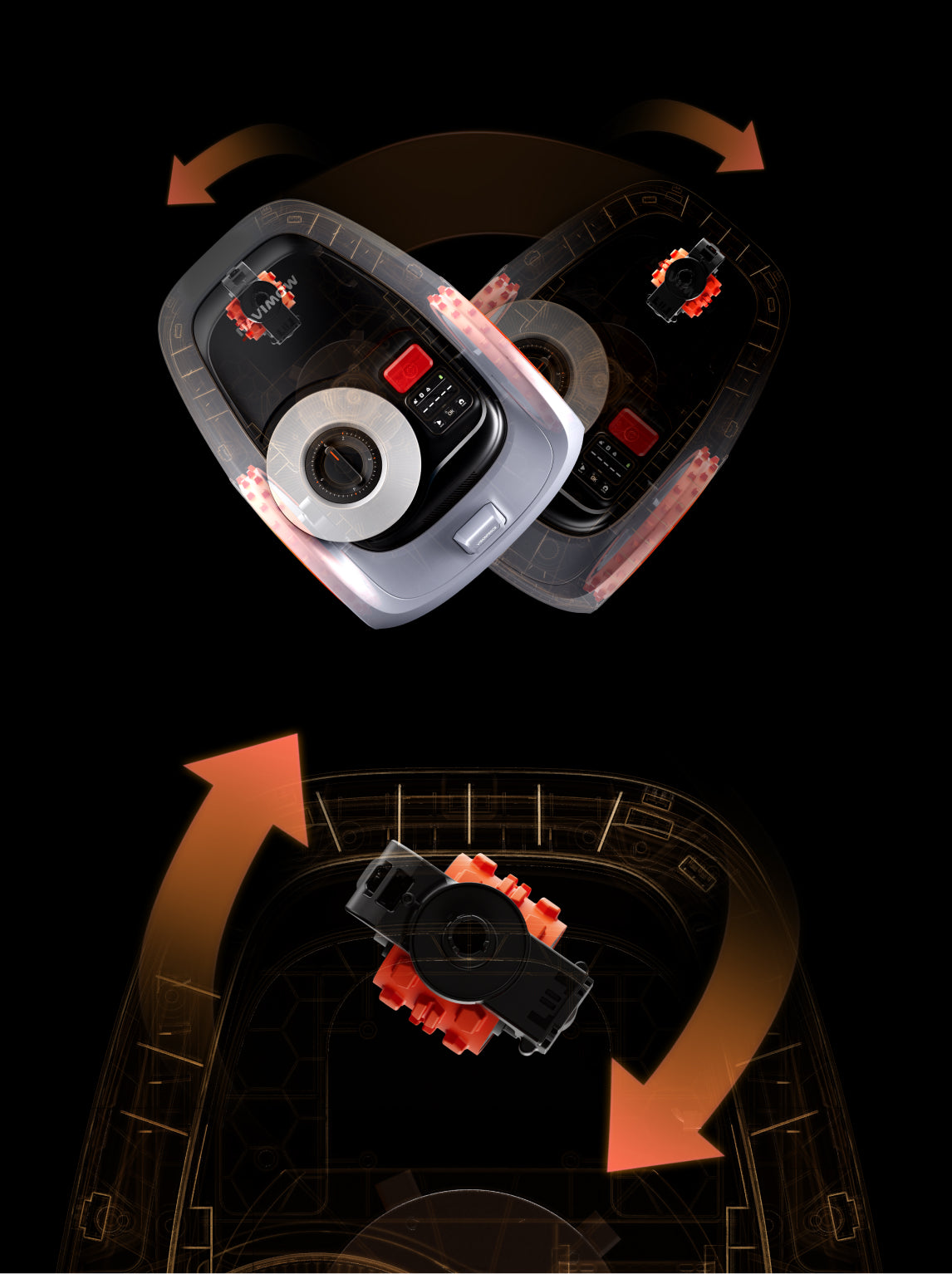
With the Xero-Turn™, they can make 180⁰ turns without damaging your lawn. Which means they do not leave narrow and tight spaces. They cover every corner and edge. The Adaptive Blade System ensures a perfectly even lawn by lifting the blade when there is an uneven surface.

The mowers navigate through EFLS™ NRTK. They precisely navigate your lawn and reach every part. You can control up to 120 zones with them. Moreover, with the latest 360⁰ AI-powered VisionFence™, they detect 200+ obstacles and mow your lawn safely.
The Navimow i2 AWD
The Navimow i2 AWD series allows you to do micro-clippings on small-to-medium lawns up to 0.25 acres. They have five sharp blades on a disc that cut fine clippings from the grass blades and spread them on the same area.
They are also All-Wheel Drive (AWD) mowers capable of working on all kinds of terrains. They can mow on slopes up to 45% (24⁰). Not only that, they have Xero-Turn™ to make 180⁰ turns and mow in tight and packed areas. Thus, you can finely cut the grass everywhere in the lawn.

They automatically map your whole lawn with vision technology. They understand every part to perfectly mow every corner. They also navigate precisely with EFLS™ NRTK and detect 150+ obstacles with VisionFence™.
Final Words
Mulching and bagging are both helpful in maintaining your lawn. But they have distinct benefits, shortcomings, and working scenarios. If bagging is beneficial in one instance, mulching will be beneficial in another. Thus, you have to decide which one to choose to get the best results.
We have explained the difference between mulching and bagging to help you understand what they are and what they do to your lawn. It will make selecting the right one easier. However, instead of selecting one, you should opt for micro-clipping, which not only addresses the issues of both but also combines their advantages. Get a robotic mower, automate lawn mowing, and enjoy the benefits of both mulching and bagging.