Scalping is an extremely time-sensitive lawn maintenance technique. It’s only beneficial for your lawn if you do it at the right time. And if you pick the wrong instance, it could actually damage your lawn.
Some people often think about scalping their lawn before winter. They consider it a reset for the next growing season, and it also makes cleaning the lawn much easier.
But is it safe for your lawn? That’s what we will be discussing in this article. We will explain whether it is good or bad for the lawn and why.
Can You Scalp Your Lawn Before Winter?
No, you cannot scalp before winter. It is not recommended. If you do that, it will be harmful to your lawn. And it will not be able to handle winter. Instead of going dormant, your grass might die.
Thus, you should never scalp your lawn before winter. There is no point or benefit in doing that. No matter what grass type you have, scalping is not recommended before winter.

What Will Happen If You Scalp Lawn Before Winter?
Scalping means mowing your lawn at the lowest height of your mower. The grass is cut extremely short, usually around 0.5-1 inch.
When you scalp your lawn before winter, you expose the crown. The grass tip is gone, and the crown becomes visible.
The crown of grass is the most important part. It’s located at the soil surface. If the grass tips are damaged, they can grow. If the grass roots are damaged, they can recover. But if the crown is damaged, the grass will die.
By exposing the crown, you make the grass vulnerable. And the next season is winter, which can directly affect the crown if the grass is scalped. The crown cannot bear low temperatures, and the dry winters suck the moisture from it. In the end, the grass dies.
Thus, for the safety of the crown, you should not scalp your lawn before winter.

Scalping before winter also leads to nutrient deficiency. Grasses collect sunlight through leaves and store their energy in the crown and roots. They prepare themselves for winter dormancy and use the stored food to survive until spring comes.
When you scalp the lawn, you cut the grass tips that are necessary to receive sunlight. Without sunlight absorption, the grass cannot create its own food. Thus, it starts using its stored energy. And when winter comes, it does not have enough energy resources to survive, which leads to the grass’s death.
When is the Right Time for Scalping?
Scalping is a hard reset. It revives your grass and makes your lawn green faster. However, it is extremely time sensitive. You have to do it at the right time to enjoy its benefits.
The best time for scalping is when the grass is still under winter dormancy but is soon to enter the growing stage in the spring season. It is usually done between February and March, depending on the region you live in.
Keep in mind that scalping is only recommended for specific warm-season grasses. For instance, you can scalp Bermuda grass, but you cannot scalp St. Augustine grass. And if you have cool-season grass, you shouldn’t even think about scalping.
For finding the right time, you need to consider two things. When your lawn is 10-15% green, you can start scalping. And also ensure the soil temperature is between 55⁰F and 60⁰F.

You should not scalp when the grass is actively growing. Scalping is not recommended in winter or summer. The best time is early spring.
How Should You Mow Before Winter?
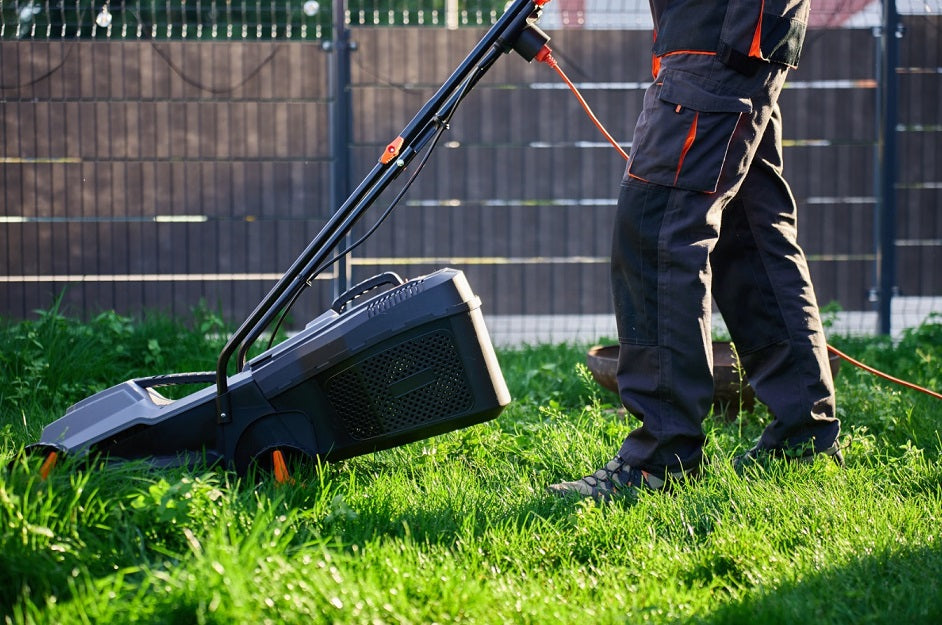
You cannot scalp your lawn, but it does not mean you should not mow. In fact, you have to do the final mow before winter comes. You cannot leave the grass with long blades, as it increases the risk of mold.
You can neither mow too short nor too high. If you cut too short, the grass will be exposed to frost. If you cut too high, the mold will take over.
In most cases, the recommended height is 2 to 2.5 inches. For any specific grass type, you can refer to the best height to cut grass. Leaving the grass at this height is beneficial. The grass blades act as a thermal blanket and protect the crown from low temperatures and frost.
But do not mow your grass at once if it is longer. You must follow the one-third rule to prevent stressing your grass before dormancy. Never mow more than one-third of the grass. Plan mowing in multiple days and lower the deck slightly every time.
For most people, it is hard to mow grass in multiple sessions and dedicate time to other things other than weekends. That’s why it is better to automate lawn mowing with a robotic lawn mower. You only have to set the schedule and grass height, and it automatically mows your lawn. It maintains a perfectly mowed lawn without any effort and ensures the optimal health of your grass year-round.

Before winter, the grass slows its growth and almost stops. When you see there is almost no growth in the last 10-15 days, it indicates the grass has entered dormancy, and you can do the final mow.
What Can You Do Before Winter Instead of Scalping?
Scalping is dangerous for your lawn before winter. If you do that, your lawn might not wake up again in spring. Instead, you can do a few things.
Aeration
Lawn aeration is better than scalping before winter. During the whole year, your lawn bears high foot traffic and the mower’s weight. There are higher chances of soil compaction.
Lawn aeration, specifically core aeration, can reverse it. It pulls out tiny plugs from the ground and creates space for air, water, and nutrient exchange. The roots start to breathe better and do not suffocate under ice or heavy snow.
You can do lawn aeration 4-6 weeks before the first frost. If your lawn is not compact, there is no need to do aeration. You can wait for the active growing season. For more details, check out our lawn care calendar.

Mulching Leaves
Mulching leaves is beneficial for your grass before winter. It acts as a free fertilizer and provides the grass with essential nutrients.
People often scalp their lawn to clean it easily. They rake the leaves without any hassle. But it is harmful to your lawn.
Instead of doing that, you can mulch those leaves. When you break them down into smaller pieces and leave them on the soil during winter, it offers the soil nutrition. It’s a layer of nitrogen and carbon.

Fertilizer
Your lawn has to be prepared for winter dormancy. And it is best to give it fertilizer before winter comes. It helps the grass to build nutrient reserves to survive through the winter.
Whether you have cool-season or warm-season grass, you can apply fertilizer in the fall, and ideally in September-October. You can apply a high-potassium fertilizer.
Final Words
Scalping is not recommended before winter. It can damage your lawn by exposing the grass crown to the low temperatures and winter frost. If you scalp before winter, your grass will die. Instead of entering dormancy, it will die due to extreme temperature and dehydration. And it will not wake up in the spring season. We have explained why it is bad to scalp before winter and what you can do instead. Your lawn just needs a final mow before winter frost to survive through the harsh season.