Bermuda grass is the go-to option for warmer climates. They are excellent when it comes to handling foot traffic, aggressive growth, and heat/drought tolerance.
For better growth and health of Bermuda grass, lawn owners usually do scalping. However, due to some myths and misconceptions, some lawn owners think scalping can damage their Bermuda grass.
Let’s see what scalping does to Bermuda grass. We will discuss if it is the right choice, how it benefits your lawn, and when you can do it to get excellent results. We will also explain the right way to scalp Bermuda grass and how to take care of it to witness a healthy, lush green lawn year-round.
What is Scalping?
Lawn scalping means mowing grass at the lowest height of your mower, which is usually 0.5 to 1 inch. You don’t have to follow the one-third rule here, as the goal is to make the grass as short as you can.
You mow way less than the recommended height of the grass. It is a common lawn maintenance technique that removes dead grass blades and debris from the lawn to invite new growth.
Removing dead grass is actually beneficial for your lawn. If you don’t do that, the dead grass will mix with the soil and increase thatch. If the thatch becomes too thick, it blocks water, nutrients, and oxygen, and the grass suffers.

When you do lawn scalping, it exposes the soil to the sunlight. The grass receives more light and produces enough food. It not only enhances the growth rate but also makes the grass blades thicker and healthier.
It also improves fertilizer absorption. Because the soil is uncovered, it has better contact with the fertilizer. The grass gets essential nutrients to grow quickly.
Along with that, it helps in preventing pests and fungal diseases. Better air circulation and sunlight prevent damp environments. Secondly, the pre-emergent you apply also becomes more effective as it is absorbed in the soil and prevents weed growth.
Usually, scalping is done for warm-season grasses. It helps in making the lawn greener after winter dormancy without the need for chemical fertilizers. Let’s see what it does to Bermuda grass.
Can You Scalp Bermuda Grass? Is It Necessary?
Yes, Bermuda is a warm-season grass that responds well to scalping. In fact, it is necessary if you want to achieve a healthy, lush green lawn.
Scalping is aggressive mowing. But Bermuda grass can handle the stress and recover from it very quickly. You can go extremely low with your mower without any worries. It is beneficial for your lawn, and within a minimal time, you start seeing excellent greenery and faster growth.
After winter dormancy, it is important to scalp Bermuda grass. It triggers the grass to grow actively and makes the lawn green faster. It serves as a hard reset and revives your lawn quickly. It grows via Stolons (above-ground runners) and Rhizomes (below-ground runners). Thus, when you scalp, the new grass quickly covers your whole lawn.
Scaling Bermuda also reduces the chances of thatch. After scalping, you can bag the dead grass, so it does not mix with soil. It helps with managing the thatch layer. Otherwise, you might need to do dethatching.

People who do not scalp their lawns while having Bermuda grass have complained about yellow blades, increased pests, and slow growth in the spring season.
The yellowish blades are actually the old grass. When you mow the lawn, the green tips are cut, and the yellow blades are uncovered. That’s why it is better to get rid of the dead or old grass before the season starts.
If you don’t do scalping, the soil of Bermuda grass remains damp. It is because the dead grass blocks sunlight. It creates a favorable environment for pests and fungal diseases. Scalping reduces the chances of these issues.
Spring delay is a common complaint of lawn owners. When you don’t scalp your lawn, it takes longer to get green. Thus, if you want to push new growth, scalping is mandatory.
When to Scalp Bermuda Grass?
It is necessary to find the right time for scalping. If you do it too early, the lawn will suffer from frost damage. And if you do it too late, it will be too stressful for the grass.
Scalping of Bermuda grass is done in the late winter to early spring, which is February through March. The best time differs according to the region you live in.
It’s quite easy to find the right time for scalping. Firstly, you should check if the ground has started turning green. When the lawn is about 10-15% green, you can start scalping. Secondly, you should check the soil temperature. The favorable time is when the temperature stays consistently between 55⁰F to 60⁰F.

But keep in mind that there are also chances of the spring frost. If it happens after scalping, it could badly affect the grass. Thus, you can look at the forecast and ensure there is no frost in the next 10 days.
Scalping is good for Bermuda grass, but you should never do it if your lawn is under stress and suffering from a disease. Solve other issues first before scalping.
And if you have missed the best time and your lawn has turned green more than 50%, you should aim for the next year.
How to Scalp Bermuda Grass?
Step 1: Preparation
Clean your lawn. Remove sticks, leaves, and stones from your lawn. Get rid of foreign objects, like toys, chairs, etc. Make sure everything is clear so that you can run the mower without any hassle.
For excellent results, you need a sharp mower blade. Check the blade and see if you need to sharpen it. If it is in pretty bad shape, it is better to replace it. Refer to how to sharpen lawn mower blades and how often to change lawn mower blades.
Last but not least is your own safety. Wear gloves, a mask, and eye protection. It’s also good to wear boots.
Step 2: Mow the Lawn
Attach the bag to the lawn mower. If you don’t have a bag, you will have to do deep cleaning after scalping.
To make scalping easier, it is better to shorten the grass blades. You can mow at a height of 2 inches.
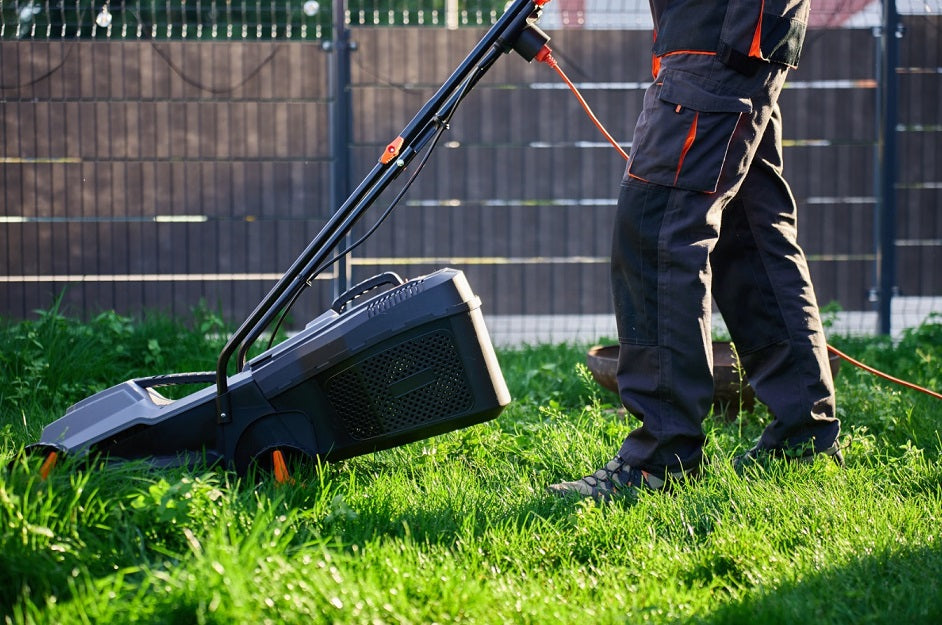
Set the mower at the lowest setting. For Bermuda grass, you can go with 0.5 to 1 inch. Start mowing the lawn.
Follow a specific pattern for an even cut. Once you are done with the first pass, do another pass, but this time perpendicular to the previous one.

Step 3: Cleanup
Scalping produces a lot of mess. You will see grass clippings and debris everywhere. Even if you attach the bag, you still need to do cleaning. However, it would be easier if you bagged earlier.
Manually rake the whole lawn. Gather the debris at specific locations. Finally, bag everything and dispose of it.

How to Take Care of Bermuda Grass After Scalping?
The grass undergoes stress after scalping. That’s why you have to take care of it for better results.
Fertilization
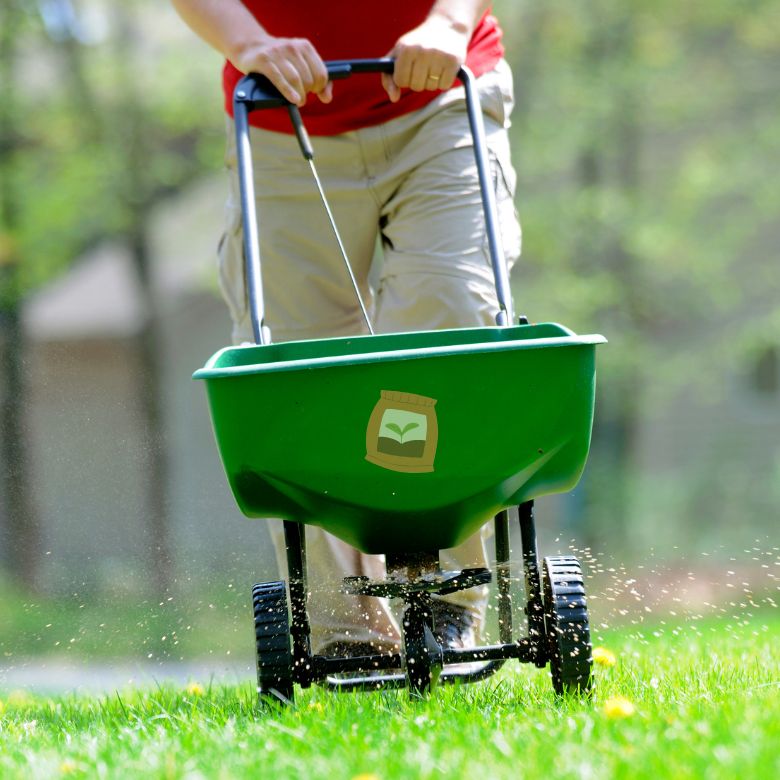
It’s the best time to give fertilizer to your lawn. The soil is exposed, so the fertilizer has direct contact and can reach the roots easily. Opt for a high-nitrogen fertilizer to provide essential nutrients for quick growth. You can do it within 24-48 hours of scalping.

Weed Prevention
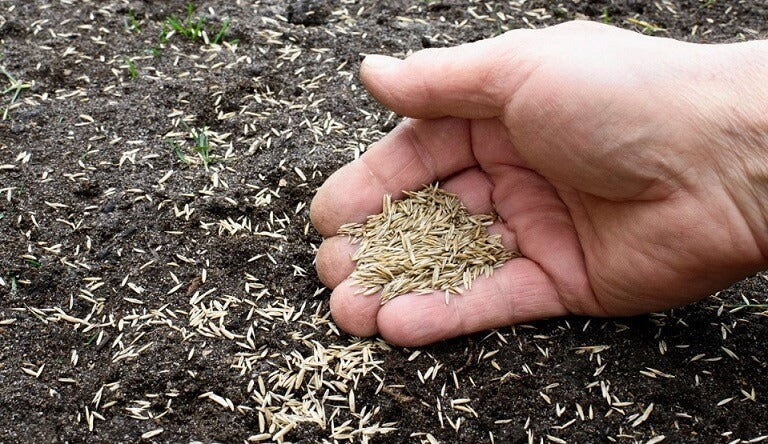
Scalping helps you get rid of weeds. But they can still grow again. The sunlight can also promote weed germination. So, you have to apply a pre-emergent herbicide to prevent them from growing again.
Watering
After scalping, the lawn needs more water than usual. The reason is that it is exposed to the sun, so the water evaporates quickly. It causes Bermuda grass tips to dry out. Thus, you should water your lawn deeply and ensure it stays moist. For more details, check out how long to water grass.

Regular Mowing
Scalping is a one-time job. Then, you have to mow your lawn regularly. Keep the height of Bermuda grass 1.0 – 2.0 inches during summer. Before winter, you should lower the mower and maintain 1.0 – 1.5 inches.
Keep in mind that you should follow the one-third rule, which means you should never mow more than one-third of the grass blade (scalping is an exception). It will stress the grass.
For most lawn owners, maintaining the best height to cut grass is difficult. The primary issue is time, and they have to dedicate their weekends. The best way is to get a robotic lawn mower. You can set the schedule and mowing height, and it maintains your lawn. You don’t need to put in any effort. It mows your lawn, recharges automatically, and gets ready for the second.

Final Words
You can scalp your Bermuda grass with confidence. It will make your lawn green quickly and ensure optimal growth. You can enjoy all the benefits we have discussed. However, you have to do it at the right time of the year. It’s extremely time-sensitive. Secondly, you have to do everything the right way and follow the steps for scalping. Last but not least is the extra care. Your scalped grass needs fertilizer, herbicide, water, regular mowing, etc. If you do everything right, you will have the best Bermuda grass lawn in the neighborhood.