Have an old lawnmower sitting in the garage that barely starts? Well, you cannot simply drag it to the trash. Gas models contain fuel/oil. Electric units contain batteries. And they’re extremely bulky. Add to that restrictions on how such equipment must be disposed of.
That leaves one thinking, how can I get rid of my old lawnmower?
That depends on your mower's condition. A working mower may still have resale value or may be donated. A non-running one may qualify for scrap recycling. Some retailers also accept trade-ins. So, where do you start?
This guide covers all practical methods (with insights) to get rid of old lawn mowers. It also adds on what you might consider next if you are replacing it - alternatives that require less maintenance and are easier to manage long-term.
1. Resell via Marketplaces
If your mower still runs, this should be the first thing you try. Through the right online channel, you can recover a decent chunk of what you originally paid.
The best platforms to reach local buyers are Facebook Marketplace, OfferUp, and Craigslist. Of these, Facebook Marketplace tends to move things fastest, especially for bulky equipment that buyers want to inspect in person.
Before you list it, clean it. This may sound obvious, but it makes a measurable difference. One seller reported that a mower sat for two weeks without a single offer. After cleaning the deck, engine, and wheels, he reposted the same listing at the same price, and it sold the next day.
For pricing: research similar listings in your area to set a fair price based on your mower's condition and age, and leave a little room for negotiation. Overpricing is the most common reason a listing sits untouched for weeks.
Another thing worth knowing: spring and early summer are peak months for mower sales, when people are actively thinking about their lawns. If you're sitting on an old working mower right now and it's late in the season, we suggest waiting rather than dropping the price out of frustration.
2. Sell It to a Scrap Yard
If the lawn mower won't start, engine seized, frame rusted out, then the scrap yard is the next option considered. You won't get a lot of money, but you'll be able to get rid of it legally and responsibly.
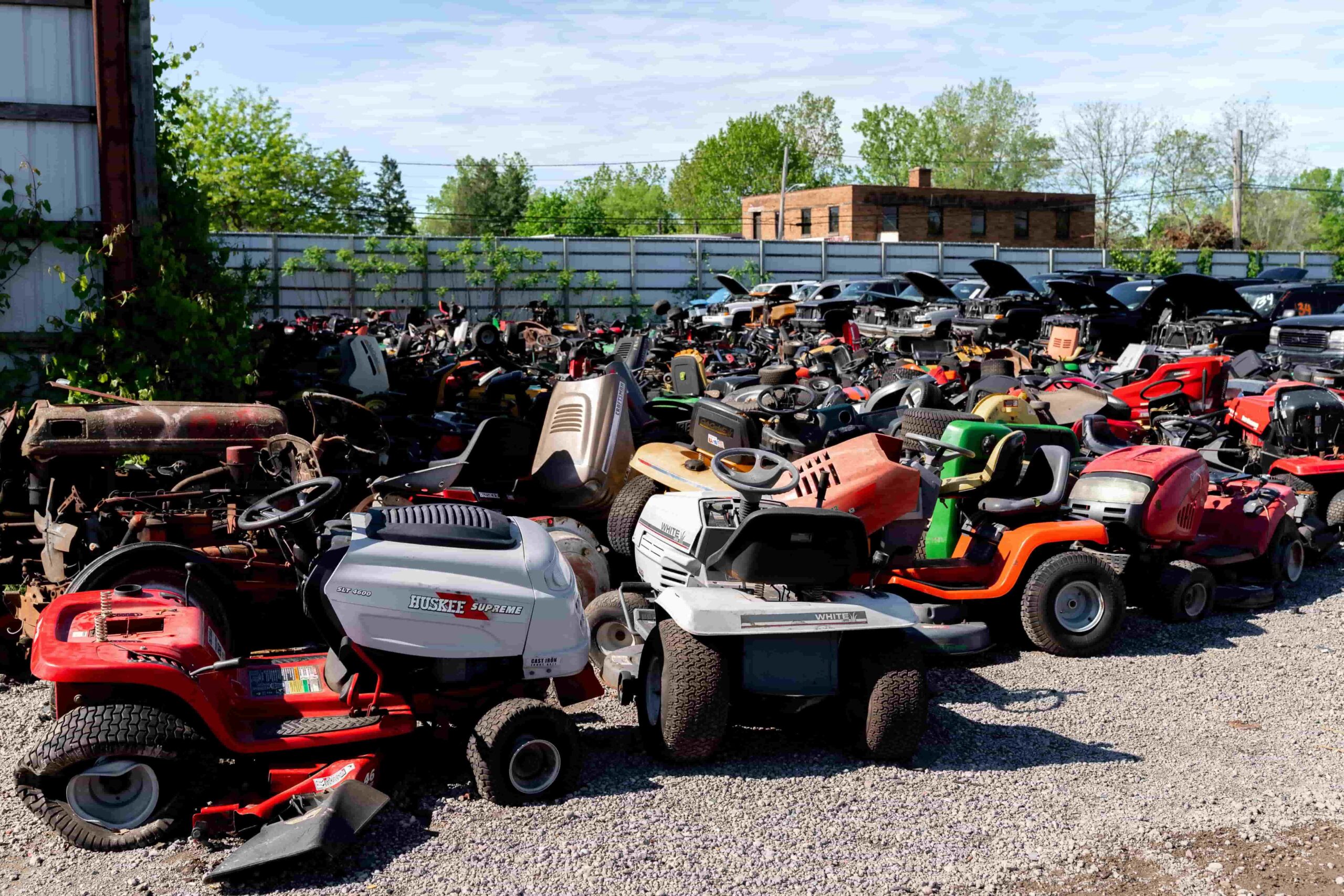
Lawn mowers contain valuable metals(aluminum, steel, and copper), and most scrap metal dealers pay based on current market prices, which can fluctuate daily. The payout depends on the size of the mower, what it's made of, and what metal prices happen to be doing that week. You may expect to get somewhere between $30 to $80 on average.
Things are a little nuanced here as well. Scrap yards typically deal in two categories: clean metal and dirty metal. Clean metal has been separated and is ready to process. Dirty metal, which is what a whole mower is, contains mixed materials and requires more processing, so it pays significantly less. If you want to maximize your return, pull the aluminum engine block off separately before you go. Aluminum pays more than steel by weight.
That said, if you don't have the tools or the time, most scrap yards will accept a complete mower as-is. Just call ahead to confirm, drain the fluids, and remove the battery if there is one, since some yards will actually buy that separately.
3. Recycle Through Junk or Waste Services
You might not know this, but there's an entire category of service providers whose job is to come to your house, pick up your old mower, and handle all the disposal for you. But that means you’ll be paying instead of receiving.
There are multiple junk removal companies: 1-800-GOT-JUNK, LoadUp, Junk Ring, etc. You may find multiple more by searching online. We suggest going with one that operates in the local area, and their prices are more reasonable, because after all, you plan to just dispose of it.
These services make the most sense when you have a riding mower too heavy to load yourself, when you don't own a truck or trailer, or when you don't want to spend a Saturday dealing with it.
If you'd rather not pay at all, check your municipality first. Some cities offer bulk waste pickup where you can schedule workers to collect large items like lawn mowers directly from your home. Some do it for free as part of regular waste services.
Search your city's website for "bulk item pickup”, “large item disposal”, or “safe disposal events”. It's often more available than people realize.
4. Donate it to a Friend
At times, it’s great to just donate, considering it a good deed. You'd be surprised how many people in your immediate circle need a mower and just haven't said anything. A new homeowner on your street, a neighbor whose machine just died, a family member dealing with their overgrown backyard.
Ask friends, family, or neighbors if they need a mower, or if they know someone who does. If you don't have an immediate taker, consider giving it to a church, animal shelter, community garden, or local organization that could put it to good use.
5. Trade-In
If you're already planning to buy a new mower, a trade-in is also worth exploring. You get some credit toward your new purchase, and the dealer either refurbishes the mower for resale or uses it for parts.
But don’t go with high expectations. Big stores like Home Depot and Lowe's don't currently have dedicated trade-in programs for lawn mowers. They primarily focus on selling new equipment and generally don't have the infrastructure to manage trade-ins. Your best shot is an independent or brand-authorized local dealer.
6. Park It on the Curb With a “Free” Sign
The lowest-effort option on this entire list. If you just want it gone and don't care about getting anything back, this works.
Drain the fuel and oil first. After that, write FREE on a piece of cardboard, set it next to the mower, and wait.
Most of the time, people can't pass up something that's free. You may post it in the free section of Craigslist as an extra push to get it off your property faster.
What to Get Next: Robotic Lawn Mowers?
So, you got rid of that bulky, oily mower. What's next? Let me introduce you to the smarter option: robotic lawn mowers.
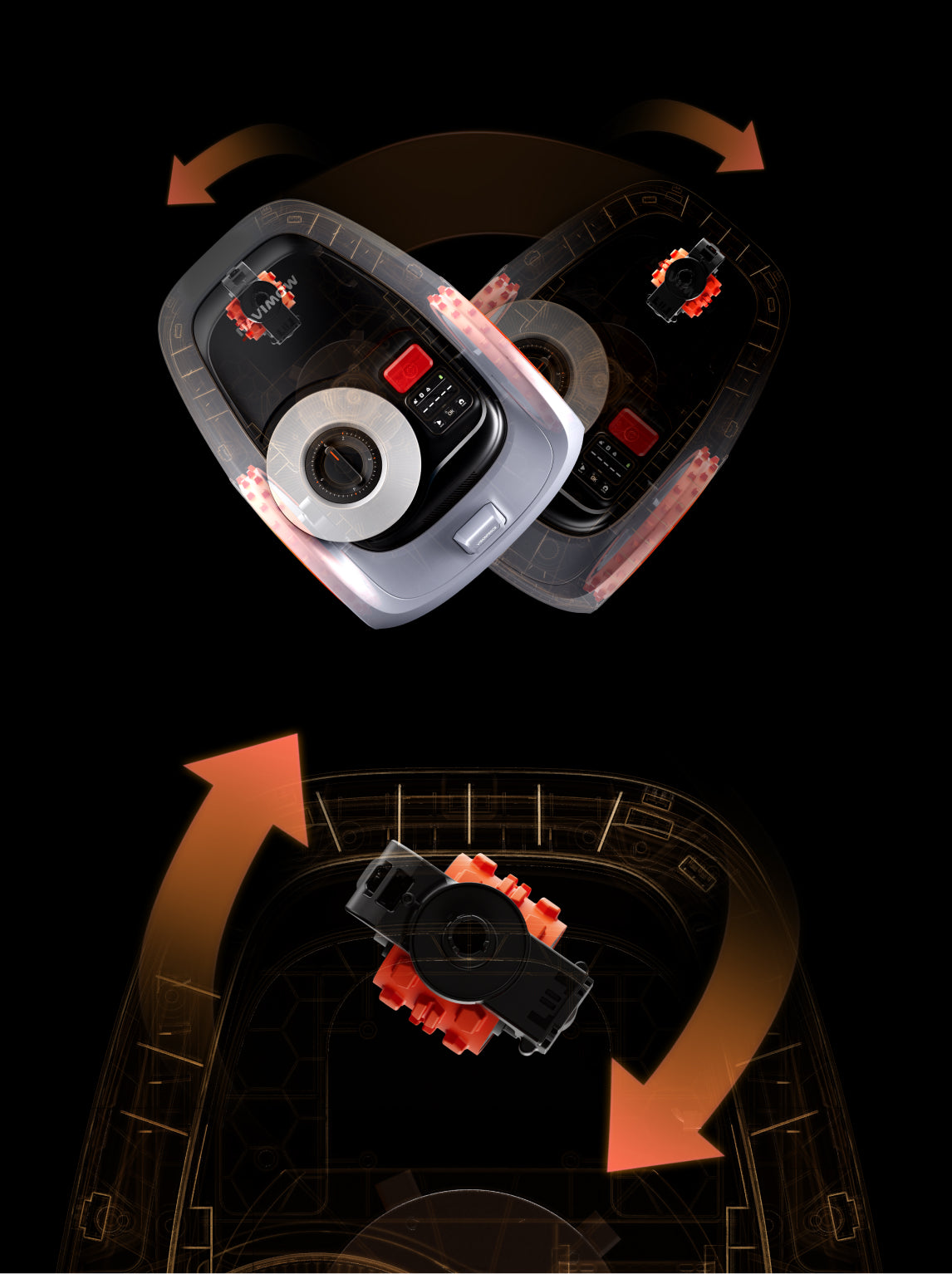
It's not exactly new technology. Robotic mowers have been around long enough to prove their worth and reliability over the years. And what makes them genuinely worth the switch is the autonomy; they mow on their own schedule, return to their charging dock automatically, and can be controlled remotely via an app.
That combination of automated charging, flexible scheduling, quiet operation, and hands-free mowing makes it one of the few outdoor equipment investments that actually reduces your workload long-term.
If you're ready to explore your options, check out Navimow’s latest collection of robotic lawn mowers. You already did the hard part, getting rid of the old one — might as well replace it with something that does the work for you.