As a lawn owner, you wouldn't like to see moss taking over your lush green lawn. It grows in patches where you wish to see healthy grass.
To get rid of moss in the lawn, identify the cause of its growth and treat it accordingly. But that's not it. You also need to fix the condition that's encouraging moss growth and allowing it to thrive.
This article is all about understanding the reason behind moss in your lawn, treating it the right way, and ensuring it doesn't come back in the future.
What Does Moss in the Lawn Mean? Is It Harmful?
Moss in lawns is an indication that something is wrong with the grass. It's neither an invader that has come to kill your grass, nor does it release anything harmful or toxic into the soil.
It grows when the grass is already too weak. That's why it's called an opportunist. When it sees that the grass is unable to defend its territory, it begins to grow.
Once you see moss in the lawn, it means there is an issue with the grass or soil. The lawn could be waterlogged, the soil could be too compact, the pH of the soil could be disturbed, or there could be too much shade in that area.
You shouldn't panic after seeing moss. It won't harm your lawn. But it's better to fix the issue your lawn is dealing with as soon as possible. Otherwise, the grass will become thinner over time, and you will have bare patches.

Moss does not steal nutrients from your grass. It feeds itself from water and nutrients in the air. But when the moss layer becomes too thick, it blocks the access of water, air, and fertilizer from reaching the roots of the remaining grass. And that's what makes the grass thinner.
Another issue with moss is that it holds a lot of water, so when you walk over it, you feel the bounce or spongy effect. Moreover, it might die in extreme summer and leave your lawn with bare patches, which affects the aesthetic appeal of your grass.
The fun fact is that sometimes, it's better to have moss. When any area of the lawn is too shady, and even the shade-tolerant grasses can't survive, you can leave the moss in that area. It will keep your lawn green without needing any fertilizer or mowing.
When is the Best Time to Get Rid of Moss?
Before you try to get rid of the moss in the lawn, know whether it's the right time or not. Ideally, you should treat moss in the early spring or early fall. There is no specific month; it could be March-April or September-October, depending on where you live.
Moss also likes this time because of the mild and damp weather. But the actual reason for treating moss at this time is that grass actively grows in these months. Once you treat the moss, the grass can grow in the area and recover from the treatment stress.
Before you start treating moss, make sure the grass is actively growing in other areas. The soil should be moist enough to provide enough water for grass recovery. Then, you can start treating moss.

Do not treat moss in deep winter or mid-summer. In winter, the grass is already dormant and can't grow to fill the empty space. Let the moss stay till the early spring.
If you treat it in mid-summer, it will be difficult for the grass to grow quickly because of drought and heat. There are higher chances that the bare soil will be taken over by weeds.
Figure Out the Reason for Moss Growth
If you want to treat moss and don't want it to come back after some time, figure out the reason for moss growth. Moss is an opportunist, and there must be a reason it has grown in that area.
Here are a few common reasons.
Poor Drainage/Waterlogged Lawn
Often, people witness sudden, excessive moss growth after rainfall. That's because your lawn has poor drainage. The rainwater sits on the lawn for a long time and makes it waterlogged.
Undoubtedly, your grass needs water, but too much water can actually prevent oxygen from reaching the roots. The grass suffocates in these conditions and can't grow.
But this is a favorable condition for moss. It absorbs moisture through its leaves and has plenty of water to stay hydrated. It takes over the waterlogged space in your lawn and thrives.

Soil Compaction
If your lawn is experiencing moss without excessive shade, it's likely due to soil compaction.
Over time, the soil in your lawn gets compacted. The mower's weight and high foot traffic eliminate pores in the soil, and there is no space left.

Soil compaction leads to various issues. Firstly, it does not allow water, air, and nutrients to reach roots. Thus, your grass starts to struggle and becomes weak over time.
Secondly, there is no proper drainage of water as there are no pores left. So, the water stays on the lawn, and the soil stays damp for a longer period.
All these things create a favorable condition for the moss. When the grass can't grow because of soil compaction, moss grows in that area. Keep in mind that moss does not have true roots. It has tiny anchor filaments called rhizoids that sit on the top of the soil. They have no issue growing in compacted soil.
Too Much Shade
Most grass types need at least 6-8 hours of daily sunlight to thrive. However, some shade-tolerant grasses need 4-6 hours of sunlight.
But if there is too much shade and the grass can't receive enough sunlight, it will become weaker over time, and that's when moss takes its place. Moss can grow under shadows, as it can even produce its food in low-light conditions.

Bad Mowing Habits
As a lawn owner, you must mow your grass on time and ensure the best height to cut grass.
Some owners don't care about optimal height and often end up cutting too low, a practice called scalping. And that's when the problem starts.
Ideally, you should never cut more than one-third of the grass at a time. Cutting more than that puts the grass under stress. Eventually, the grass starts using its energy to regrow the top part instead of its roots.
If you have mowed too low, the grass can't recover from the stress, and it becomes weak, which is a direct invitation to moss.
Moss is a low-profile plant, and it prefers to stay just above the soil. Therefore, short grass is favorable for it. Secondly, when grass blades are short, spores land directly on the soil and help moss spread further.
Further reading: One Third Rule for Mowing
Acidic Soil
Grasses thrive in soils with slightly acidic to neutral pH levels, which means between 6.0 and 7.0. If the soil is too acidic, suppose the pH is 5.5, the grass cannot survive.
The issue with acidic soil is nutrient lockout. The bonds between the essential nutrients and soil become so strong that grass roots can't absorb them. Even if you apply more fertilizer, the grass won't be able to digest it.
Secondly, grass also needs beneficial bacteria and fungi to break down organic matter. In highly acidic environments, these good microbes can't survive, and the lawn's health deteriorates.

If the soil pH level is below 5.5, the aluminum in the earth becomes soluble. It's toxic to the grass roots and can stop their growth. And when roots can't grow, they cannot absorb water from the depths.
Thus, because of high acidity, grass cannot grow. That's where the moss comes in. It is not affected by nutrient lockout as it absorbs nutrients and moisture from the air. It prefers thriving without good microbes for less competition. Even the aluminum solubility does not affect moss, as it does not have a complex root system. It can spread freely across the lawn surface.
How to Get Rid of Moss
Kill Moss and Rake
If you want to get rid of moss in your lawn quickly, you can apply a moss killer and then rake it.
Iron sulfate (ferrous sulfate) is a very common moss killer that's also used for commercial purposes. It's quite effective in killing any type of moss in your lawn.
When you apply iron sulfate to moss, it dries it out. Thus, the moss suffers from water shortage and dies quickly. The best part is that it does not harm your grass or lawn in any way. It's completely safe for the grass.
After applying iron sulfate to the grass, let it work. Within a few hours, it will dry out the moss and turn it black. It will kill the moss within 24-48 hours.
Keep in mind that iron sulfate contains some corrosive substances that can lead to skin and lung irritation. Use proper PPE while applying them to moss. Also, iron sulfate can stain concrete driveways, patio stones, or wooden decks. It will leave a permanent, rusty orange stain. If it falls on such surfaces, use a brush to clean them before turning on your sprinkler.
If you don't want to use chemicals, you can use some household items to get rid of moss. Mix 2–4 ounces of a standard dish soap with a gallon of water and spray it over the moss. It will cause dehydration in the moss to kill it.
Another option is baking soda. Dust it directly on moss, and it will change the pH level. Eventually, it will improve fertilizer absorption and let the grass grow and overcome moss.
Once you have killed the moss, wait for 7-14 days and then rake it. This waiting period is necessary to ensure the moss is completely dead. If you rake it when it is still alive, you will spread the spores in other areas of the lawn. For small lawns, you can use a manual spring-tine rake, and for large lawns, go with a powered scarifier.

Aerate Lawn
Soil compaction is the common reason behind moss, and we have already discussed the problems it creates.
Now, to reverse soil compaction, you need to do lawn aeration. In this process, you pull out tiny plugs from the soil. It relieves soil compaction and allows better air, water, and nutrient exchange.
Once these holes are created, the soil automatically gets loosened. The pores develop, which improves drainage and nutrient absorption.
Use a core aerator for better results. For a small lawn, you can use a manual aerator. But if the lawn is large, you need to rent a power core aerator.
Further reading: Should you aerate your lawn in spring?

Balance pH
Acidic soil doesn't let your grass grow. You need to increase the pH level and maintain it between 6 and 7.
Firstly, use a pH tester to know the exact pH of the lawn. If it is too acidic, which means below 6.0, you can opt for Garden Lime (Calcium Carbonate). It's a base that can increase the pH.
Use Calcitic Lime to increase the pH and add calcium to the soil. Another option is Dolomitic Lime, which also increases the pH but adds magnesium.
Keep in mind that adding lime does not kill moss. It actually improves fertilizer absorption, and your grass begins to grow.
How to Prevent Moss in the Future
Even after dealing with moss, it could come again. There is no chemical or method to permanently get rid of it. Thus, you must take care of your lawn to avoid moss in the future.
Consider Overseeding
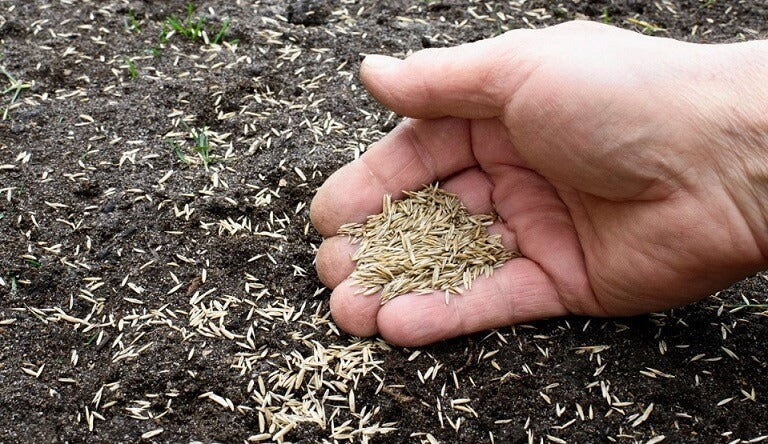
The first technique is overseeding. If you see any lawn area getting thinned, overseed it. It will allow new grass to grow and make the lawn thicker, preventing moss from growing.
Here is a complete guide on how to overseed lawn in spring.

Water Properly
You can neither water less nor more. Less water will make your lawn thirsty and halt its growth. And more water will keep the soil damp for a long time and make it waterlogged.
Learn how long to water grass and calculate the adequate amount to water your lawn properly.
Fertilize the Lawn
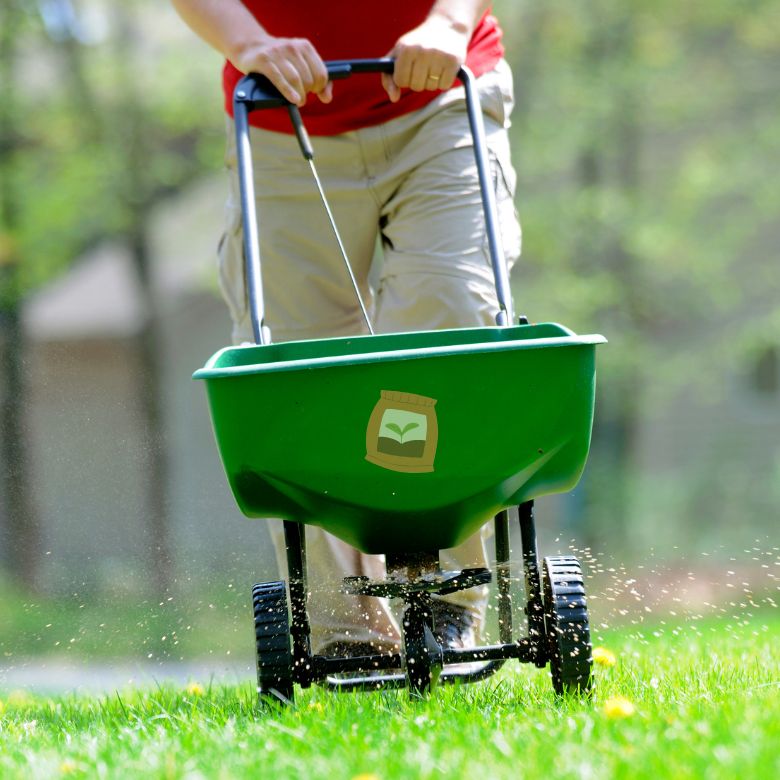
Fertilizing provides essential nutrients for the grass to grow. Use a slow-release nitrogen fertilizer in the spring and fall to keep the turf thick.
When grass grows actively like a carpet, it does not leave any space for moss to grow.

Improve Sunlight
Improve sunlight in your lawn. If there are large trees with branches that are blocking sunlight, consider trimming them.
Grass needs 6-8 hours of daily sunlight to thrive. If you don't improve the sunlight, the grass will suffer, and moss will grow again.
In shady areas, consider growing grasses that grow in shade and require less sunlight to thrive.
Mow Your Lawn the Right Way
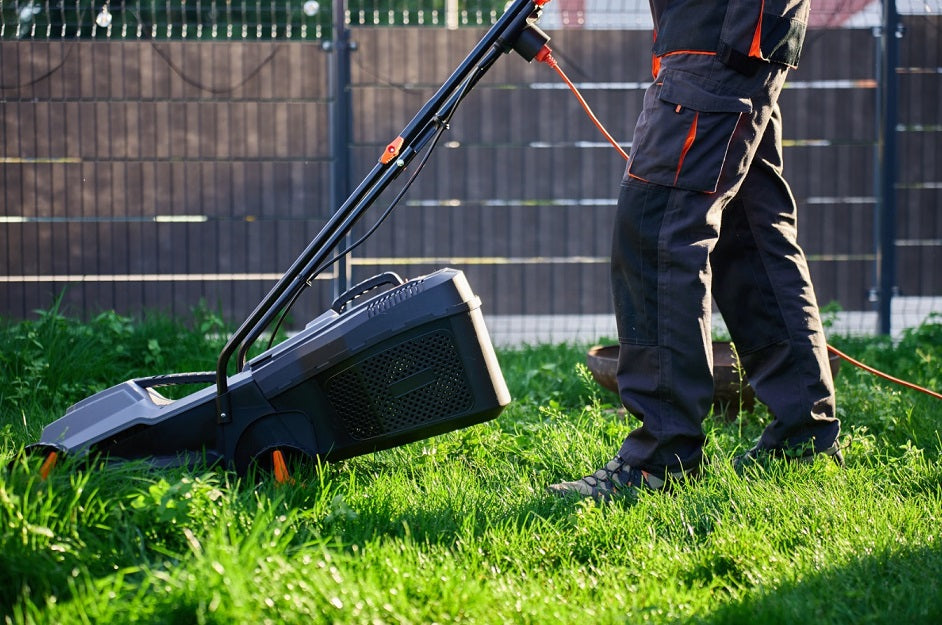
To prevent moss, do not mow too low. Avoid scalping and mowing grass shorter than the recommended height. Secondly, do not let your lawn overgrow, as it can trap moisture and invite mold. And whenever you mow, always follow the one-third rule to save your grass from stress.
It's difficult for lawn owners to keep to a strict schedule and maintain the optimal grass height. Often, they spend their weekends, but sometimes they miss mowing their lawns.
All these things let the lawn overgrow, and when you cut long grass at once, you end up stressing it, and this invites moss.
The best way to keep your lawn perfectly mowed is to get a robot lawn mower. It automatically mows your whole lawn according to the schedule, even if you are away. You can set the optimal cutting height, and it precisely mows every part of the lawn accordingly.
Robot mowers do fine-clipping of the grass blades. The clippings remain on the lawn and break down into fertilizer. It makes the grass dense and leaves no space for moss growth.
The Navimow X4
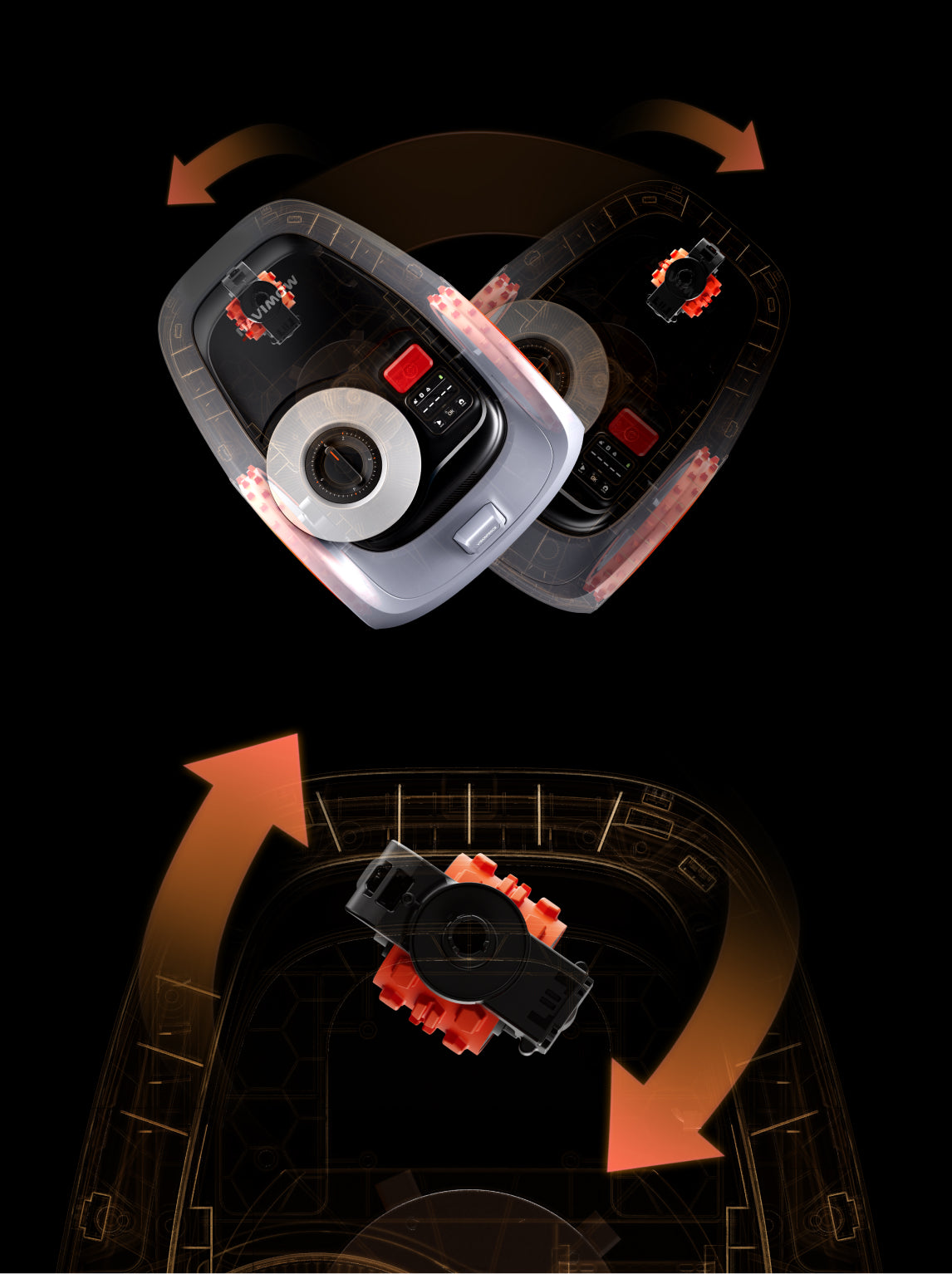
If you have a large lawn up to 1.5 acres, you can go with the Navimow X4 series. The mowers are equipped with All-Wheel Drive (AWD) and dual suspensions to conquer any type of terrain. They mow on waterlogged lawns, pitted surfaces, and slopes up to 84% (40⁰). With the Xero-Turn™, they can make a quick 180⁰ pivot and work in tight and narrow areas.

The height can be adjusted from 0.75 to 4 inches, which makes them perfect for all grass types. With dual-cutting motors and 12 blades, they precisely mow your whole lawn, even the edges. They can detect 200+ obstacles accurately with AI-powered 360⁰ VisionFence™ and precisely navigate every corner of your large lawn using Network RTK and vision technology.
The Navimow i2 AWD
For small lawns up to 0.25 acres, the Navimow i2 AWD is an excellent option. It's a compact mower equipped with Xero-Turn™ AWD to work on difficult terrains and mow in tight spaces. It works on root-covered terrains, uneven stone paths, and slopes up to 45% (24⁰). Its ESC (Electronic Stability Control) system adjusts wheel behavior to maintain straight, stable motion on slopes.

With VisionFence™, the mower detects 150+ obstacles. When an obstacle is detected, it reroutes within 0.1 seconds and maintains a 1-meter buffer for safety. It automatically maps your entire area and navigates using Network RTK and vision, with exceptional precision.
FAQs
What will kill moss but not grass?
Iron sulfate will kill moss without harming grass. It dries out moss quickly and kills it within a couple of days. It is beneficial for your grass and is often included in fertilizers.
Does vinegar kill moss permanently?
Vinegar only kills moss from the surface, while its roots remain intact. The moss will regrow, and the smell of vinegar will stay for weeks.
What is the best homemade moss killer?
Dish soap solution is the best homemade moss killer. Mix 2 to 4 ounces of a standard liquid dish soap with 1 gallon of water and spray it on the moss.
Does baking soda really kill moss?
Yes, baking soda kills moss. Sprinkle it over moss. It will increase the pH level, draw moisture, and force the moss to die quickly.
Does moss come back every year?
Moss can come back if you don't fix the condition of the soil or grass after killing it. Find out the reason behind its growth and fix it. Take care of your lawn and ensure optimal soil and grass health to prevent problems in the future.