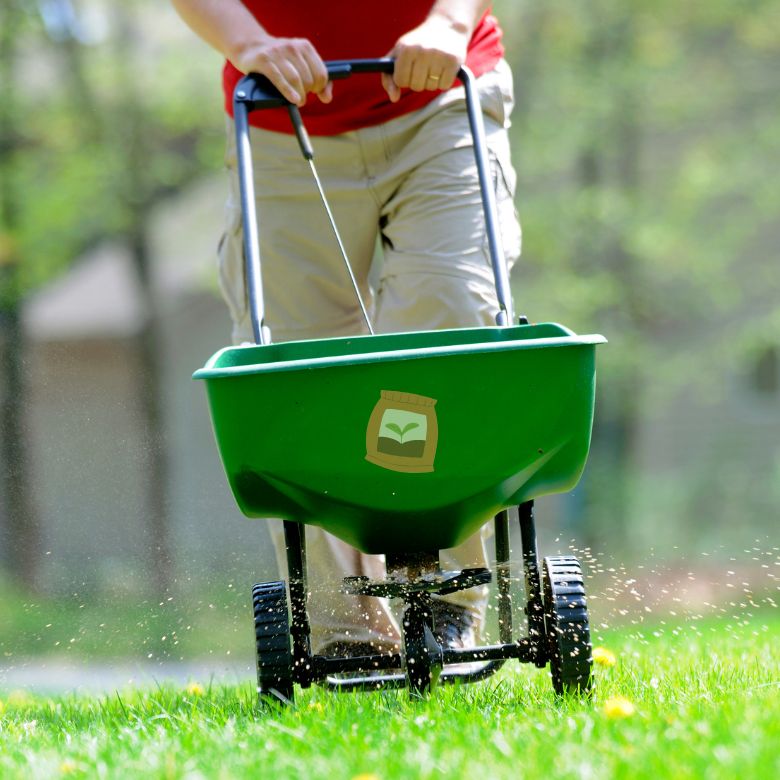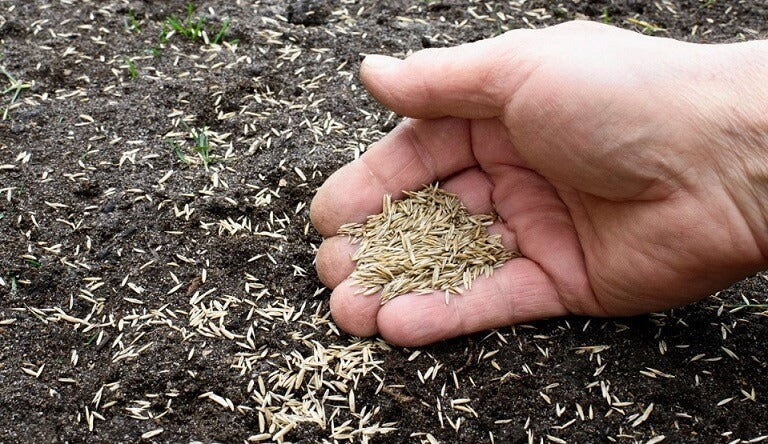
Your lawn doesn’t need fertilizers every week or month, and there is no hard-and-fast rule or fixed time. You have to provide fertilizer when your lawn actually needs it. And that’s a make-or-break for your lawn.
If you miss the right window, your lawn will lack the nutrients, which will affect the grass’s health and the lawn’s aesthetics. That’s why we are here with a complete lawn fertilizer schedule. It will help lawn owners know when it is the right time to fertilize and what kind of fertilizer they need.
Why Fertilization Timing Matters?
Lawn owners do have a basic idea that fertilization is time-specific, and it has to be done when the grass needs it. But the question is, when does the grass need fertilizer? What are those instances?
Let’s find out.
Supporting Growth Stage
The nutritional needs of grass change with the time of the year. The primary reason is that grass doesn’t actively grow every calendar month. It has a complete growth cycle.
In some months, the grass grows aggressively, while in others, it grows slowly. At certain times of year, there is no growth at all as the grass is dormant.
You have to determine the active growth phase of the grass according to its variety. It’s the time when the grass needs fertilizers the most. The nutrients help build cellular structure while defining the grass’s health.
You must apply fertilizer when the grass is actively growing. If you apply early, it could be a waste of fertilizer, and if you do it too late, the grass could be dormant.
When the grass is dormant, applying fertilizer will have no effect. In fact, it will compel the grass to absorb nutrients, which leads to stress. So, it does more harm than good.

Nutrient Deficiency
If your lawn soil is suffering from a deficiency of any nutrient, especially a macronutrient, you should apply a suitable fertilizer.
You don’t need to guess; do lawn soil testing to determine the nutrients your lawn needs. Rather than doing DIY tests, you should submit a soil sample to a lab. The report will provide you with the accurate nutrient levels and the solutions to fix the issues.
Weed Competition
A lawn fertilizer not only benefits the grass but also the weeds. It does not discriminate.
When you apply fertilizer too early in the spring, you are actually feeding the weeds. Because there is no active grass to absorb. And when the grass wakes up, the fertilizer is already consumed.
Thus, there is a competition between the grass and the weeds. That’s why you have to apply it at the right time to feed the grass. Once grass absorbs nutrients, it becomes dense and healthy. It outcompetes weeds and takes their space and sunlight.

Disease and Stress
Suppose your lawn already has too much nitrogen. And if you apply more in the summer, it will burn the grass. You will witness yellowing and brown spots all over the lawn. Secondly, it also pushes the grass to grow aggressively, which makes the grass weak and vulnerable to diseases.
Keep in mind that if you feed the lawn at the wrong time, it invites diseases and puts the grass under stress.
Winter Survival
Winter is the time when grasses go dormant. It’s not the time for fertilizer application. You have to fertilize the lawn in the fall to prepare the grass for dormancy. It stores food and becomes strong to bear the harsh season.
But if you forget to apply fertilizer in the fall or apply it too late, the grass won’t be able to prepare itself and might not survive winter.

Lawn Fertilizer Schedule and the N-P-K Ratio
You can’t apply the same fertilizer throughout the year. The needs of the grass change as per its growth cycle. That said, you must pick the right N-P-K ratio according to the season.
Nitrogen, Phosphorus, and Potassium (N-P-K) are the three macronutrients your grass needs. These are the fundamental elements of any fertilizer. However, they serve different purposes, which is why the ratio changes with the time of the year.
Keep in mind that the N-P-K ratio solely depends on the variety of grass in your lawn. For instance, in early summer, warm-season grasses like Zoysia and Bermuda require a high nitrogen concentration. However, centipede grass, which is also a warm-season grass, requires a low-nitrogen blend. Thus, you should consider the grass type you have to determine the right N-P-K ratio.
In any case, having a good understanding of macronutrients helps you determine the right quantity and time to apply them.
Nitrogen (N)
Nitrogen is responsible for grass growth and contributes to its deep green color. It boosts chlorophyll production. Your lawn needs nitrogen the most compared to the other two.
You can witness the effect of nitrogen in your lawn. It boosts growth, so the grass blades grow taller. When the nitrogen is present in an adequate amount, the lawn grows aggressively, and you need to mow more often.
It also improves the density of grass. A single grass plant sprouts multiple blades, which results in thick grass that feels like carpet.
You need to use a higher nitrogen concentration during the active growth phase. It’s not recommended when the lawn is going through dormancy.

Phosphorus (P)
Phosphorus is known for root development. It’s the most important nutrient when you plant grass seeds. It helps young seeds establish a deep and complex root system. That’s the reason it is in high amounts in starter fertilizers. Along with that, it assists in energy transfer. It helps the plant move and store energy.
If your lawn is already established, it does not need extra phosphorus. The amount present in the soil is more than enough. Only apply phosphorus if there is a deficiency. The reason is that it causes water pollution. If there is excess, it washes into ponds and streams. That’s why apply it when needed.

Potassium (K)
Potassium is also an important macronutrient, but it does not make the grass taller or denser. It actually makes the grass tougher and more resilient. It strengthens the cellular walls to handle heat, cold, drought, and other extreme conditions.
It also regulates water. By controlling the opening and closing of stomata, it prevents the plant from losing too much water and helps it withstand drought.
Potassium is necessary in transition seasons. For instance, you give it to the lawn before winter dormancy, which means in the late fall (cool-season grasses) or early fall (warm-season grasses).
Lawn Fertilizer Schedule for Cool-season Grass
Cool-season grasses thrive in cool areas, such as northern regions. They survive when the temperature is between 60⁰F (15⁰C) and 75⁰F (24⁰C). They have a different growth cycle compared to warm-season grasses, which is the reason their fertilizer needs are also dissimilar.
You can follow the following lawn fertilizer schedule to ensure their optimal growth.
Early Spring (March-April)
Cool-season grasses wake up in the spring from winter dormancy. In some regions, they might start growing in early March, while in some areas, they could start showing signs in mid/late April. Thus, there is no fixed time.
A better measure is the soil temperature. They break dormancy when the soil temperature hits 40⁰F to 45⁰F, but this isn’t the time when you see the greenery. The actual growth starts when the soil temperature reaches 50⁰F to 55⁰F.
After winter, there aren’t enough nutrients in the lawn soil. The grass has already consumed much of the fertilizer you provided. Secondly, it has used its carbohydrate reserves to survive the dormancy period. That said, spring is the perfect time for fertilization.

Cool-season grasses grow actively in spring. You can apply fertilizer once the soil temperature is consistently 55⁰F. At this time, it’s recommended to apply a slow-release fertilizer. It provides your lawn nutrients for a longer duration (several weeks).
Fast-release fertilizer is not recommended in the early spring. It provides a high spike of nitrogen, which definitely boosts the top growth of the grass, but does not allow the grass to make healthy roots.
In the early spring, look for a fertilizer that has a high percentage of slow-release nitrogen. You can go with a 20-0-0 (N-P-K) fertilizer. Your lawn badly needs nitrogen at this time. There is no need for phosphorus for established cool-season lawns. But if you have reseeded any area, it will require phosphorus. Last, the grass isn’t under environmental stress, so you can skip potassium as well.
Keep in mind that this is also a favorable time for weed growth. It’s better to apply a pre-emergent at this stage to prevent weed seeds from sprouting.
Late Spring (May-June)
By this time, you have witnessed excellent growth in your lawn. And now, your grass has to prepare for the hot season.
Cool-season grasses survive in lower temperatures, and they do not like summer heat. They actually go into summer dormancy (semi-dormancy) during this period.
You should provide fertilizer to the grass so that it can store energy and build reserves for the stressful period. Secondly, a fertilizer makes the lawn thick and dense, which improves moisture retention and prevents weed growth by blocking sunlight.
Again, a slow-release fertilizer is recommended. This way, your grass has the food it needs for 6 to 8 weeks. You can get a 24-0-4 fertilizer. It provides high nitrogen, which is necessary for growth, energy storage, and keeping the dark green color. Potassium assists in hardening the cell walls of grass blades. It prepares them for the high heat and stressful period.

Summer (July-August)
For cool-season grasses, summer is the survival period, not the growth season. The high temperature is exhausting for them. They slow down their metabolism and go through stress.
The problem in summer is the scorching sun. If you use chemical fertilizer on your lawn, it will burn the grass. These fertilizers are actually salts that absorb moisture from the surroundings. By sitting on the grass surface, they absorb moisture from the grass blades and cause the grass to suffer from drought.
Secondly, there is a high risk of fungi that feed on nitrogen. They might take over your lawn if you provide a high-nitrogen fertilizer.
There is no need to provide your cool-season lawn with fertilizer in summer. Providing fertilizer actually means forcing food, which tries to wake up the grass that wants to sleep. You are forcing it to grow, and it does more harm than good. It makes the roots weaker as the grass puts all its energy into growth.
But if it looks yellow, and you want to do something, you can opt for an organic slow-release fertilizer, such as Milorganite or compost-based pellets. They do not burn your lawn and provide a slow and steady nutrient supply.
Another option is Chelated Iron. It contains a high amount of iron and low nitrogen compared to regular fertilizers. It provides your lawn with a deep green color without compelling it to grow. But if you have pets, do not think about it. For more details, check out “Is lawn fertilizer bad for dogs?”

Early Fall (September-October)
Fall is the time when cool-season grasses wake up from the summer dormancy. They are ready to grow aggressively, and you have to mow more often. It’s a season for lateral growth and root deepening.
That’s why they need fertilizer to support their growth. It helps the grass recover from the summer stress. If you have overseeded the lawn, the fertilizer will also support new seeds and help them sprout and grow.
The ideal time to fertilize in the early fall is when the daytime soil temperature is 55⁰F to 65⁰F. The air temperature in the daytime is usually in the 70s⁰F. You can apply fertilizer to the lawn without any worries and be more aggressive compared to summer.
The NPK ratio plays an important role in the early fall. Firstly, your grass needs nitrogen to support its aggressive growth. Aim for high nitrogen for growth and repair. It helps grass grow its blades and produce more food. A good value of nitrogen is between 16 and 24.
You can have phosphorus in this season. It’s time for root deepening, and phosphorus is mandatory for that. And if you have overseeded the lawn, phosphorus is required for root development. You can aim for a 4-10 phosphorus value in the fertilizer.
Potassium is also an important nutrient in the early fall. It strengthens the turf and allows it to recover from the summer stress.
When it comes to fertilizer in the fall, you have two options. Apply a starter fertilizer if you have done seeding. It has a higher phosphorus content to support root development in seedlings. If you didn’t seed the lawn, use a maintenance fertilizer. But make sure to wait until you have mowed the lawn at least 2-3 times.

Late Fall (November)
Late fall is the time when your cool-season grass needs to prepare for winter dormancy. The grass absorbs nutrients and converts them into carbohydrates, which are stored in the crown and roots. It is necessary to survive the stressful winter.
That’s why you can apply fertilizer to fill the soil with nutrients. But make sure to do it at the right time. Monitor the soil temperature, and when it’s between 40⁰F to 45⁰F, you are good to go.
For this period, a high potassium fertilizer is recommended. It is an anti-freeze nutrient that helps the plant survive in low temperatures. It increases the thickness of the cell walls and alters the salt concentration in the grass cell. This results in a low freezing point, allowing the grass to survive. A good potassium value is 20.

Along with potassium, nitrogen is also needed, but in a lesser quantity. It is to support energy production in the grass as long as the sun is shining. There is no need for phosphorus at this stage.
The benefit of late fall fertilization is the early wake-up in spring. You will see greenery faster than others. Because the grass already has enough energy to wake up and turn green.
Lawn Fertilizer Schedule for Warm-season Grass
Warm-season grasses behave differently from cool-season grasses. They actually love high temperatures and grow aggressively in summer. Due to their distinct growth cycle, you have to plan the fertilizer schedule appropriately.
Spring (April-May)
Warm-season grasses go into deep dormancy in winter. They completely turn tan or brown and wake up late in the spring.
The perfect timing is extremely crucial. In Southern regions, temperatures are still low in early spring. Then, it gets a bit warmer, which seems like a favorable temperature for fertilizer. If you do it now, the grass will start its growth and push new grass blades. But these are tender and can easily be damaged in the frost.
Thus, it’s necessary to wait for some time until you are sure that there is no frost ahead. Do not fertilize unless you have mowed your lawn at least twice. And when you see 50-75% of the lawn is green, it’s actually the safe time.

Fertilization is very important in spring for warm-season grasses. It allows them to recover from the stress and repair themselves. When you provide the nutrients, it promotes lateral growth. Even if there are bare spots in your lawn, they will be automatically covered as these grasses spread through stolons (above-ground runners) and rhizomes (below-ground runners). The grass spreads quickly in the lawn and takes over every spot, reducing the chances of weeds.
In this period, your grass needs two things: Nitrogen and Potassium. A 15-0-15 fertilizer is a good choice. The nitrogen turns the grass green and supports new growth, while potassium strengthens the internal cell structure, which is necessary for recovery.
Do not give phosphorus to your lawn, as there is no need for it. But if there is a deficiency, you can do it as per the recommended amount in the lab soil test report.
Keep in mind that this is also a favorable time for weed growth. So, it’s better to apply a pre-emergent to prevent sprouting.
Early Summer (June)
Summer is the favorite season for warm-season grasses. They love the scorching sun, heat, and high temperatures. The reason is that they are C4 plants. For photosynthesis, they require a higher temperature, 80°F to 95°F. They process nutrients faster. That’s why they grow aggressively and make your lawn greener.

That said, early summer is the perfect time for fertilization. You can aim for a high-nitrogen fertilizer. It is necessary for the growth and to give your lawn a deep green color. You can pick a fertilizer with a 24 to 30 nitrogen value.
There is no need for phosphorus in this season. The lawn is already established, and it has sufficient phosphorus in the soil. But if you have planted new seeds and laid sod, you can apply phosphorus for the sake of root development.
You can ignore potassium or have a little amount. It helps in water regulation during extreme heat.
Late Summer (August)
Late summer is the time when extreme heat hits the grass. Fertilizing in this period has a very high risk of salt stress or fertilizer burning. You only need to provide enough nutrients to keep the lawn thick and manage the stress.
You can use Chelated Iron to give your lawn an exceptional green color. It boosts chlorophyll production. However, it does not force the grass to grow taller.

If you want to apply fertilizer, you should go with a moderate, slow-release dose. You can go with a 16-0-8 fertilizer to feed your lawn slowly for a longer period. Do not think about fast-release fertilizers, as they can burn the grass in extreme heat.
Apply fertilizer early in the morning, about 8:00 am, and water the lawn immediately. It will break down the granules, and the salts will be absorbed in the soil. Thus, there will be a minimal risk of fertilizer burn.
Early Fall (September)
Warm-season grasses are sensitive to cold. They go dormant early in the winter and often before it. Thus, before the grass enters dormancy, it needs to prepare itself. Otherwise, it won’t be able to survive and wake up in spring.
You need to apply fertilizer in the early fall for the last time in the year. Now, you might be thinking, why too early? When you provide nitrogen to the grass, it produces new grass blades that are tender and brittle. If you fertilize too late, these grass blades will be damaged by the frost. Thus, you have to schedule fertilization 6-8 weeks before the first frost.

In this period, you should aim for low nitrogen and high potassium. A fertilizer with an NPK ratio of 5-0-20 will work exceptionally well. The reason for low nitrogen is that you don’t want to push the grass for growth; you only need to keep the roots active.
Potassium plays an important role as it makes the grass ready to bear harsh winters. It makes the cell wall thicker and changes the salt concentration inside. Eventually, the freezing point drops further, and the grass becomes more resilient.
Things to Do Before Fertilization
Soil Test
Conduct a soil test before fertilization. It gives you a clear idea of the nutrients in the soil. If there is any deficiency or excess, you can select an appropriate fertilizer.
You can do a DIY nutrient test at home, but it is recommended to send a soil sample to a lab. You get to know about the exact nutrient values and what fertilizer to apply.
We have created a detailed guide on lawn soil testing. It gives you the step-by-step process to collect a soil sample from a lawn.
Core Aeration
Aeration reverses soil compaction. If your soil is compact, it is better to do core aeration before fertilization. Otherwise, the nutrient will not reach the grass roots. Compact soil blocks the passage of nutrients, air, and water, which is why the grass suffers.
Here is a detailed guide on lawn aeration.

Dethatching
If there is a thick layer (more than 0.5 inches) of dead organic matter on the soil, you should dethatch the lawn before fertilization. It removes the thatch layer from your lawn and unveils the soil. That said, the fertilizer has better contact with the soil after dethatching.
Weather Forecast
Make sure to check the weather forecast before fertilizing the lawn. If there is a heavy downpour ahead, it will wash away most of the nutrients.
Light rain is fine, as you also need to water the lawn after fertilization. It helps nutrients enter the soil.
Mowing
Before fertilization, mow the lawn. Short grass ensures better contact between the soil and the fertilizer. The granules won’t be caught in the thick grass blades.
Mowing is a time-consuming and labor-intensive job, which many lawn owners hate. They often miss mowing because of their busy schedule, which leads to an overgrown lawn. For the optimal health of your lawn and promising fertilizer results, it is necessary to mow regularly.
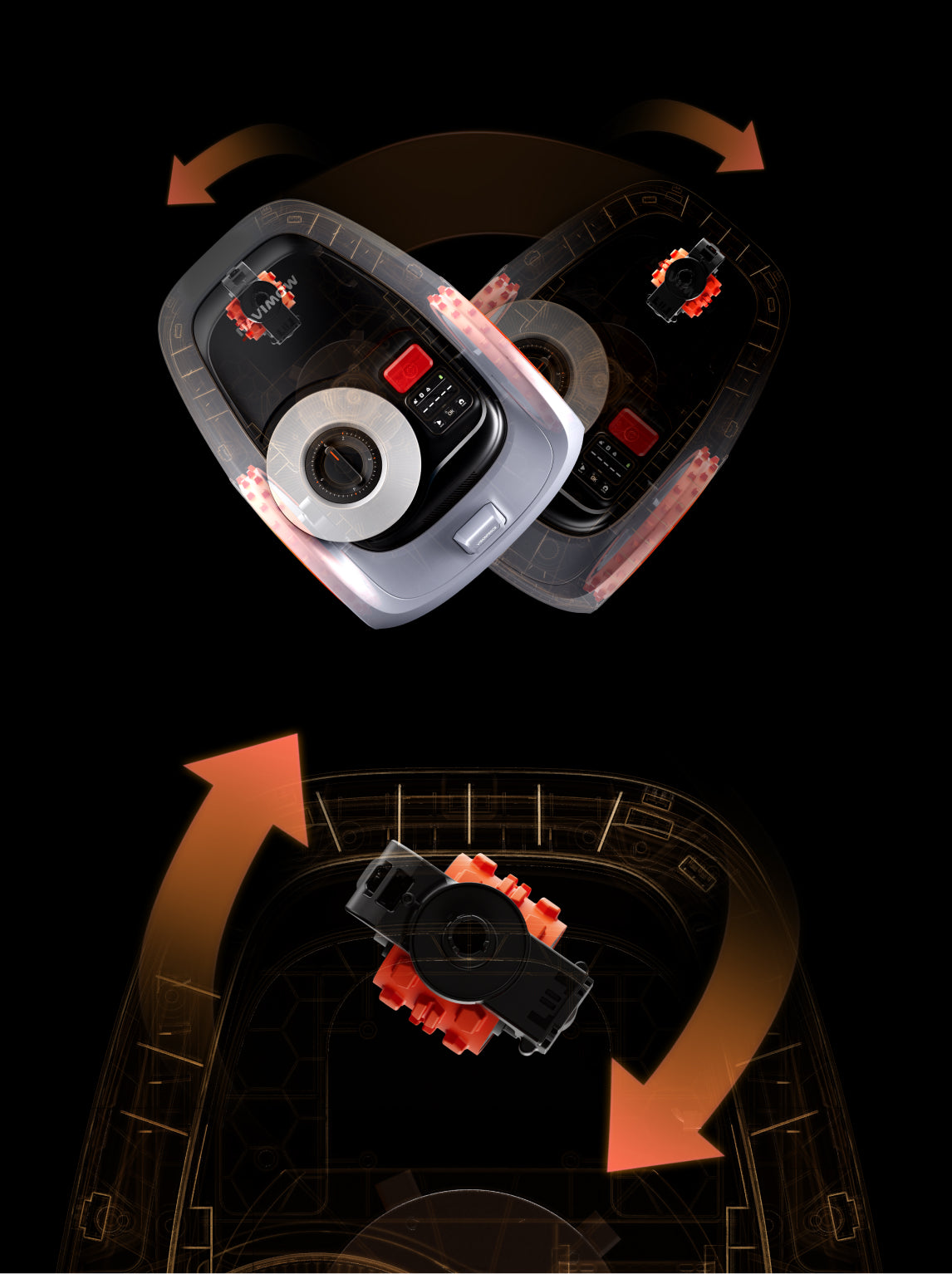
The best way to have a perfectly manicured lawn is to get a robot lawn mower. It will automate lawn mowing; you only need to set the schedule and desired mowing height.
If you have a small lawn up to 0.25 acres, you can go with the Navimow i2 AWD series. For large lawns up to 1.5 acres, the Navimow X4 series is ideal.

Final Words
As a lawn owner who wants to enjoy a healthy, lush, and green lawn, you must know when to fertilize the grass. Timing is crucial to witness promising results. We have shared the complete lawn fertilizer schedule for warm-season and cool-season grasses. Even if you are a beginner, you can easily follow the schedule and save your grass from nutrient deficiency and stress. It allows you to understand what the lawn actually needs and provide the right fertilizer at the right time.