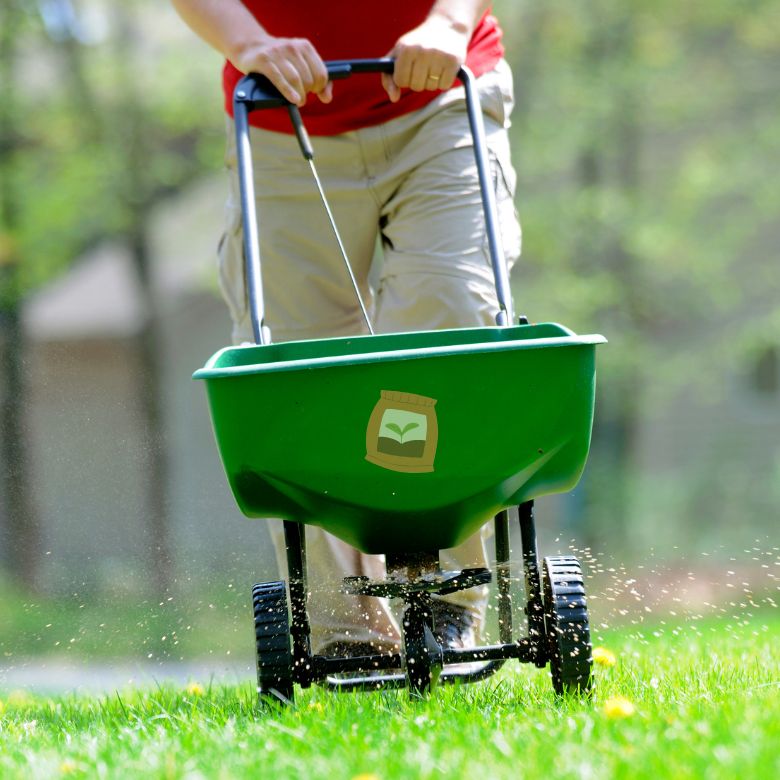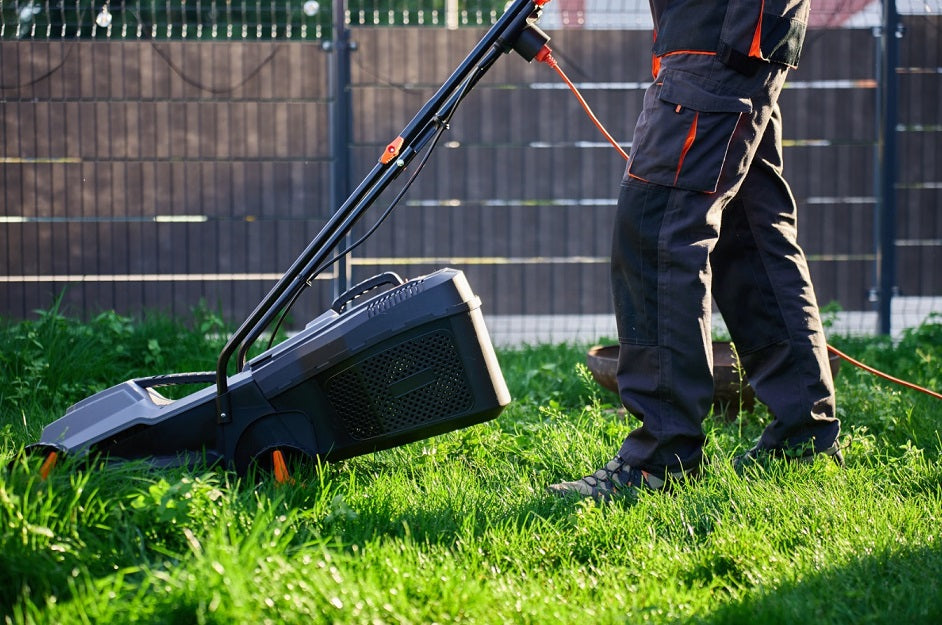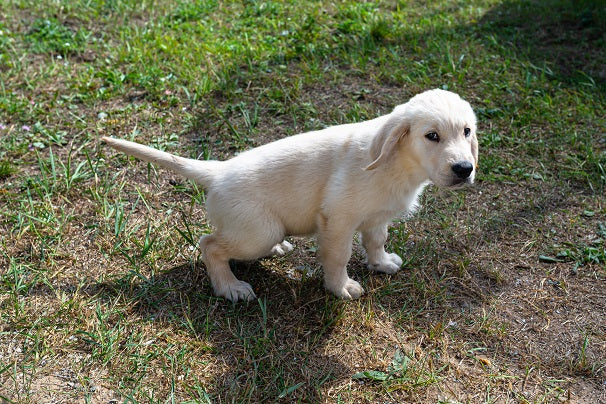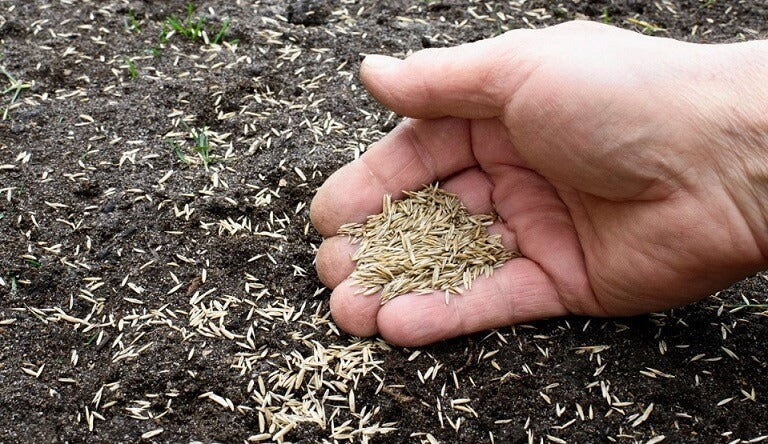
As a dog parent and lawn owner, you can keep your lawn green and healthy while keeping your dog safe. Both can go along, but you have to be careful while applying fertilizers.
Choosing the right fertilizer, following the proper application steps, controlling pet activity, and other factors play an important role. You can make the lawn safe for pets and kids and enjoy the greenery without worrying about reactions or health issues.
This article is all about whether lawn fertilizers are bad for dogs. We will introduce you to each element of fertilizers and explain what's harmful and what's not. By the end of this article, you will know how to take care of your dog and lawn simultaneously.
What's in Lawn Fertilizers? The Elements
The Natural Elements (Macronutrients)
Nitrogen, Phosphorus, and Potassium (N-P-K) are the macronutrients that your lawn needs. These are the natural elements that play an important role in the development of grass in every stage, from seed germination to grass growth. Without them, the grass can't survive.
Nitrogen promotes top growth and offers a deep green color. Phosphorus promotes root development, while potassium promotes overall toughness and disease resistance. You can't leave any of them. In fact, lawn soil testing is carried out to determine if any nutrients are deficient and improve the lawn's health.
These macronutrients are included in all fertilizers. They are the primary food for your lawn. Fortunately, all of them are natural and have low pet risk. They are non-toxic. However, they might have some reaction depending on the ingested quantity.

The Micronutrients
Fertilizers are also the source of various micronutrients that our lawn needs. Knowing about them is also important to weigh their risk and benefits to the lawn.
Iron: It is a common micronutrient in fertilizers. It gives the lawn a deep "blue-green" color. It's an important component in the production of chlorophyll. When it is deficient in the soil, the grass changes its color and becomes pale green.
Copper: It's added in fertilizers to work as a fungicide. It protects your grass from fungus and assists in metabolism. It also assists in the creation of lignin, which keeps the grass blades upright and rigid.
Zinc: Zinc helps in enzyme activation and the production of growth hormone and proteins. Its deficiency leads to stunted growth and a reddish-brown tint on the leaves.
Boron: It is responsible for the transportation happening inside the plant. It regulates the transport of sugars and starches from the leaves to the roots.
Molybdenum: The nitrogen given to the grass is not consumed directly. Molybdenum is a component of the enzyme nitrate reductase, which converts it from the raw form into amino acids.
The Carrier
When you open the bag of fertilizer, what you see is not 100% chemicals or nutrients. In fact, nutrients are coated onto a carrier to make the spreading easier.
There are two common types when it comes to carriers: Synthetic and Organic.
The synthetic carriers used are usually clay pellets or vermiculite/perlite. The clay pellets are small and hard. They contain liquid nutrients. When it rains, or you water the lawn, these pallets absorb the water and slowly release nutrients into the soil. Vermiculite/perlite are puffed minerals like popcorn. They are extremely lightweight and porous.
The organic carriers include plant or animal-based byproducts. Some examples are bone meal, blood meal, or poultry litter.

The Add-ons (Insecticides & Herbicides)
Aside from nutrients, fertilizers also contain some add-ons. For instance, they could have insecticides to control insects and pests in the lawn. Herbicides are also commonly used to control various types of weeds.
They are not in all fertilizers. You can check the bag or specifications to know which fertilizer contains what. The add-ons are for specific lawns and address certain weed and insect issues.
The Effect of Fertilizer Components on Dogs
Nitrogen
Nitrogen is the most abundant element in fertilizers and has the tendency to affect a dog's stomach. If it is ingested in large amounts, it can cause drooling and vomiting. But it is not life-threatening.
But severity depends on the quantity and condition of nitrogen. If a dog licks fertilizer granules that haven't dried, it can affect the stomach as well as the mouth and esophagus.
The mild effect is excessive drooling and foaming at the mouth. In moderate amounts, the dog could suffer from vomiting and diarrhea to expel nitrogen.
Phosphorus
Phosphorus is quite helpful in seed germination and root development, which is why it is used in high amounts in starter fertilizers. If you want to reseed a lawn, it must be used for excellent results.
It's also used in normal lawn fertilizers, but in small quantities. Usually, established lawns do not need extra phosphorus. The quantity present in the soil is already enough. That's why many lawn owners pick fertilizers that do not have it. And the reason is environmental protection.
Phosphorus leads to water pollution. Its excess in lawns washes into lakes, streams, and ponds. It promotes algae growth, which is responsible for causing harmful blooms that deplete oxygen and kill fish.
You can opt for a fertilizer containing phosphorus after overseeding or reseeding. But if the grass is already established, there is no need for extra fertilizer, unless there is a deficiency in the soil.
Phosphorus is less toxic than nitrogen, but it is considered a mild laxative. It does not severely harm your dog, but its ingestion leads to loose stools, abdominal pain, and loss of appetite.

Potassium
In general, potassium is a vital nutrient for dogs and is also included in the diet. However, the potassium found in fertilizers is high in concentration, which can lead to various issues.
If potassium is ingested in large amounts, it could cause Hyperkalemia. And this only happens when the dog reaches a bag of fertilizer and consumes it directly. It could lead to muscle weakness or heart arrhythmias.
When there is no ingestion, such as walking on the grass after application, the primary risk is skin irritation.
Micronutrients
Micronutrients are also important for a lawn, but some of them pose a risk to pets.
The most dangerous micronutrient is Iron. If a high amount is ingested, it leads to iron toxicity. Excess iron is corrosive to the GI tract and causes oxidative damage to the liver and heart.
Iron toxicity has various symptoms at different stages. After ingestion and within the first six hours (first stage), you'll witness severe vomiting (may contain blood), diarrhea (may contain blood), and extreme lethargy. Other symptoms are abdominal pain & swelling, and a rapid heart rate.
In the second stage (6 to 24 hours), you will see a loss of symptoms, which looks like an improvement. However, in stage 3 (12 to 36 hours), these symptoms can return along with others. The other symptoms are shock, depression, cardiovascular collapse, yellowing (eyes, ears, and gums), and death. The last stage (4 to 6 weeks of exposure) has symptoms of gastrointestinal distress and bloody stools. That's why it is better to see a veterinarian as soon as possible.
The second micronutrient we have is Zinc with a medium risk level. It's a heavy metal, which dogs can't process in high amounts. If a dog ingests fertilizer granules directly, it can increase zinc levels, which leads to Hemolytic Anemia. Its symptoms are very pale or white gums, orange urine, and a rapid heart rate.

Carriers
The synthetic carriers, such as clay and Vermiculite/Perlite, are non-toxic. They do not harm dogs on their own; it's the nutrients inside them.
Clay is quite safe, and your dog feels like walking on pebbles. It does not even harm paws. Vermiculite/Perlite is also safe, but if a dog walks on it just after application, it becomes dusty and may cause sneezing and eye irritation.

Herbicides
Herbicides are meant to deal with weeds. They are commonly used in lawns to get rid of the stubborn weeds, control their population/growth, and improve lawn aesthetics and health.
They are extremely dangerous for pets. Herbicides like 2,4-D and Dicamba can lead to various health issues, including Malignant Lymphoma and Bladder Cancer.
Keep in mind that herbicide toxicity isn't limited only to direct ingestion. Undoubtedly, that's the worst case, but it can also happen while walking on a herbicide-treated lawn. Dogs ingest herbicides indirectly while grooming their fur, paws, etc.
The immediate symptoms of herbicide toxicity include redness of skin, rashes, chemical burns on paws/belly, vomiting, diarrhea, loss of appetite, etc. If the dose is high, it can also cause ataxia, in which the dog stumbles and walks like a drunk. Severe symptoms include liver damage, kidney failure, ulcers, and collapse.

Insecticides and Fungicides
Insecticides kill grubs, fleas, ants, ticks, and other pests. But they are also dangerous for pets. They are usually Pyrethroids and Neonicotinoids. These chemicals work by overstimulating the nervous system of insects until it fails.
Usually, mammals are better at handling them, but high exposure levels are dangerous for dogs. The common acute symptoms are muscle tremors, ear flicking, and skin crawling. Drooling and ataxia are also common.
Fungicides deal with fungal diseases. The ingredients they contain, such as Azoxystrobin and Propiconazole, have lower acute toxicity compared to insecticides. Still, they can cause skin irritation.
The common risk is redness and itching on the paws and under the belly. Mild vomiting could also happen. Thankfully, the newer fungicides are safer, but some older ones are labeled carcinogens.
How Do Dogs Ingest Fertilizers?
The effect of fertilizer on dogs depends on how and how much the fertilizer is ingested. It's an important aspect because it decides the reactions that could occur.
Grooming
The most common way of ingestion is grooming. While walking, rolling, and playing on a freshly treated lawn, the harmful elements of fertilizers stick to the fur and paws.
And when dogs groom themselves by licking their body and paws, they ingest these harmful chemicals. Generally, this is a small amount of ingestion that leads to mild symptoms. However, there is also a risk of high concentration as dogs walk on thousands of grass blades and collect the residue.
Liquid Ingestion
After fertilization, the lawn is watered. When you overwater it, puddles are created in low-lying areas. These puddles contain dissolved nitrogen, iron, pesticides, and other components of the fertilizer.
While playing in the lawn, dogs feel thirsty and might drink water from these puddles. It contains a high concentration of the harmful components, which is more dangerous than ingestion while grooming.

Direct Ingestion from Source
The intense scenario is direct ingestion from the source, and this one is seriously dangerous for dogs.
If the fertilizer spreader or bag is in the common reach of a dog, they might tear the bag and chew the granules. This is the extreme case because the concentration of harmful elements is high.
Secondly, dogs are attracted to organic fertilizers because of the smell. They may eat the fertilizer in a life-threatening amount.

Is Organic Fertilizer Safe for Dogs?
Organic fertilizers might sound safe, but they are more dangerous than chemical fertilizers. Why?
The reason is the high risk of direct ingestion. Dogs love the smell of organic fertilizers, such as bone meal, blood meal, and fish emulsion. They are attracted to them. If the fertilizer is underneath the soil, they could dig it to access it.
Organic fertilizer could tempt massive ingestion. Dogs can consume it in large quantities, which is injurious to their health. It leads to extreme chemical toxicity.
But that's not it. If the dog eats a large amount of bone meal, it forms a concrete-like mass in the stomach. It blocks the intestine, and the only solution is surgery if the mass cannot be excreted naturally.
Thus, organic fertilizers are more dangerous, which is why you should think before using them.

Common Signs and Symptoms of Fertilizer Ingestion
We have already discussed the specific symptoms and signs for each nutrient. Here are the combined common symptoms you notice after fertilizer ingestion.
- Hypersalivation (Drooling)
- Foaming at the Mouth
- Vomiting
- Diarrhea
- Abdominal Pain
- Extreme Lethargy
- Loss of Appetite
- Incoordination (Ataxia)
- Muscle Tremors
- Difficulty Breathing
- Seizures
- Bloody Vomit or Stool
- High or low heart rate
- Coma
- Death
If you witness any of these after fertilizer application or any sign of ingestion from the fertilizer bag or spreader, immediately consult a veterinarian. It's better to take a photo of the fertilizer bag and its ingredients and let the professionals know.
How to Keep Dogs Safe from Lawn Fertilizers
Water Immediately
After applying fertilizer to your lawn, water the area immediately. It helps in breaking down the granules. The fertilizer elements leave the grass surface and enter the soil. There should be no visible granules or pellets in the lawn.

Keep Pets Away
Even if there are no visible grains, you should keep pets away from the lawn for 24-48 hours. Let the grass completely dry out. Otherwise, the chemicals can easily transfer to the dog's paws and fur. After heavy watering, let the lawn dry completely before leaving your pets to roam around.
Wash Paws
An excellent habit after fertilization is paw washing. Before taking your dog inside, wash the paws with dish soap and wipe them down.
It reduces the risk of high-concentration ingestion. If the dog licks or grooms after that, it will be safe.

Smart Storage
Store fertilizer appropriately. Firstly, keep them away from the reach of dogs. Never leave them open in your garage. If there are leftovers, transfer them into heavy-duty plastic bins and keep them away.
Pet-friendly Options
Go with pet-friendly fertilizer options. Read the label and go with them. They have a lower risk of harm to your dogs.
Use Mulch
If you are using organic fertilizer on your lawn, cover it with mulch. It will eliminate direct contact and easy access to dogs. Just make sure to use a safe mulch that does not cause any harm.

Bonus: Maintain Your Yard While Keeping Your Pet Safe
Lawn owners usually don't have enough time to mow their lawn regularly. It's because of their busy schedules and the effort it requires, and as a dog parent, it becomes more difficult.
The best way to keep your lawn maintained year-round is to opt for a robot lawn mower. You don't have to do anything; just set the schedule and desired mowing height. The mower automatically starts, mows your lawn, and gets back to its charging station. It keeps your lawn perfectly manicured.

Robotic lawn mowers do fine clippings of the grass that work as a fertilizer and are completely harmless. It can reduce up to 25% of the fertilizer requirements, so you need less chemical fertilizer. Secondly, they are equipped with advanced navigation and obstacle detection systems to mow safely when kids and pets are around.
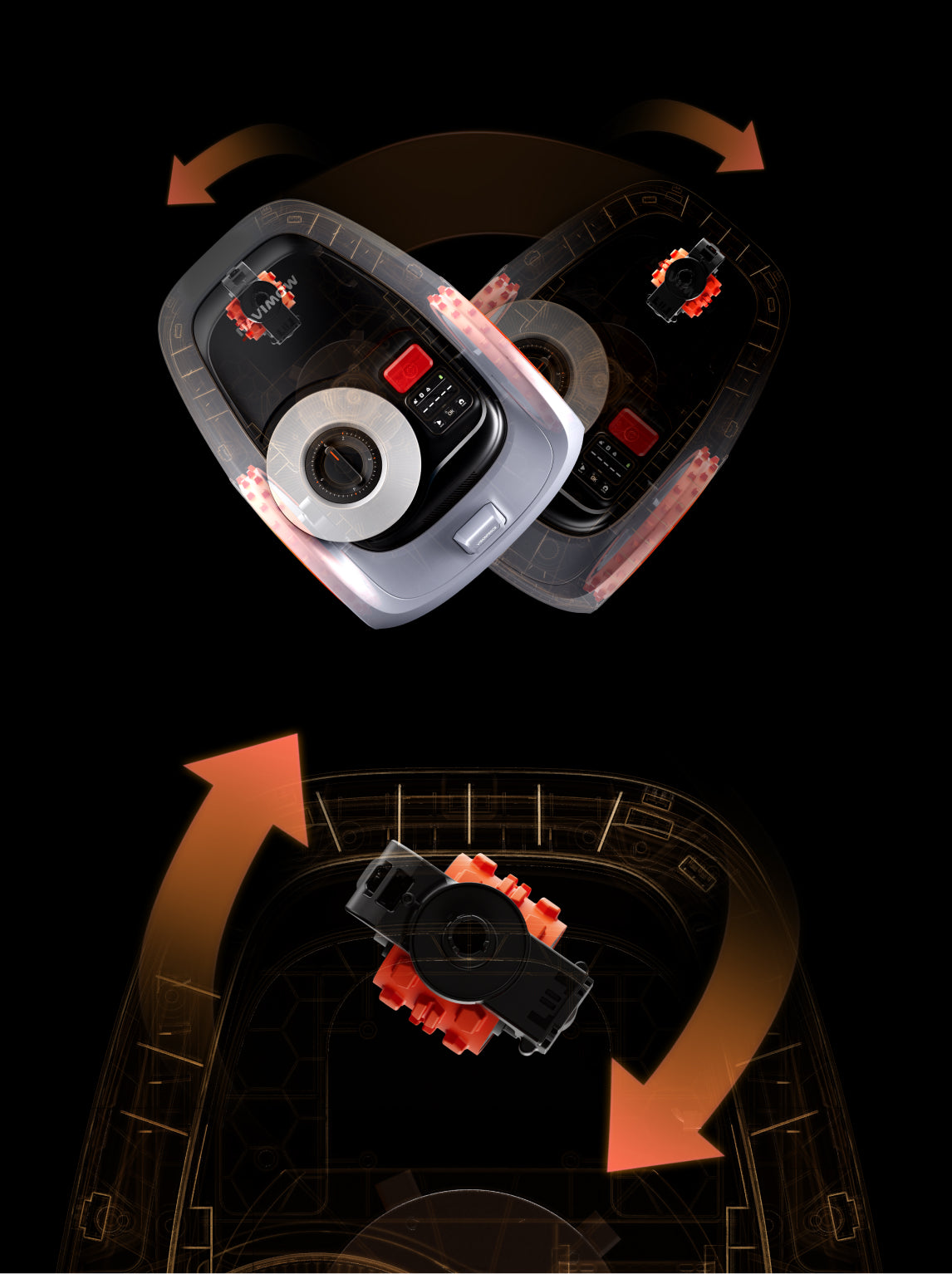
If you have a small lawn, you can go with the Navimow i2 AWD series. It's perfect for lawns up to 0.25 acres. It's a compact and affordable mower with All-Wheel Drive (AWD) and Xero-Turn™, so it can work on complex terrain and narrow areas. Its VisionFence™ detects 150+ obstacles, including animals, small objects, and everyday obstacles. It reroutes within 0.1 seconds and maintains a 1-meter safety buffer.

For complex lawns up to 0.5 acres, the Navimow H2 series is ideal. Its AI triple fusion system combines high-res solid-state LiDAR, Network RTK, and Vision for absolute precision and reliability. It creates a 3D map of your lawn to mow every corner and edge, irrespective of the number of obstacles. Its VisionFence™ offers 0.4-inch detection accuracy, detects 200+ obstacles, and identifies 20+ animal types. It slows down when the object is near and maintains a safe distance.

If you own a large lawn up to 1.5 acres, go with the Navimow X4 series. It features Xero-Turn™ AWD to conquer any type of terrain and work on steep slopes up to 84% (40⁰). It navigates your lawn precisely with NRTK, 360° Vision, and VIO (Visual Inertial Odometry). It has AI-Powered 360° VisionFence™ and Animal Protection that detect animals and obstacles, ensuring safe mowing. It can also work at night and detect obstacles with precision.

FAQs
How long after fertilizing can I let my dog out?
Wait for 24-48 hours until the fertilizer is completely dry. Liquid fertilizers dry in several hours, while granular fertilizers take up to 24 hours. Herbicides and pesticides need 48 hours. It depends on the amount of watering, the variety of fertilizer, and other factors. Wait for 24-48 hours and ensure the grass is completely dry before letting your dog out.
Is lawn fertilizer safe for dogs to walk on?
After applying fertilizer, you must wait 24-48 hours. Once the grass is completely dry, you can let your dog walk on it. It's totally safe.
What happens if my dog walks on fertilized grass?
When a dog walks on fertilized grass in wet conditions, it leaves chemical residue on its paws and fur. During grooming, there is a high risk of ingestion, which could lead to paw burn, drooling, vomiting, muscle tremors, and other issues.
Is grass fertilizer bad for dogs' paws?
Yes, it is bad for dog paws. It draws moisture out of the paws and leads to skin issues, such as redness, inflammation, or a burning sensation. If the fertilizer contains too much iron, it could lead to rust-colored staining and severe skin burns.
How long can dogs get sick from lawn fertilizer?
You can witness the initial symptoms within a few hours of ingestion. It takes 0-6 hours to get sick and show the signs. Symptoms often resolve within 12-24 hours. However, in extreme toxicity, such as iron poisoning and insecticides, it might take up to 72 hours.