Lawn owners require fertilizers to feed their lawns and keep them lush, green year-round. But if there is also a pet in the home, choosing fertilizers becomes difficult.
Lawn fertilizers contain nutrients and other elements that can harm pets and cause fertilizer poisoning. The symptoms range from skin irritation to gastrointestinal distress to neurological issues. In severe cases, there could be liver damage, blockage in the intestine, kidney failure, and death.
As a pet parent, you should choose the best pet-safe lawn fertilizer to keep your lawn green without posing a risk to pets.
This article is all about pet-safe lawn fertilizers. We will guide you on the harmful elements in fertilizers and how to ensure the fertilizer is pet-safe. We will also explain the types of pet-safe fertilizers and share the best options for your lawn.
What Makes Fertilizers Unsafe for Pets?
The Macronutrients
All fertilizers contain three macronutrients, which are Nitrogen, Phosphorus, and Potassium (N-P-K). They are necessary for different developmental stages of grass, from seed sprouting to regular growth.
All three are natural and non-toxic elements. They do not pose a serious threat to pets. However, they are not completely safe. They have some reaction on pets, depending on the ingested quantity.
Nitrogen is present in the highest quantity. It can upset a pet's stomach and cause drooling and vomiting. If a pet ingests fertilizer directly from the bag, it could affect the stomach, mouth, and esophagus. You can also expect excessive drooling, foaming at the mouth, and diarrhea.

Phosphorus is also dangerous but less toxic than nitrogen. It is a mild laxative and leads to loose stools, abdominal pain, and loss of appetite. However, established lawns do not require extra phosphorus. The quantity that's already in the soil is enough. You can go with a phosphorus-free fertilizer. But if you are seeding the lawn or there is a phosphorus deficiency, you should use it.
Potassium found in fertilizers is highly concentrated and harmful for pets. If ingested in large amounts, it leads to Hyperkalemia, heart arrhythmias, and muscle weakness. If there is no ingestion, the only risk is skin irritation.
Simply put, Nitrogen, Phosphorus, and Potassium (N-P-K) are not life-threatening. After ingestion, you can expect symptoms and consult a vet. The effect depends on the ingested quantity.
The Micronutrients
Micronutrients are in extremely low quantities in fertilizers, but some of them are even more dangerous than macronutrients.
The first one is iron, which can cause iron toxicity. It's very harmful if ingested in high amounts. It's highly corrosive to the GI tract and causes liver and heart issues. After ingesting iron, you witness symptoms in the first six hours, which are severe vomiting (may contain blood), diarrhea (may contain blood), and extreme lethargy.
The second stage (6 to 24 hours) could be loss of symptoms, but it does not mean everything is fine. The third stage (12 to 36 hours) has symptoms like shock, depression, cardiovascular collapse, yellowing (eyes, ears, and gums), and death. The last stage (4 to 6 weeks of exposure) leads to severe symptoms, including gastrointestinal distress and bloody stools.
Iron is tremendously dangerous to pets. Seek immediate medical assistance if there are any signs of iron ingestion.
The second harmful micronutrient is zinc. If ingested in large amounts from a fertilizer bag, it can cause Hemolytic Anemia. Common symptoms include very pale or white gums, orange urine, and a rapid heart rate.

The Pesticides
Pesticides are additives in fertilizers, and these pose a high risk to pets. All pesticides, including herbicides, fungicides, and insecticides, are dangerous.
Herbicides are for controlling weeds. They contain harmful elements that are linked to severe health issues, including Malignant Lymphoma and Bladder Cancer. Direct ingestion is quite harmful, but even skin contact with herbicides causes skin issues.
Common symptoms include redness of skin, rashes, chemical burns on paws/belly, vomiting, diarrhea, loss of appetite, and ataxia. In severe cases, it leads to liver damage, kidney failure, ulcers, and collapse.

Insecticides target pests such as grubs, ticks, and fleas. They contain chemicals like Pyrethroids and Neonicotinoids that work by overstimulating the nervous system. They kill pests by affecting their nervous system, which is also harmful to pets. You can witness symptoms like muscle tremors, ear flicking, skin crawling, drooling, and ataxia. Insecticides also contain Permethrin, which is highly toxic and often fatal to cats.
Fungicides contain harmful components, such as Azoxystrobin and Propiconazole. They can cause skin irritation in pets. You might see redness and itching on the paws and under the belly, and mild vomiting.
Further reading: Is lawn fertilizer bad for dogs?
Are Organic Fertilizers Pet Safe?
Not all organic fertilizers are safe for pets. In fact, some of them are more dangerous than chemical fertilizers.
Organic fertilizers are risky because pets are attracted to their smell. They are made from animal byproducts and smell like delicious food to them. For instance, dogs might try to find the fertilizer and even dig the soil after smelling it. And once they find it, they ingest it in high amounts.
Bone meal is one of the most dangerous organic fertilizers. When ingested, it turns into a bezoar, which is a hard, concrete-like mass. It blocks the intestine and cannot pass through the tract. It does not dissolve either. The only solution is surgery.
There is also a risk of molds or fungal toxins in organic fertilizers. Naturally, they rely on soil microbes and fungi to break down. But when it gets too damp, it grows mold. Certain varieties of mold attract the nervous system of pets when licked. There is a risk of muscle tremors and high-intensity seizures.
Organic fertilizers also contain a high amount of iron sulfate. It is used to achieve a deep green color. But it is the root cause of iron toxicity, and we have already discussed what happens when a pet ingests a high amount of iron.
What to Look for While Buying a Pet Safe Lawn Fertilizer?
No Pesticides
Pesticides are the harmful additives in lawn fertilizers. For pet safety, make sure there is no pesticide of any kind, such as herbicide (weed killer), insecticide (pest killer), or fungicide (fungus killer).
Herbicides like 2,4-D, Dicamba, and Mecoprop (MCPP) are harmful. Check the ingredients and ensure they are not present. Similarly, avoid fertilizers that have insecticides like Bifenthrin, Imidacloprid, or Carbaryl.
Avoid High Iron Content
Iron is a big no if you have pets. Check for Iron Sulfate in the ingredients. It's corrosive to the dog's digestive track and causes iron toxicity. Usually, fertilizers with high iron are labeled as "Moss Control" and "Iron-Rich Greening."

OMRI Listed Label
While buying a fertilizer, you can check for the "OMRI Listed" label. The Organic Materials Review Institute (OMRI) is an international non-profit organization that verifies products for use in organic operations.
It ensures the product contains no synthetic pesticides, nutrients, or sewage sludge. The N-P-K salts used in the product are natural. It confirms the micronutrients are not derived from industrial waste byproducts, which contain harmful heavy metals.
Keep in mind that the OMRI label does not mean the fertilizer is non-toxic if ingested. It only tells that the elements are naturally derived and free from synthetic toxins.
Pet-safe Once Dry
You will commonly see this label on many liquid and spray-on fertilizers. It means that fertilizers are safe for pets once they are completely dry. And it also means that in wet conditions, it poses a risk of fertilizer poisoning.
When you see this label, it means the fertilizer contains surfactants that break the surface tension of the grass blade and allow the nutrients to bond with the plant tissue. Once the liquid is completely dry, it creates an insoluble bond. Thus, it becomes safe for pets. Even if they roam, the fertilizer will not stick to their fur and paws.
But if the grass is wet and the fertilizer has not dried yet, the dog's fur and paws will soak up the concentrated dose of the fertilizer and pose a health risk.

Look at the Salt Index
Fertilizers are technically salts. Their salt index, which is mentioned on the bag, is a measurement of how much fertilizer increases the osmotic pressure in the soil solution.
A high index means the fertilizer can quickly draw out moisture from the surface it touches. For instance, if it touches a dog's paws, it absorbs moisture and causes irritation, which is why dogs start licking.
Go with a low-salt fertilizer that releases nutrients slowly and doesn't sting on contact. Pets won't feel any discomfort after walking on them.
Types of Pet Safe Fertilizers
We have divided pet-safe fertilizer into categories to help you pick the right one for your lawn.
Plant-based Organic Fertilizers
We know that animal-based organic fertilizers, such as bone meal and blood meal, are extremely dangerous for pets.
However, plant or vegetable-based fertilizers are very safe and a pure organic choice for lawn owners. They have a neutral scent that does not attract pets or compel them to eat. And even if dogs eat them, it will be completely harmless as they are non-toxic.
Some common examples of plant-based fertilizers are corn gluten meal, seaweed extract, and alfalfa meal.
Corn gluten meal is a common ingredient in many dog kibbles. So, if your dog eats it, it is nothing but extra protein and carbs. It's not only safe for pets, but it also works as a natural weed suppressor.
Seaweed and kelp extracts are also pet safe. It is frequently used in dog treats and has a 0 salt index. It does not hurt dog paws.
Alfalfa meal is a legume that provides gentle N-P-K, such as 2-0-2. It's safe for dogs, and its smell does not interest them.

Clean Liquid Synthetic Fertilizers
Clean liquid synthetic fertilizers address various issues of common synthetic fertilizers. Firstly, they are in the liquid form; there are no granules that could get stuck between the dog's paws. They are liquid solutions sprayed on grass blades. There is no way dogs can ingest them directly in extreme amounts.
After spraying, these fertilizers start the bonding process. They create a film on the grass blades that dries out quickly, within 2-4 hours. And once dried, nutrients bond with the plant tissue. They become non-transferrable, so pets can play in the lawn safely without the risk of nutrient transferring on their paws and fur.
The word "clean" actually means free from phosphorus. It not only reduces the risk of health issues in pets, but it is also eco-friendly as it does not pollute local ponds and streams.

The Biosolids
Biosolids are recycled nutrients. They are obtained from the treated municipal water. Once the microbes have eaten the organic matter in the wastewater, the leftover is dried at 1,200⁰F to kill pathogens. Then, they are converted into small granules.
They are "Class A" solids, which means they do not contain heavy metals and harmful elements. They are safe and non-toxic. Secondly, they are naturally slow-release fertilizers with a low salt index. The nitrogen is insoluble in water and requires soil microbes to make it available for grass. That said, it does not cause chemical irritation even if the pet walks on granules.
But keep in mind that the smell of biosolids is attractive to pets. If ingested in large amounts, the recycled microbes it contains can cause upset stomach or vomiting.
Nano-Fertilizers
Nano-fertilizers are a modern, pet-friendly, and eco-friendly option. They are engineered at a small scale (nanometers), which means the particles are so small that they do not need to be absorbed through the roots. They can pass directly through the cuticle and stomata of the grass blades. That's the reason these fertilizers are absorbed into plant tissues within minutes. And dogs can play in the lawn without any harm.
The nutrients in the fertilizer are coated with a protective organic shell, so they do not react with the environment or pet paws. The best part is that the nutrients do not leach, so they do not contaminate water. Even if there are puddles in the lawn and pets drink water from it, it won't affect their health.
Best Pet Safe Lawn Fertilizers
Scotts Natural Lawn Food
Scotts Natural Lawn Food fertilizer is made from natural ingredients, and it's also OMRI listed to ensure organic use. It is an 11-2-2 fertilizer and contains no herbicides, insecticides, or iron. It can be used around pets if you follow the instructions. It's also safe to walk on immediately after application.
It can cover an area up to 4,000 sq. ft. You can use it on all grass types and during any season.

Safer Brand Lawn Restore Natural Lawn Fertilizer
It's a natural non-burning fertilizer with a composition of 9-0-2 (N-P-K). Which means it does not contain phosphorus. You can use it for established lawns. Its 9335SR formula makes your lawn thick and healthy. It won't burn your lawn and soil nutrients. It revitalizes your lawn and helps in recovery.
If you use it according to the instructions, it's completely safe for kids and pets. They can return to playing on the lawn just after the application of the fertilizer.
GreenView Turf Nurture Natural Base Lawn Fertilizer
This fertilizer is packed with natural and organic nutrients to repair your lawn and help in the recovery phase. It reduces the stress from heat, drought, and cold. It is 15-0-7 NPK, which promotes root growth.
Its 70% slow-release nitrogen is available for a long period. It's safe to use around pets and children and can be applied in any season. You will witness excellent results in 4-6 weeks.

Purely Organic Products Lawn Food
It's a 10-0-2 fertilizer that covers an area up to 3,000 sq. ft. It promotes a lush green lawn and does not contain manure, harsh chemicals, or offensive odor. You don't have to worry about grass burning if you use it correctly.
It's a pet-friendly formula you can apply without any worries. Pets and kids can enter the lawn after the application. It does not contain phosphorus to prevent water contamination and to meet town and municipal regulations.
Espoma EOLF28 Organic All-Season Lawn Food
It's an all-natural and non-burning formula for all seasons. It's a 9-0-0 fertilizer, which means it contains only nitrogen as a macronutrient, which lasts for a long time.
It's environmentally safe and pet-safe. There are no sludges or toxic ingredients. There is no risk of lawn burning, and most importantly, the ingredients do not leach out of the soil to protect the environment, kids, and pets.
Reduce Fertilizer Needs to Keep Pets Safe
For pet safety, consider reducing fertilizer use. Apply it when necessary for the lawn, and use the right amount.
Conduct a Soil Test
By conducting a soil test, you get to know about the nutrients, pH, etc. It determines what your lawn has and what it lacks. Thus, you can apply an appropriate fertilizer if needed.
For exact nutrient values, it is recommended to send a soil sample to a lab. It provides a detailed report on macronutrients and micronutrients, along with solutions to issues.
Here is our complete lawn soil testing guide. It will help you collect the sample from your lawn without any hassle and conduct DIY tests.

Do Compositing
Turn your kitchen and yard waste into compost, which is an organic fertilizer rich in nutrients and beneficial microbes. It's a slow-release fertilizer that's safe for pets. It improves your soil structure and reduces the need for chemical fertilizer.

Use Soil Conditioner
Soil conditioners are not fertilizers. They improve soil health rather than providing additional nutrients.
For instance, humic acid improves the water and nutrient-holding capacity of the soil. Thus, the fertilizer stays for a longer period and does not leach. Similarly, biochar provides a home for beneficial microbes that make soil nutrients available to the grass.
These soil conditioners reduce the need for fertilizers and are pet-safe because they do not contain any salt.
Grass Micro-clippings
Grass mulching is beneficial for lawns. It reduces the fertilizer needs by 25-30%. However, it has various shortcomings, such as the formation of grass clumps and the risk of thatch buildup.
These problems are addressed by micro-clippings. These are fine clippings that decompose quickly and reduce the need for chemical fertilizers.
But the question is, how can you do grass micro-clippings? By using a robot lawn mower. These mowers have extremely sharp and thin blades that can finely cut grass tips. These fine clippings are extremely beneficial for your lawn. They are natural fertilizers that do not harm your pets and kids.
Most importantly, robot lawn mowers automate lawn mowing. They save you from the hassle and automatically mow the lawn according to the schedule. They keep your lawn perfectly manicured year-round. They also have advanced navigation systems and obstacle detection to mow your lawn safely, even if there are kids and pets around.
As a small lawn owner, you can go with the Navimow i2 AWD series. It's an affordable and compact mower for small lawns up to 0.25 acres. The All-Wheel Drive (AWD) system works on difficult terrains, and mows slopes up to 45% (24⁰). It has five fine blades that cleanly cut grass tips and leave them on the lawn to break down and become fertilizer.
Its VisionFence™ detects 150+ obstacles. The optimized vision and AI algorithms sense pets, tools, and small objects. The mower reroutes within 0.1 seconds and maintains a 1-meter safety buffer. Using the Network RTK, it precisely navigates your lawn and mows every corner.

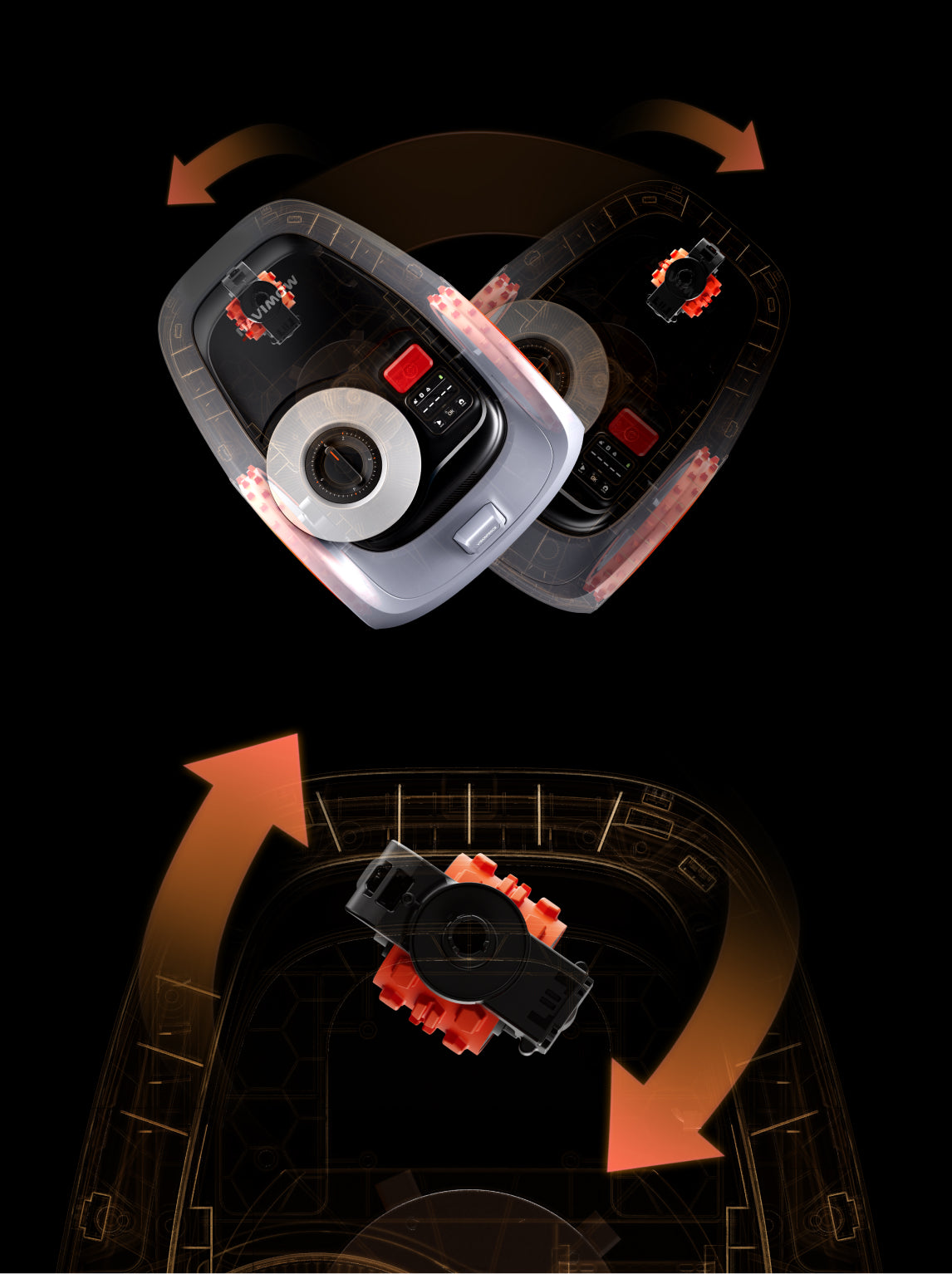
For large lawns, the ideal option is the Navimow X4 series. It's equipped with Xero-Turn™ AWD to conquer difficult terrains and mow steep slopes up to 84% (40⁰). It has dual 180W motors to cut thick, long, and dense grass without any hassle. Its dual disc system contains twelve 0.04-inch-thick blades to cleanly cut any type of grass. Not only does it mow the lawn, but it also mows the edges with incredible perfection.
It features AI-Powered 360° VisionFence™ and Animal Protection that detect animals and everyday obstacles with great precision. It even works at night and senses obstacles instantly for safe mowing. You only need to drop the mower on your lawn, and it automatically maps everything. It precisely navigates your massive lawn with NRTK, 360° Vision, and VIO (Visual Inertial Odometry).

Final Words
If you own a pet, you can't use every fertilizer on your lawn. Some fertilizers contain toxic elements that can seriously harm your pet's health and lead to severe health issues. For pet safety, choose a pet-safe fertilizer. It will make your lawn green without harming your pets.
We have explained what a pet-safe fertilizer is and what to look for while buying one. Now, you might have a clear idea of the types of pet-safe fertilizers and ingredients that you must avoid while choosing a fertilizer for your lawn. However, it's better to reduce fertilizer use as much as possible, and we have explained how to do so to save pets and money.