


Just that, if that pacifies you, you're not alone with a push mower that starts and then dies. It is very 'normal' for a gas mower to run into problems, and 'mower not starting' is just one of those common ones that show up without much warning.
Most of the time, it is the air (filters) or fuel-related stuff (stale fuel, clogged lines, blocked vents). Basically, these are factors that cause hindrance in the combustion process, halting the engine.
To make sure you are not guessing or chasing the wrong fix, we have put together this article that explains why a push mower starts then dies, and how you can fix it (or get it fixed) to get it running again.
1. Mower Fuel System Issues
When a push mower starts and then dies, fuel is the first place to look. The engine fires, but something interrupts fuel flow, so it cannot keep running.
Old or Stale Fuel
Fuel has a certain shelf life. It can go stale in 2 to 4 weeks. If a push mower sits around with unused fuel in the tank, it starts turning gummy and leaves residue behind.
This residue blocks fuel flow and does not burn properly, so the engine may start briefly and then shut off. This is common if the mower was filled with ethanol-blended fuel, which breaks down faster.
Here's how you can replace the stale fuel:
Step 1: Empty the fuel tank using a siphon or tip the mower into a fuel-safe container.
Step 2: Inspect the fuel filter and replace it if it looks dirty or clogged.
Step 3: Refill the tank with fresh gasoline (preferably ethanol-free) that meets your mower's fuel requirement.
Step 4: Start the mower and let it run for a few minutes to clear out any leftover residue.

Blocked Fuel Cap Vent
Do you know the mower has a small fuel vent built into the fuel cap, which allows air to enter the tank as fuel is used?
If that vent is blocked, air cannot get in. This creates a vacuum inside the tank and stops fuel from flowing to the engine. In that scenario, the mower may start, but it will stall shortly after.
Here's how you can fix a blocked fuel cap vent:
Step 1: Locate the vent. You will find it as a tiny hole on the side or underside of the fuel cap.
Step 2: With a small pin or needle, clear out any debris blocking the vent.
Step 3: Check the rubber gasket underneath. A cracked or worn gasket will not seal properly and needs to be replaced.
Step 4: Fit the fuel cap back on, and start the mower to see if it runs without stalling.

Clogged Fuel Line or Fuel Filter
Dirt, moisture, or old fuel residue inside the fuel line or fuel filter can restrict flow. In that case, the mower may start normally but die shortly after because the engine is not getting a steady supply of fuel.
Here's how you can clean the fuel line:
Step 1: The fuel line runs from the tank to the carburetor. Check it for cracks, leaks, or visible buildup.
Step 2: If your mower has a fuel filter, inspect it and replace it if it looks worn.
Step 3: Clear the fuel line by blowing compressed air through it, or maybe with a small flexible brush.
Stpe 4: If you notice moisture inside the line, drain the fuel completely before refilling with fresh gasoline.
Step 5: Reassemble everything and start the mower to see if it runs smoothly.
2. Air and Carburetion Problems
An air–fuel mixture is what creates combustion, so even if the fuel is clean, proper airflow is just as important. A clogged air filter can choke off air, throwing the mixture out of balance and causing the engine to stall.
Different air filters also have different service needs. Paper filters usually need cleaning after about 25 hours of use, foam filters wear out faster and need replacement around the same time, while dual-element filters typically require the foam pre-filter to be replaced after 25 hours and the paper cartridge after about 100 hours.

Sometimes the issue may be the carburetor, the component where air and fuel mix before entering the engine cylinder. If the carburetor is dirty, that mixture will not have the right air-to-fuel (A/F) ratio. When that happens, the engine may burn inefficiently, run rough, or shut off shortly after starting.
Here's how you can clean the carburetor:
Step 1: Turn off the engine and disconnect the spark plug wire.
Step 2: Remove the air filter housing to access the carburetor.
Step 3: Spray the carburetor cleaner into the carburetor throat and any visible jets, then let it sit for a few minutes to loosen buildup.
Step 4: Use compressed air, if available, to blow through the openings and clear debris.
Step 5: Reinstall the air filter housing and reconnect the spark plug wire.
Step 6: Start the mower. It may run rough for a short time as the cleaner burns off. If it still does not run properly, the carburetor may need a deeper cleaning or a rebuild.
For a thorough carburetor cleaning, check out How to clean lawn mower carburetor?

3. Faulty Ignition and Engine Components
A spark plug with a worn electrode or heavy carbon/oil deposits cannot ignite the fuel-air mixture efficiently. An eroded electrode requires much higher voltage to spark, making starting difficult.
Symptoms of a bad spark plug include hard starting, misfiring, or a rough-running engine. It is recommended to check or replace the spark plug once a season (or every ~25 hours of use)
You can fix the issue yourself by following these steps:
Step 1: Turn off the mower and disconnect the spark plug wire. Clean around the plug to keep dirt out of the cylinder. Use a spark plug socket to loosen and remove the old plug
Step 2: Check the old plug for damage. If the porcelain is cracked or the electrodes are worn away, discard it.
Step 3: You may clean light carbon deposits from a good plug with a wire brush or spray-on plug cleaner, but replace it if heavily fouled.
Step 4: Check the gap on the new spark plug with a feeler gauge. Most small engines need about a 0.030″ gap.
Step 5: Thread the new spark plug into the hole by hand (to avoid cross-threading) and then tighten it to snug. Reattach the spark plug wire.
Step 6: Pull the start rope; the mower should start more easily and run smoothly if the plug was the issue.

4. Clogged Mower Blades
Cutting very wet grass or letting grass clippings build up can cause grass to stick and harden around the blades and under the deck. This reduces cutting efficiency and throws extra load on the engine. When that buildup gets bad enough, the mower may struggle to stay running or may not start at all.
Here's what you need to do to fix the issue:
Step 1: Turn off the mower and disconnect the spark plug wire.
Step 2: For a push mower, tilt it to one side with the air filter and carburetor facing up so oil does not flood the engine. For a riding mower, lift or remove the deck as instructed in the manual.
Step 3: Use a stiff brush or a plastic putty knife to scrape off packed grass and debris from the blades and deck.
Step 4: Be careful of sharp edges and wear gloves while cleaning.
Step 5: Check the blade condition once it is clean. If the blades are dull, they will need to be sharpened or replaced before mowing again. Find out how to change mower blades in this article.

Get Rid of Push Mower Problems with a New Robotic Lawn Mower
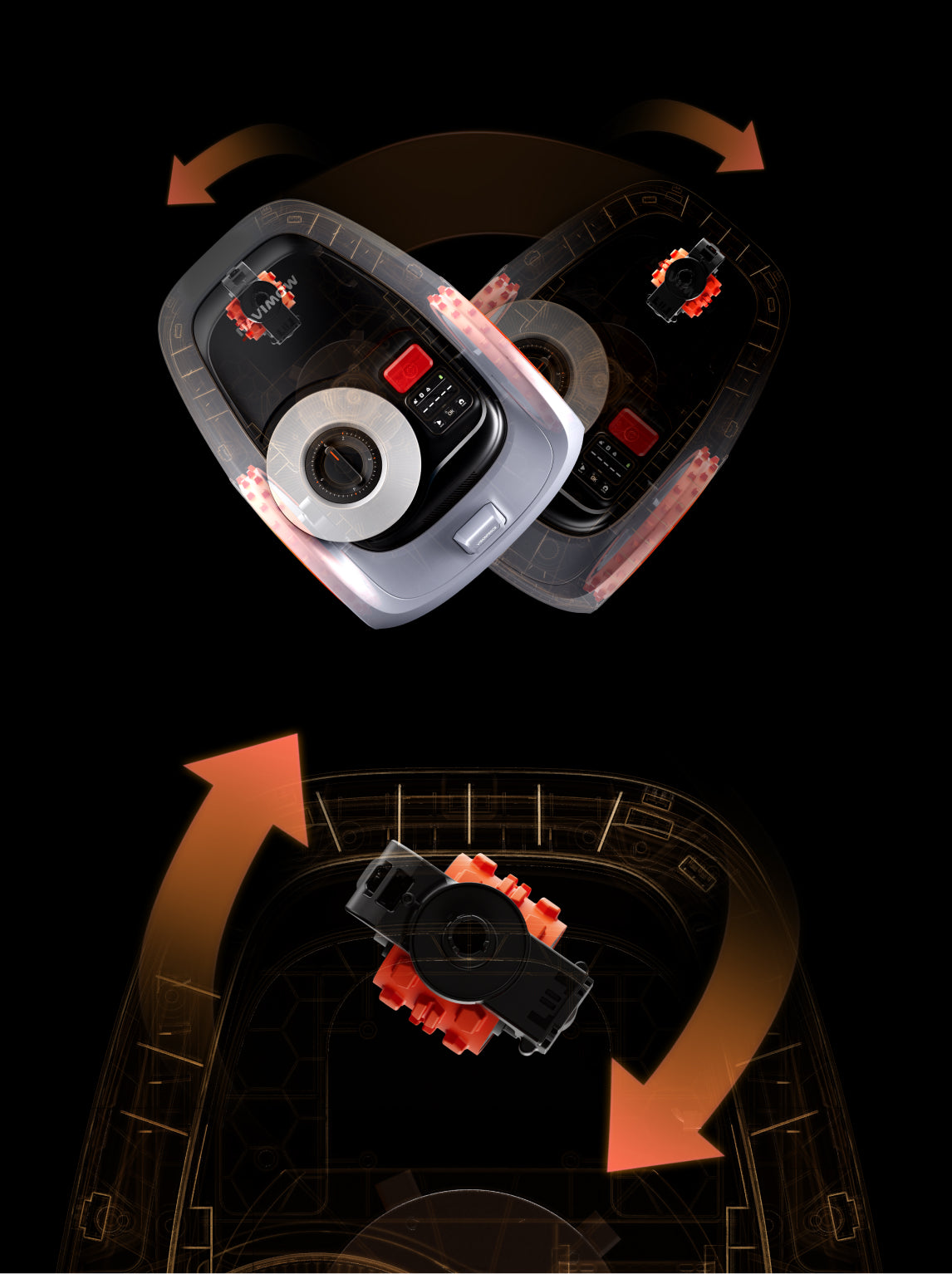
As we said earlier, push mowers are the kind of machines that keep asking for attention. If your patience is wearing thin and you have already dealt with gas mower issues, it may be time to think about switching to something that simply works. That is where robotic lawn mowers make sense.
Why robotic lawn mowers avoid these problems:
- No fuel, so no stale gas or clogged lines.
- No carburetor or spark plug to clean or replace.
- No pull starts or repeated restarts.
- No heavy pushing or dealing with wet grass stalls.
At Segway Navimow, we build those very robotic mowers that run autonomously and remove the usual mowing troubles. You can check out our robotic mowers collection, and maybe some of the features we offer might just push you to try one for yourself.

FAQs
Why does my lawn mower start runs for a few seconds then dies?
A lawnmower may be struggling with air, fuel, or engine-related issues. It may require carburetor or filter cleaning, spark plug replacement, or something could be stuck in the blades.
How to unclog a lawn mower carburetor?
We suggest using a carburetor cleaner spray directly into the carburetor opening and jets, then let it stay briefly to clear out loosened buildup. You may also use compressed air to remove loose debris.
How often should a push mower be serviced?
Filter cleaning is recommended after about 25 hours of use, while other basic servicing should be done at least once a year.
Which mower doesn't have stalling issues?
The electric mowers, especially the robotic lawn mowers, lack the traditional fuel, carburetor, and ignition components that cause stalling.




Share