Early spring exposes everything winter left behind. Homeowners face matted lawns, debris-packed beds, damaged branches, and worn-out surfaces. The yard feels overwhelming because too many problems show up at once, and it's hard to know where to start.
The easiest way to beat that early-season chaos is to follow an ordered routine. When you tackle the yard in stages - inspect, clear, prep, prune, and restore - everything falls into place, and the whole yard space starts responding almost immediately.
This spring yard cleanup guide lays out that routine in a practical format. We have explicitly mentioned timing cues and a logical path that helps you move from winter damage to a green yard.
What to Expect: Most homeowners spread this work across 2–3 weekends. Some steps (like pre-emergent application) are time-sensitive, so read through the full guide before you start.
Spring Yard Cleanup Checklist: Tools and Supplies
Before stepping outside, gather what you'll need. Having everything on hand prevents mid-task trips to the hardware store and keeps momentum going.
Essential tools:
- Leaf rake and dethatching rake
- Garden fork or plug aerator
- Pruning shears and loppers
- Spade or edging tool
- Garden gloves and knee pads
Supplies:
- Grass seed matched to your lawn type
- Slow-release spring fertilizer
- Pre-emergent herbicide
- Compost or aged compost mix
- Mulch (shredded bark or wood chips
1. Inspecting the Yard
Just as a good technician studies the site before making any moves, you need to slow down and read the yard. A short walk-through helps you see what winter changed. Note soft spots in the lawn, branches that snapped, beds that shifted, and any areas where water still pools.
Walk-through inspection
Take a slow, complete lap just to see how the yard settled over winter. Look for places where the turf feels compact and where plants have lifted out of the soil. Sometimes, downspouts and fence panels also don't survive the cold as we expect them to.
Pay special attention to winter damage
Winter's constant freeze-thaw routine is usually the culprit here, so don't be surprised if a few things look rough. As you move around, tag cracked limbs, browned shrubs, thin lawn patches, or mulch that has settled into a soggy layer.

2. Clearing Debris
The quickest way to regain control is to strip away the clutter winter left behind. Removing the obvious buildup instantly opens the yard and lets you see the true condition of the lawn and beds.
Remove leaves and dead growth
Shake off the heavy stuff because old leaves hide more problems than you'd expect. Drag out anything that looks brittle, and this small cleanup actually opens the soil so the new season can breathe again.

Don't skip the corners and shaded spots along fences. They collect the deepest accumulation and stay damp longest.
Clean beds and borders
Next comes the beds, and this step matters more than people think. Stray grass loves to creep in during winter, so clearing that out brings the shape back.
Remove dead annuals from last season that weren't pulled in autumn, and cut back anything that looks completely spent. Leave stems that show signs of life; they may have new growth emerging at the base.
Compost or dispose of waste
Sort the pile before calling it done. The healthy bits usually end up in the compost because they still have some value. If you find anything sketchy - moldy stems, stubborn weeds, woody scraps - keep separate so it doesn't sneak back into the yard later.

3. Prepping the Lawn for Spring
Spring pushes everything into fast growth. Warm soil, moisture, and comparatively longer days create the perfect window for recovery. To take full advantage of that momentum, the lawn needs to be prepared. Here's how:
Rake and dethatch
When the soil wakes up in spring, most of us jump straight into mowing. But we suggest dethatching first, because all that built-up thatch (the mess of dead grass, roots, and shoots) is silently choking growth. If that layer gets over about ¾″ thick, it blocks air and water from reaching the roots.

Aerate compact areas
Some spots just feel harder underfoot after winter, especially those that received heavy traffic, making lawn aeration necessary. To aerate the lawn, punch holes so roots can spread out and soak up nutrients and moisture. You may use a plug aerator for that purpose.

Overseed and fertilize
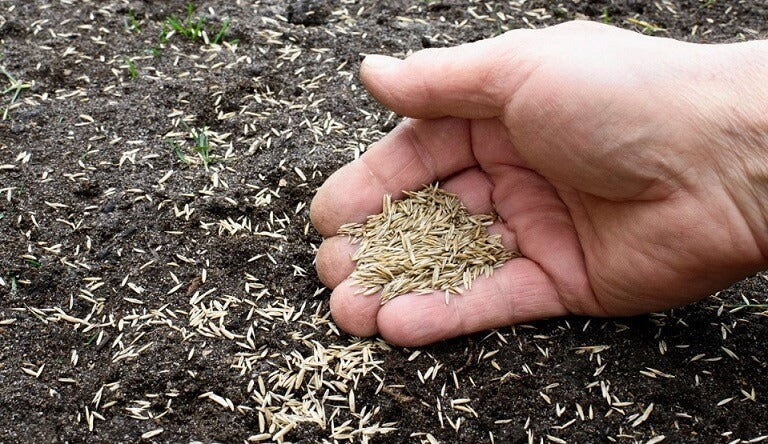
Once you have dethatched and aerated, look for thinner patches or places where the grass looks tired. That's where you need to spread seeds that fill gaps, i.e., overseeding.
Match seed variety to your existing lawn type as closely as possible for a uniform result. In most temperate climates, the window for spring overseeding is when soil temperatures consistently reach 50–65°F (10–18°C). A basic soil thermometer would help measure that temperature.

Do add a light fertilizer. The growth combo (overseeding and fertilization) gives fresh shoots a fighting chance, and the holes from aeration improve seed-to-soil contact, boosting germination.
Look for a slow-release fertiliser with a higher nitrogen ratio to drive leafy green growth. Avoid high-phosphorus formulas unless a soil test flags a deficiency.
Mowing and edging (if needed)
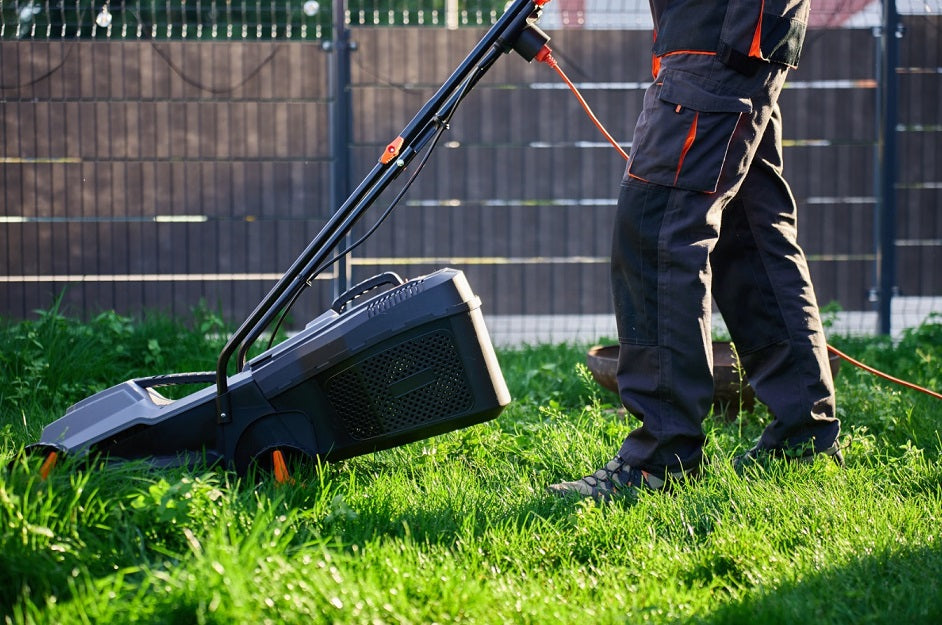
You should know when to start mowing lawn in spring. When the lawn is actually growing again and the soil is firm, get in the mower, possibly a robotic lawn mower.
You're not asked to chop everything down flat during mowing. Instead, try to remove no more than one-third of the blade. Check out the one-third rule for mowing.
4. Refreshing Garden Beds
When winter lifts and the soil starts to wake, garden beds hold the secret signs of what got through and what didn't. A cleanup will give emerging plants a fresh start.
Cut back old stems
Do you know those old stems left from last season restrict air flow and attract pests? Cutting these back opens the bed and gives perennials room to push new shoots. Review each plant, and remove anything that's brown/brittle.
Divide perennials
We have seen many perennials lose vigor as they crowd over time — fewer blooms, bare centres, flopped stems. Dividing them revitalises the plants and improves flowering by reducing competition. Pull, split, and replant when the soil is workable for best results.
Add compost and soil mix
Spring is considered the optimal season for refreshing soil. A light top-dressing of compost or a compost/soil mix primes the bed for new growth. Spread an inch or so of good compost, fork it lightly into the top layer, and then surface bed mulch once plants are in.
Further reading: When to fertilize your lawn in spring?

Plant new shrubs
Pick shrubs that are suited to your specific light and soil conditions. For a shrub plantation, dig a hole that's wide enough for spreading roots, and backfill with improved soil.
Precisely speaking, the hole needs to be twice as wide as the root ball but no deeper than the root ball itself. Planting too deeply is one of the most common mistakes and leads to slow establishment or root rot. Water deeply after planting and mulch the surrounding area to retain moisture.
Match your selection to your USDA hardiness zone for reliable winter survival.
5. Pruning Trees and Shrubs
Late winter and early spring expose the real shape of every plant. Since leaves are off, you can easily spot weak spots and crossing limbs, which makes pruning easier.
Remove dead or damaged wood:
First, remove cracked or dried-out branches. On-time cutting can help you reduce strain and stop disease from further settling into exposed tissue.

Shape spring-friendly plants
Some shrubs respond well to light shaping before they leaf out because thinning their congested sections improves airflow and allows sunlight to reach and promote inner growth.
Important distinction: shrubs that bloom on old wood (forsythia, lilac, most flowering cherries) should be pruned immediately after they finish flowering. Pruning them in early spring cuts off this season's blooms.
6. Controlling Weeds and Mulch
Spring is not the growth time for seeds, but weeds as well. They often beat everything else to waking up. If you wait too long, they claim space and create work you'll regret later.
Apply pre-emergents
Pre-emergents create a chemical barrier that stops weed seeds from sprouting, particularly annual troublemakers like crabgrass. Timing is everything here: apply them before soil temperatures hit roughly 50°F (about 10 °C) so the treatment works before seeds germinate.
Use only on established lawns or beds. Skip them if you're planning to seed this spring because they can also prevent both weed seeds and desirable seeds from growing.
Add fresh mulch when the soil warms
Mulch is a natural weed suppressor. When applied in spring, after you have cleared the area of existing weeds and once the soil is workable (and has had a chance to warm up).
Depth matters: below 2 inches, mulch won't effectively suppress weeds; above 4 inches, it can prevent water from reaching the soil and create conditions for rodents near plant bases. Keep mulch pulled slightly away from stems and tree trunks to prevent rot.
Organic mulch (like shredded bark or wood chips) also breaks down over time, adding nutrients and improving soil structure.

7. Cleaning Hardscapes
Aesthetics of the yard matter, and that includes the hardscape (patios and walkways) as well. When these surfaces look settled, the whole space feels intentional.
Clear and wash patios, walkways
Remove furniture, planters, and all types of other clutter that block the surface. Sweep away leaves and weed growth between stones. Wet the area and use a gentle brush or mild detergent. Don't use harsh chemicals or wire brushes, as they may damage surfaces.
For ingrained algae or moss, you may use a deck cleaner formulated for your surface type (natural stone, concrete, and composite all respond differently). A pressure washer can speed things up, but use the lowest effective setting to avoid blasting out joint material.
Repair heaved pavers
Winter may often leave pavers uneven or sinking. Pry up the affected pavers, level the base with sand or gravel, compact it, and reset the pavers. Then refill the joints to restore stability.
Sharpen bed edges
Edges between lawn and bed may lose definition over winter, causing grass to creep in. Use a spade to redefine the line, pull back turf invasion, and restore crisp edges.

8. Supporting Wildlife
Yes, plant growth matters, but the yard isn't just a collection of beds and lawns. It is a small ecosystem, and giving it some breathing room pays off later in the season.
Your slight delay in a bit of cleanup can help protect beneficial insects that overwinter in stems and shallow soil. Many native bees, ladybugs, and butterflies rely on that leftover material for shelter, so clearing everything too early wipes out the very helpers that keep pests under control.
Hold off on full cleanup in at least one area of the yard until temperatures have consistently stayed above 50°F (10°C). That's roughly when overwintering insects become active and safe from disturbance.
Choose organic inputs like compost to keep the soil biology alive and give plants what they need without disrupting pollinators.
9. Setting Up a Maintenance Plan
The cleanup was hard work, but the momentary shine only lasts if the yard gets regular attention. A smart maintenance plan ensures that the fresh look sticks instead of sliding back into chaos.
Weekly mowing schedule
Stick to a steady rhythm: mowing once a week is a good practice during active growth.
Experts recommend never removing more than one-third of the grass blade at a time to prevent stress. Some say that weekly or fortnightly mowing between spring and autumn keeps lawns healthy and dense.
For hassle-free mowing, you can opt for a robotic lawn mower. All you need to do is set a schedule and a cutting height, and it will automatically mow your lawn with great precision. You don't need to put in any effort or time. Your lawn will be maintained automatically and look aesthetically pleasing every time.

Watering and fertilising plan
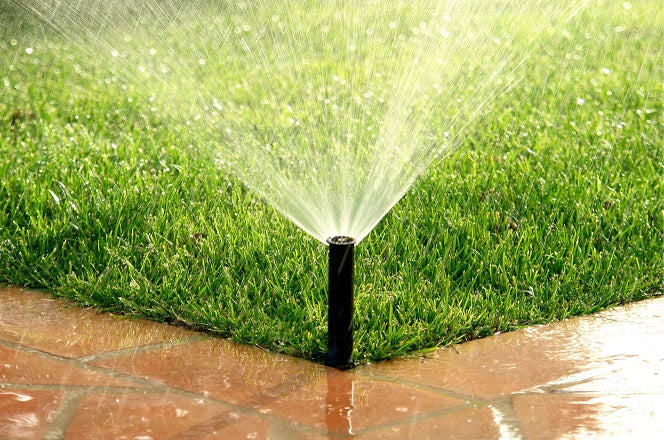
Deep, less-frequent watering builds a stronger root system. For lawns, aim for about 1 to 1.5 inches of water per week. The frequency of watering and exact amount depend upon the season and the type of grass installed. And morning is the best time to water grass.
Conclusion
We get it, yard cleanup is a tough job, but it's necessary to get the yard ready for the spring. You must get rid of winter leftovers, such as damaged branches, debris, weeds, etc. This guide will help you clean your yard step-by-step without leaving a mess. Once your yard is cleaned, you are set up to make it lush, green, and attractive again.
FAQs
When should I start spring yard cleanup?
You can start as soon as the ground has fully thawed and is no longer soggy underfoot. In most temperate zones, this is mid-March to mid-April, but soil condition is a more reliable guide than the calendar.
What order should I do spring yard work in?
The most efficient order is: inspect → clear debris → dethatch and aerate → refresh beds → prune trees and shrubs → apply pre-emergents and mulch → clean hardscapes.
Is it too late to apply pre-emergent in spring?
Pre-emergents stop working once soil temperatures pass roughly 55°F (13°C) and annual weed seeds have already germinated. If you've missed the window, it’s never too late to use it in the spring.