


Planning a new lawn? Thinking about which grass to plant? You might already be weighing up Bermuda and St. Augustine, two of the most common warm-season grasses grown across the southern states.
Well, Bermuda and St. Augustine grasses are both great options, and we cannot suggest one over the other. It all depends on your circumstances and requirements. Do you want a lawn that can handle kids running around? How much sunlight does your yard receive? Do you want to mow often or keep maintenance as light as possible?
In this Bermuda Grass vs. St. Augustine Grass guide, we answer all such questions, comparing characteristics of grass types, their growth habits, climate preferences, maintenance needs, and overall tolerances - based on different personal experiences of homeowners.
Overview of Bermuda Grass
Bermuda grass (scientific name: Cynodon dactylon) is a perennial grass in the Poaceae family that thrives in warm-season climates. Despite the common name, the species is not actually native to Bermuda. It likely originated around the Indian Ocean basin, and spread across parts of Africa and Asia, and has since been widely planted in warm regions around the world.

Bermuda grass is built for heat and sun. It grows most actively when temperatures are above about 24°C and goes dormant in cooler weather. It spreads quickly through above-ground runners (stolons) and below-ground stems (rhizomes), forming a dense turf that recovers from wear far faster than many other grasses.
Considering its resistive nature, Bermuda grass is commonly used for high-traffic lawns, sports fields, and golf course fairways.
Overview of St Augustine Grass
St Augustine grass (Stenotaphrum secundatum ) got its common name from St. Augustine, Florida, where it became popular as a lawn grass in the early 1900s. It also belongs to the Poaceae family, the same large grass family that includes most lawn and turf species.
You may also hear it called buffalo turf in Australia or Charleston grass in parts of the United States. It forms a thick, carpet-like surface of medium to dark green color that crowds out many weeds when established.

One of the best traits of St Augustine grass is its tolerance for partial shade compared with other warm-season lawns. It is the best grass for shade in warm regions. It will do well with fewer than six hours of direct sun per day if soil and moisture are managed properly.
St Augustine thrives in warm, humid environments and soils that retain moisture, which is why you see it in coastal and subtropical regions from the Gulf Coast of the U.S. (down through Central America) and parts of Australia.
Differences between Bermuda and St. Augustine Grass
So, we’ve already covered the basics in the overview. In this section, we’ll compare both grasses side-by-side, so you get a clearer picture of how they differ in multiple aspects.
|
Feature |
Bermuda Grass |
St. Augustine Grass |
|
Blade Type |
Narrow (≈1–2 mm) |
Thick (≈8–9 mm) |
|
Growth Spread |
Stolons + rhizomes (above & below ground) |
Stolons only (above ground) |
|
Types (Varieties) |
Yukon, Tifway 419, Celebration |
Floratam, Palmetto, Seville, Sapphire |
|
Best Climate |
Hot, sunny, dry; USDA 7–10 |
Warm, humid, coastal & subtropical |
|
Sunlight Needs |
Full sun (6–8+ hrs) |
Handles partial shade better |
|
Drought Tolerance |
High |
Moderate |
|
Wear Recovery |
Fast recovery, high durability |
Slower recovery from damage |
|
Mowing Frequency |
1–2× per week |
1× per week |
Grass Blades (Identification)
Bermuda grass has fine, narrow blades, typically around 1–2 mm wide. It forms a low yet dense turf and spreads using both stolons above the soil and rhizomes below it, which is why it fills in quickly and recovers fast from wear.
Whereas St. Augustine has much broader, thicker leaf blades, often around 8–9 mm wide, and a visibly chunkier stem structure. It spreads only through stolons, so all the runners sit above the soil surface. It also naturally grows taller than Bermuda and is maintained at a higher mowing height.

Types
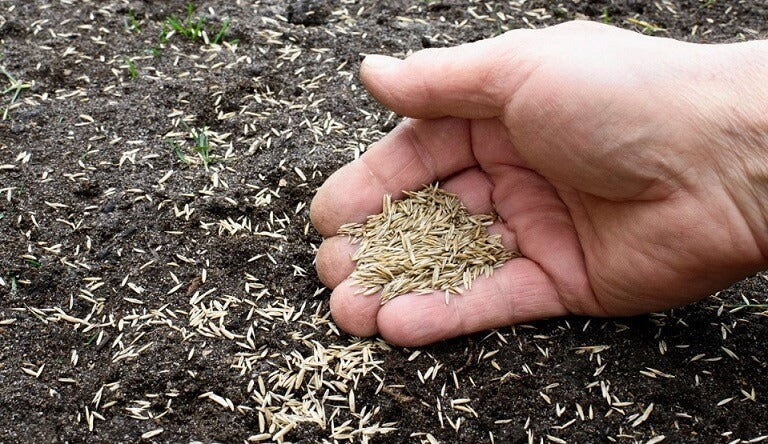
Bermuda grass includes a range of seeded and hybrid varieties used for turf, sports fields, and lawns. Hybrid ones, like Cynodon dactylon × transvaalensis, have a finer texture with improved wear tolerance. Bermuda can also be established from seed, plugs, or sod, which gives it installation flexibility.
St. Augustine grass has several cultivars, each for specific traits. Some are developed for improved shade tolerance, dwarf growth habit, or pest resistance (e.g., Palmetto, Floratam, Sapphire). Most St. Augustine lawns are installed via sod or plugs because viable seed has only recently become commercially available.
Suitable Climate
As mentioned at the start, both grasses are warm-season species that prefer heat and slow down or go dormant in cooler weather. Bermuda thrives in full sun and high temperatures, tolerates drought and saline soils, and performs well in USDA zones 7–10.
St. Augustine prefers humid climates and copes better with partial shade compared to Bermuda, which is why it is common along the Gulf Coast and other coastal regions.
Ideal Growth Requirements
Grasses flourish when they get proper sunlight, soil, and water. They both require all of these, however, with slight variations:
Sunlight: Bermuda performs best with six to eight hours of direct sun per day. St. Augustine can maintain reasonable coverage in partial shade where Bermuda thins out.
Soil: Bermuda adapts well across soil types and prefers good drainage. St. Augustine also tolerates a wide pH range but is sensitive to poorly drained, water-logged soil.
Water: Bermuda has stronger drought tolerance and can bounce back well after dry spells. St. Augustine requires consistent watering and exhibits stress sooner in hot or dry conditions.

Shade Tolerance
St. Augustine is proven to work better in shade than Bermuda. It can maintain acceptable coverage in partial shade, even under trees or beside buildings. But Bermuda thins out quickly as light levels drop.
Bermuda grass lawns require full sun for best results and struggle in areas that receive only a few hours of light per day. Homeowners have reported that shaded Bermuda patches either decline or die off, while St. Augustine keeps growing, even if not perfectly.
Pest Tolerance
Both grasses can be affected by pests, but their vulnerabilities differ. Bermuda grass is more resilient overall and can recover quickly from insect or disease damage due to its aggressive growth.
However, St. Augustine is more prone to certain problems, such as chinch bugs and fungal diseases. Probably, pests can spread more easily through its dense, taller canopy.
Some of the homeowners we talked to reported that St. Augustine owners have recurring disease or insect issues if conditions are humid or poorly drained. And in their experience, Bermuda recovered quickly from such damages.
Maintenance Requirements
Bermuda grass grows aggressively in warm weather and is usually kept short. That means more frequent mowing. In many homes, Bermuda needs mowing about once or twice a week during the growing season, and even more often if you maintain it at very low heights.
St. Augustine is maintained at a taller mowing height. Because it grows more slowly, it usually needs mowing about once a week, sometimes less, but the higher cut means clippings and thatch can build up if growth becomes dense. You need to do lawn dethatching more often.

Bermuda and St. Augustine Grass: Which One Should You Choose?
The differences should be pretty clear by now, right? Now it really comes down to choice, and that depends on what you need from your lawn. To make it simpler, we can break down the most practical use-cases for each grass so that you’re choosing based on conditions, not guesses.
You’d normally choose Bermuda grass if you:
- Have an open lawn that receives full sun
- Plan to actually use the yard (with kids and pets)
- Live in a hot, dry, or coastal climate
- Want a plain, neat, low-cut look.
Most common uses: sunny home lawns, sports fields, parks, and active outdoor spaces.
You’d normally choose St. Augustine grass if:
- Your yard isn’t full sun all day
- You prefer a thicker, taller carpet
- Aesthetic lawn with relatively low foot traffic.
Common uses: shaded residential lawns, coastal homes.
We have also seen instances where homeowners combine the two. For example, St. Augustine grows around shaded borders and tree lines where it stays thick and protects bare spots, and Bermuda in the sunny center of the yard, where it thrives and handles wear.
The Right Grass Still Needs the Right Care
Whatever grass type you choose, it will still need regular upkeep (mowing) to stay healthy, probably more if it’s St. Augustine. And you would agree, it’s one of the most challenging parts of lawn care.
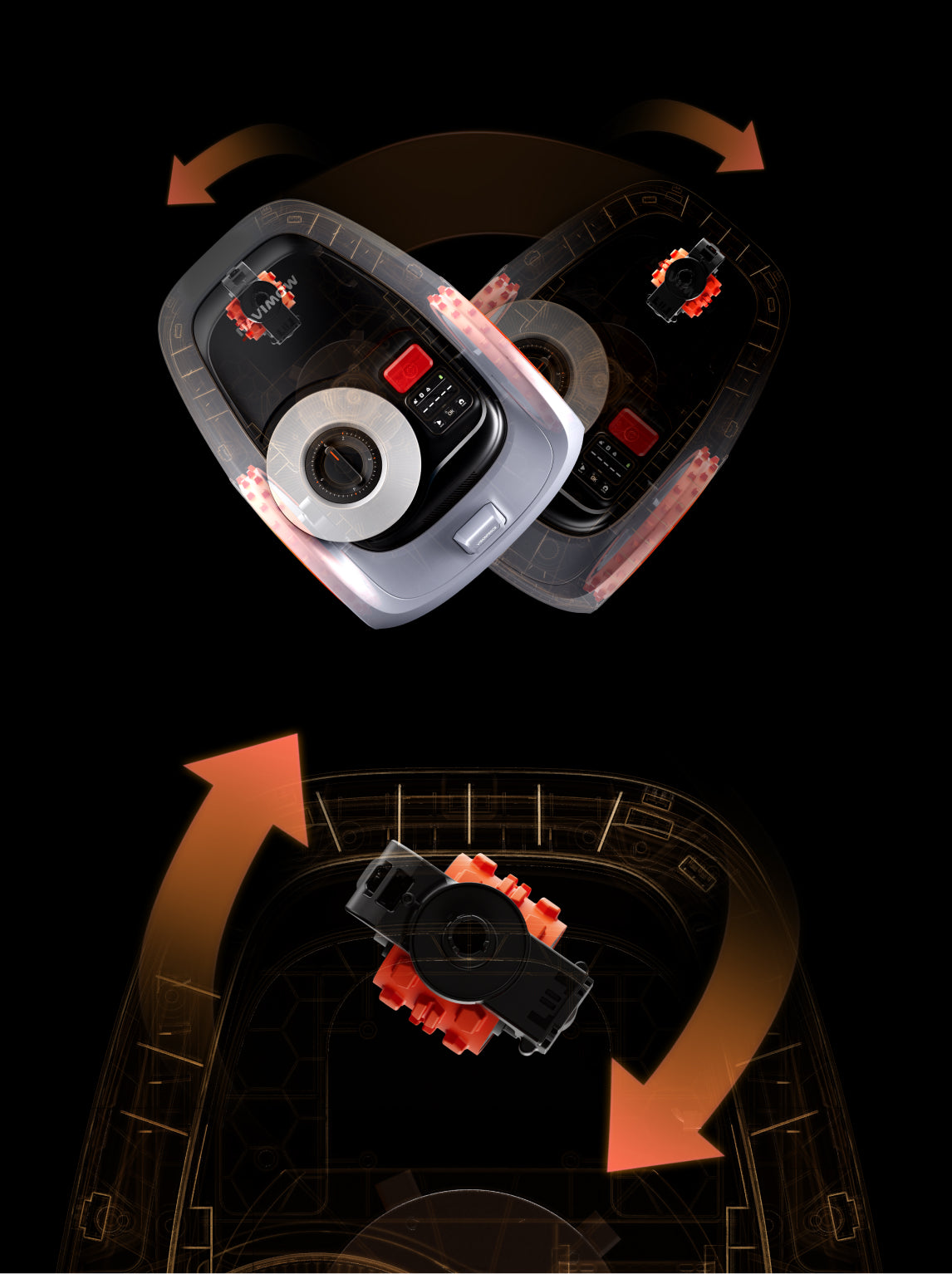
At Segway Navimow, we build robotic lawn mowers that take the routine mowing work off your hands. Set it up once, and it quietly handles the mowing on its own, returns to its charging base when needed, and keeps your lawn consistently trimmed. So instead of pushing a mower every week, you can simply enjoy the yard you worked so hard to choose.
Check out our robotic mower collection and pick the one that fits your lawn size and layout!

Share