


Lawn owners, especially the beginner, ask if their lawn mower can get wet.
They actually need to know the damage water can cause, how much water contact is safe, and what to do if their mower gets wet accidentally.
We'll answer all these questions and clear your doubts in this guide. We will explain in terms of different types of mowers. Whether you own a gas, electric, or robotic lawn mower, this guide will help you know what water can do to your mower and how you can prevent any damage.
Why Should You Save Your Lawnmower from Water?
It's always preferred to save your lawnmower from water. Because it involves several risks. The water could start rusting/corroding and cause a short circuit.
When the lawnmower's body comes into contact with water, it increases the risk of rusting. Even if the lawnmower has a protective coating, with frequent contact with water, it gets damaged over time.
The metal body, blade, carburetor, engine components, and other accessories start to rust, and in the worst case, it could create holes in the body, block the lines, affect the lawnmower's structure badly, etc.
Due to rusting, your lawnmower can't perform well. It creates friction and causes the components to seize up. It demands cleaning, maintenance, and replacements, especially its moving parts.
And when the electrical/electronic components come into contact with water, there is a risk of a short circuit. It leads to electronic component failure, battery damage, motor winding short out, etc.
Thus, water is dangerous for your lawnmower.
Can a Gas Mower Get Wet?
Gas mowers are vulnerable to water. It definitely causes external damage to the mower's body, but the internal damage is more problematic.
Ignition Failure
In gas mowers, contact with water often leads to ignition failure. The engine will not start until you get rid of the moisture. It can make the spark plug, ignition coil, and wires wet, and all these make starting the lawnmower difficult.
If there is moisture around the spark plug, the lawnmower will not start. No matter how many times you pull the cord, the spark won't ignite the fuel. It's because the moisture will provide the least resistant path and prevent the spark from reaching the combustion chamber.

Air Filter Contamination
Water can contaminate the air filter and lead to choking of the lawnmower.
For fuel combustion, an air and fuel mixture is necessary. The air filter in the lawnmower is responsible for providing a clean airflow. It blocks the dust and other contaminants in the air from reaching the internal components.
But when it's soaked in water, the airflow is restricted. In this case, the engine doesn't start, and even if it starts, it stalls.
Secondly, due to a wet air filter, the water and debris enter the carburetor. It can damage the tiny fuel/air jets and other components.

Carburetor Damage
Water can seriously damage your lawnmower if it comes into contact with the fuel.
If the fuel is contaminated with water, it's better to clean the fuel tank, lines, and carburetor immediately. Learn how to clean lawn mower carburetor. The water in these critical areas can cause rusting if left for a long time.
It could damage the components, block the tiny air/fuel passages, and rust all internal components. You might need a thorough cleaning and replacement of certain parts.
If you run with water contamination in the fuel, your lawnmower will keep dying after sputtering. It won't work properly and might not start after a few attempts.

Engine Issues and Failure
If water gets mixed with the engine oil, it could enter the engine components. It affects the lubrication performance of the oil and causes overheating, wear & tear, and even rusting in components if left for a long time.
Keep in mind that it could cause hydrolock. It bends the connecting rod of the piston while compressing an incompressible fluid (water). The serious damage requires expensive repair or replacement of the mower.
If you try to start the engine with contaminated oil, your lawnmower could start smoking. You will notice white smoke, which could lead to significant damage.

Can an Electric Mower Get Wet?
An electric mower also suffers from serious damage when it comes in contact with water. Here's what can happen.
Battery Damage
If it's a battery-powered lawnmower, the water contact can damage the terminals and battery management system (BMS).
Once the water is inside the battery compartment, it can easily enter the battery pack's plastic coating. The moisture will trap inside and corrode the terminals, leading to resistance in the current flow and disconnection.
If the BMS is damaged, the battery won't be able to charge, and your lawnmower will not work. Replacing the BMS is costly, and the same goes with the battery pack.
Short Circuits
In electric mowers, if the water reaches any wiring or battery component, it could cause an instant short circuit. It can damage switches, circuits, wires, charging circuits, control circuits, components, etc.
Due to a short circuit, your lawnmower could suffer from serious damage. It might not start again. Even a brief contact of electronic components with water leads to permanent damage to the boards. And mostly, you can't get them repaired; you need to replace them, which is quite costly.
Motor Failure
The motor has an insulated winding in its housing. When the water enters the motor, the insulation is compromised.
It could cause a short between windings. In the worst case, the winding will short out, and you will have to replace the motor.

Risk of Electric Shock
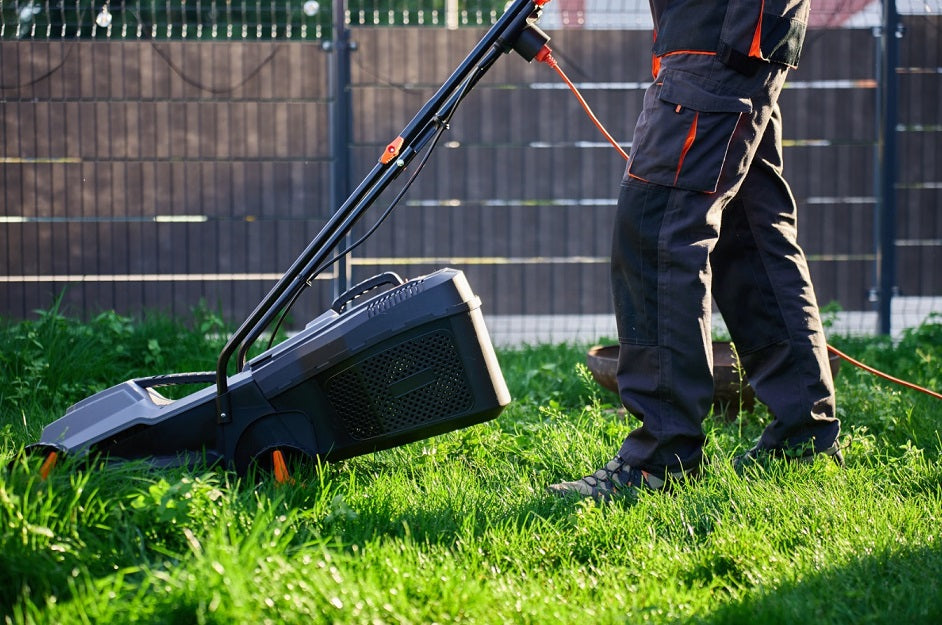
There is also a risk of electric shock if you are using a corded electric mower. It uses a live connection from a wall AC outlet, which is why it's extremely dangerous.
If there is any short-circuit, component failure, or wet plug, there is a risk of an electric shock. Often, due to water ingress, the metal body parts conduct electricity. A path is created between the wire and the human body, and this can even lead to fatality.
Can a Robotic Lawnmower Get Wet?
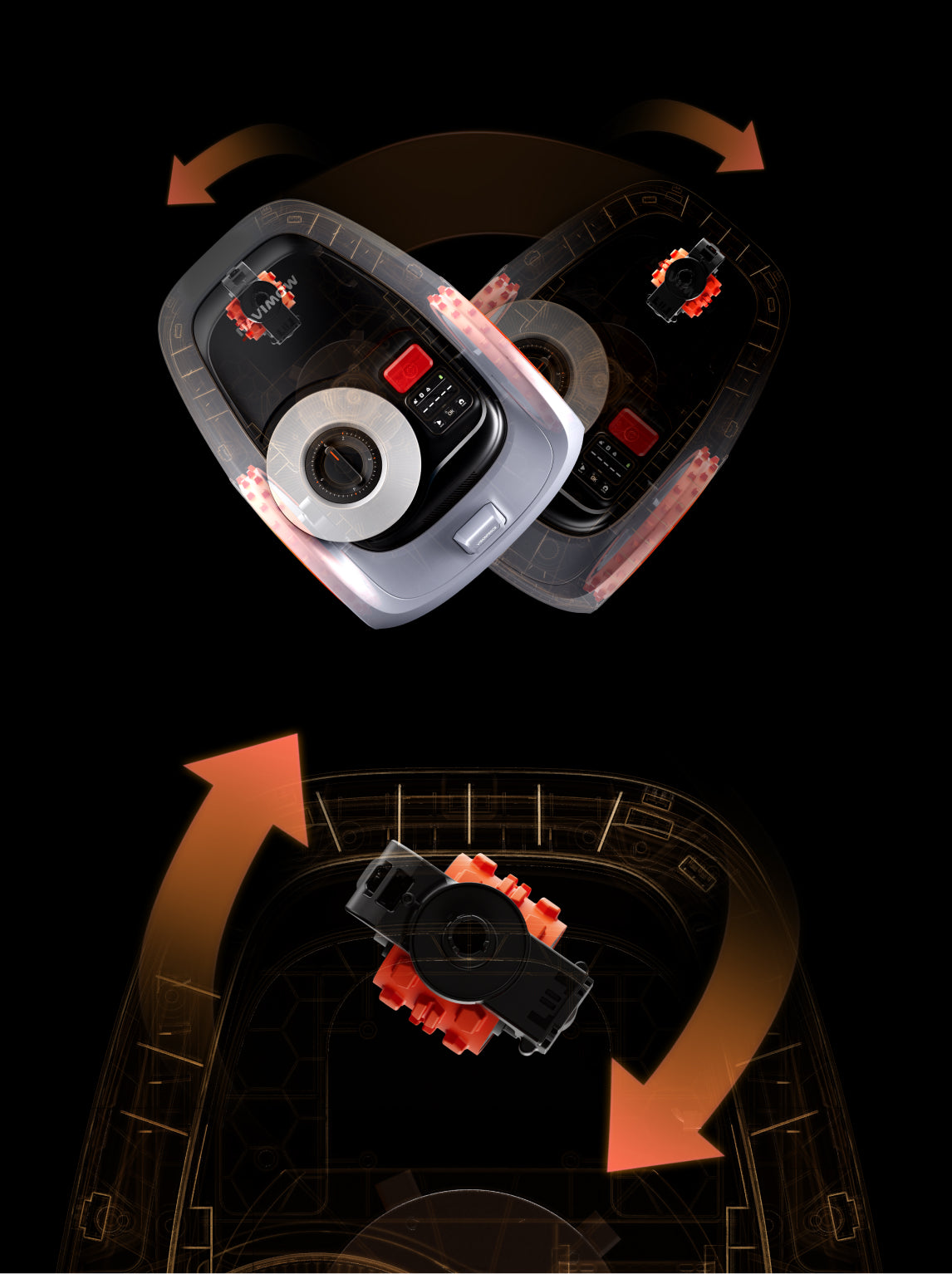
Robotic lawn mowers are mostly weatherproof and waterproof. It restricts water from getting into the body, which eventually safeguards the internal components, including the battery pack, sensitive electronic boards, etc.
They are also IP-rated and designed to bear exposure to rain, sprinkler spray, wet grass, and similar contact with water. But keep in mind, they are not submersible. They resist water to a great extent, better than gas and normal electric mowers, but still, you can't submerge them or put them under high water pressure.
Robotic lawnmowers are excellent if you are worried about the mower getting wet. Its water protection is superior.
For instance, the Navimow i110 is IP66 waterproof and dustproof. This means it can prevent water and solid particles from getting into the mower. It offers protection against water splashes and jets. Thus, it is also easy to clean and maintain. Just grab your lawn hose and spray water at the deck to get rid of grass clippings and clean the blades.

What If the Lawnmower Gets Wet?
If your lawnmower got wet, here's what you can do.
Prevent the Damage
The first thing you need to do is prevent the damage.
If it's a gas mower, disconnect the spark plug wire immediately. It will prevent accidental start and allow you to clean the mower. It reduces the risk of ignition system failure and saves the engine from damage.

In the case of battery-powered electric mowers, remove the battery pack. Wipe the exterior using a cloth or paper towel. It will prevent water from getting into the seal and battery management system.
If you have a corded mower, unplug it from the outlet. Do not touch if the plug is also wet. It's better to switch off the breaker and then remove the plug.
Dry Your Mower
After cleaning the exterior, it's time to let your mower dry. You should wait for 24 to 48 hours before attempting to restart it.
Keep in mind that it should be air-dried. Place the mower in a dry and warm area and let it sit. Do not put the mower under direct sunlight.
Check for Damages
Before starting your mower, you should check for the damage the water has caused.
In the case of a gas mower, check the fuel tank. If there is water, drain the fuel and clean the carburetor. It's best to prevent rusting in the future.
Secondly, pull the dip stick from the mower. Observe the oil. If it appears milky, foamy, or cloudy, it means it has been contaminated with water. Drain the oil and replace it with fresh oil. Never start the engine when there is water in the oil reservoir.

Look at the air filter of the mower. Make sure the filter is not wet. If it is, it's better to replace it.
If you have an electric mower, check the terminals or metal contacts. Look at the battery and charging contacts. There should be no moisture, as it can lead to corrosion.
If everything is perfect, you can try starting the mower. But if you are unsure, call a professional for an inspection.
Final Words
Water is lethal for your lawnmower, and at every cost, you should protect it. If you own a gas or electric mower, you should be extra careful. Water can damage the internal components through rusting and cause short circuits. And if that happens, you need to bear the cost of repair and replacement. In some cases, it's better to buy a new mower.
Robotic mowers, on the other hand, have some protection against water. They can bear water splashes and jets if IP66 rated or above. Thus, while choosing a robotic mower, make sure to check the IP rating. Try to protect your mower from water as much as you can. And if it gets wet, follow the steps we have discussed to prevent damage.
FAQs
Can a lawn mower stay outside in the rain?
No matter what kind of lawnmower you have, you can't leave it outside in the rain. Some lawnmowers are weatherproof and can bear some rain, but to some extent. Do not take the risk of irreversible damage and store your mower properly.
Are lawnmower engines waterproof?
No, lawnmower engines are not waterproof. Water can get into it through the fuel tank, air filter, and oil compartment. They can bear light rain and morning dew but not heavy rain and immersion in water. Prevent water contact as much as possible.
Is an engine ruined if it gets water in it?
Water can ruin the engine. It can cause corrosion in the internal components. If it's mixed with oil, it will reduce the lubrication and cause overheating and bearing seizure. It can also lead to hydrolock, in which the connecting rod bends when it tries to compress water.




Share